
Most People Don’t Actually Have Sciatica
When someone walks into our office at Ptak Family Chiropractic and says, “I have sciatica,” my first thought isn’t about their leg.
It’s whether they actually have sciatica at all.
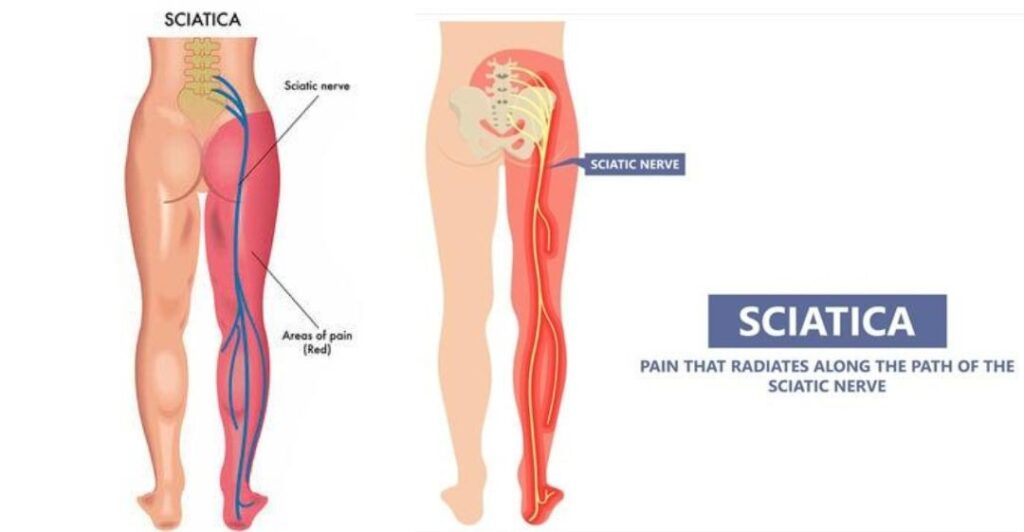
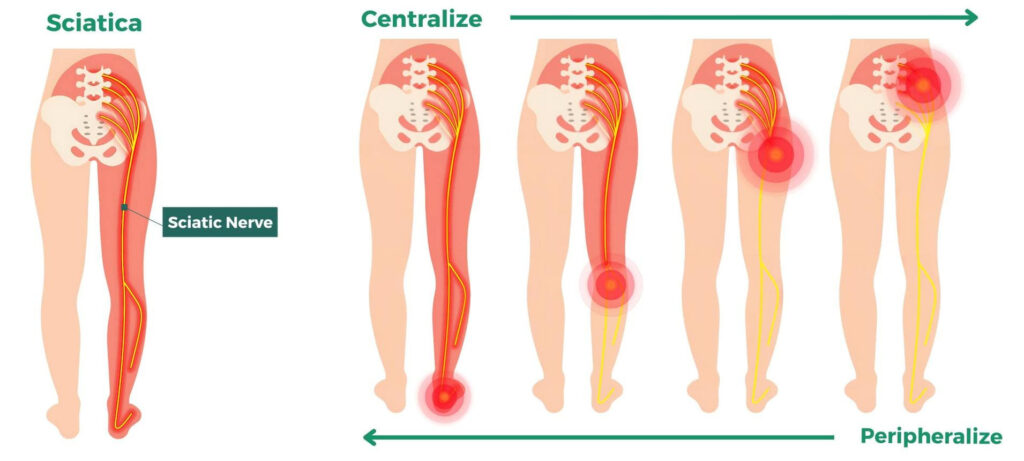
The term gets used so often that it has become a catch-all for any pain that travels down the leg. But true sciatica has a very specific pattern. It follows the path of the sciatic nerve and typically travels all the way down the leg, often into the foot.
If your pain stops at the knee, there’s a strong chance you’re dealing with something else entirely.
Conditions like SI joint dysfunction, piriformis syndrome, or general low back instability can all create leg pain that feels intense and convincing. But they are not the same thing, and that distinction matters.
Because how you approach care depends entirely on what is actually happening in your body.
The Damage You Don’t See Coming
Most people believe their sciatica started with a single moment.
A heavy lift. A twist. Getting out of the car the wrong way.
That moment may have been when the pain showed up. But it is almost never when the problem actually began.
What you are feeling is usually the result of accumulated stress over time.
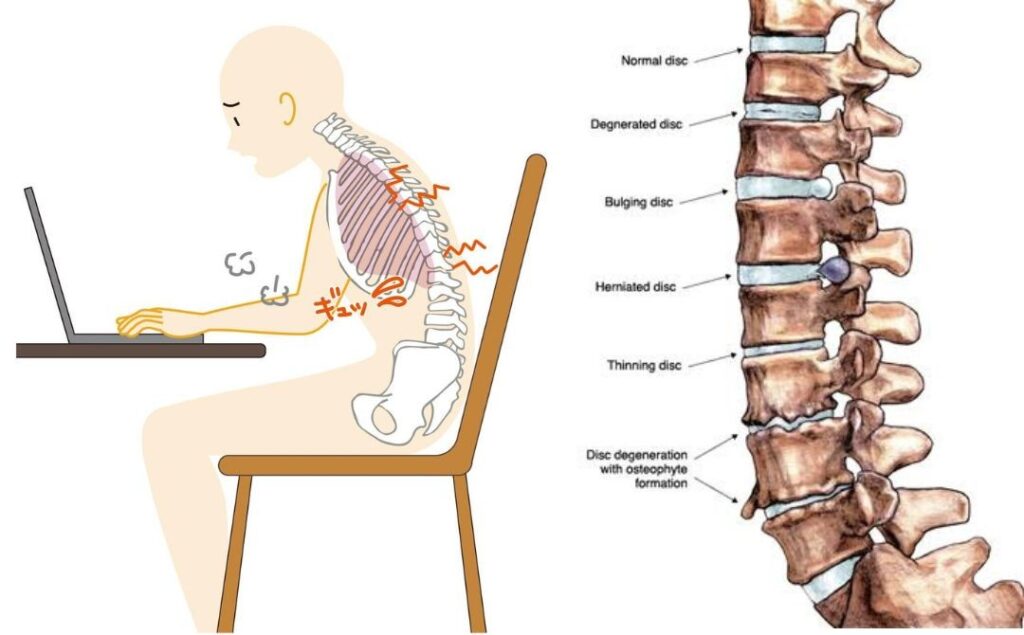
Years of sitting. Poor posture. Repetitive movement. Lack of proper spinal motion. Gradual disc changes. Subtle shifts in alignment.
Your body adapts to all of it quietly, until it can’t anymore.
When true sciatica develops, it is typically because something in the lower spine is creating pressure or irritation on the nerve roots that form the sciatic nerve.
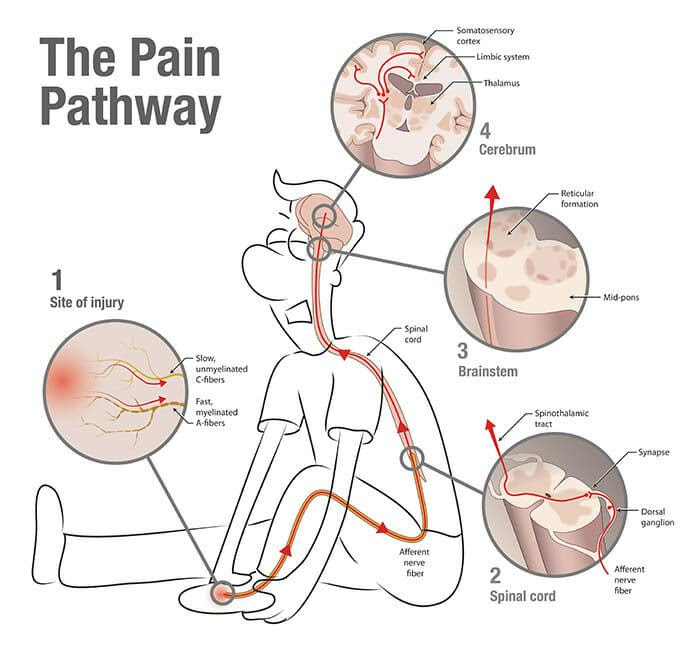
This is the largest nerve in the body. When it becomes irritated, the symptoms can be sharp, burning, electric, and relentless.
And by the time you feel it, the process has usually been building for years.
Why Your Back Hurting Is Actually Good News
This is where many people get confused.
You start care. The pain in your leg begins to improve. But then your lower back starts to hurt.
It feels like things are getting worse.
They’re not.
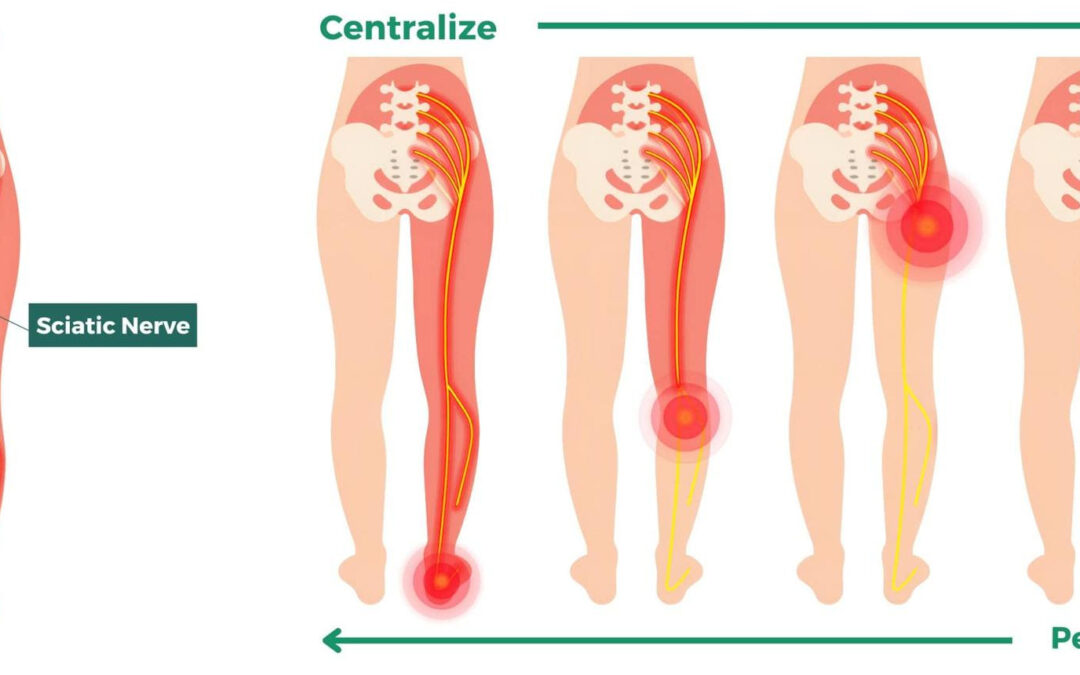
This is a process called Centralization of Pain.
As pressure on the nerve decreases and your body begins to function more normally, the pain often “moves” back toward its source in the spine.
In other words, it retreats from the leg and returns to the lower back.
This is exactly what we want to see.
In fact, people who experience this shift tend to have better long-term outcomes because the problem is resolving at its origin rather than continuing to express itself further down the nerve.
The farther down the leg the pain travels initially, the more irritated the system tends to be.
When that pain begins to move upward, it is a sign your body is changing direction in a positive way.
This is why understanding the process matters. Without that understanding, it is easy to misinterpret progress as a setback.
The Timeline Nobody Wants to Hear:
Healing does not happen overnight.
If the problem has been building for years, it will take time to unwind.
With consistent chiropractic care, many people begin to notice meaningful changes within four to six weeks. Pain may reduce. Movement improves. Daily activities become easier.
But stabilizing those changes takes longer.
Your spine needs time to relearn how to move well. Muscles need to rebalance. Patterns that have been reinforced for years need to be retrained.
True correction is a process, not an event.
While many cases of sciatic-type pain may calm down on their own within several weeks, that does not mean the underlying issue has been resolved. Without addressing the cause, recurrence is common.
The goal is not just relief.
The goal is resilience.
What You Actually Need To Do:

Recovery happens in phases, and each phase matters.
In the beginning, the focus is on calming things down. That means avoiding prolonged sitting, moving in short and frequent intervals, and using ice or heat to manage discomfort.
As things improve, movement becomes more intentional.
Simple, specific exercises can help restore proper motion and reduce nerve irritation. In many cases, extension-based movements like those used in the McKenzie approach can be helpful when applied at the right time.
Timing is everything.
Too much too soon can aggravate the condition. Too little for too long can slow recovery.
Throughout the process, small changes make a big difference.
Stand more. Sit less. Walk frequently. Move with awareness.
In our office, we often combine chiropractic care with supportive therapies that help reduce inflammation and promote tissue recovery.
But the foundation remains consistent.
Restore motion. Reduce pressure. Rebuild stability.
That is how the body regains its ability to function.
When You Need Medical Attention Instead
Not all cases should be managed conservatively.
There are certain symptoms that require immediate medical evaluation.
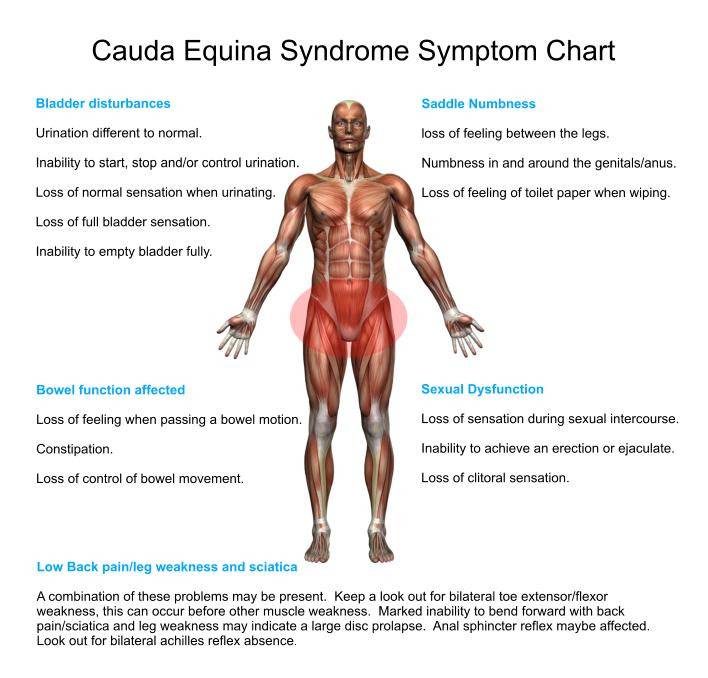
Loss of bowel or bladder control.
Numbness in the inner thighs or saddle region.
Rapid or severe neurological changes.
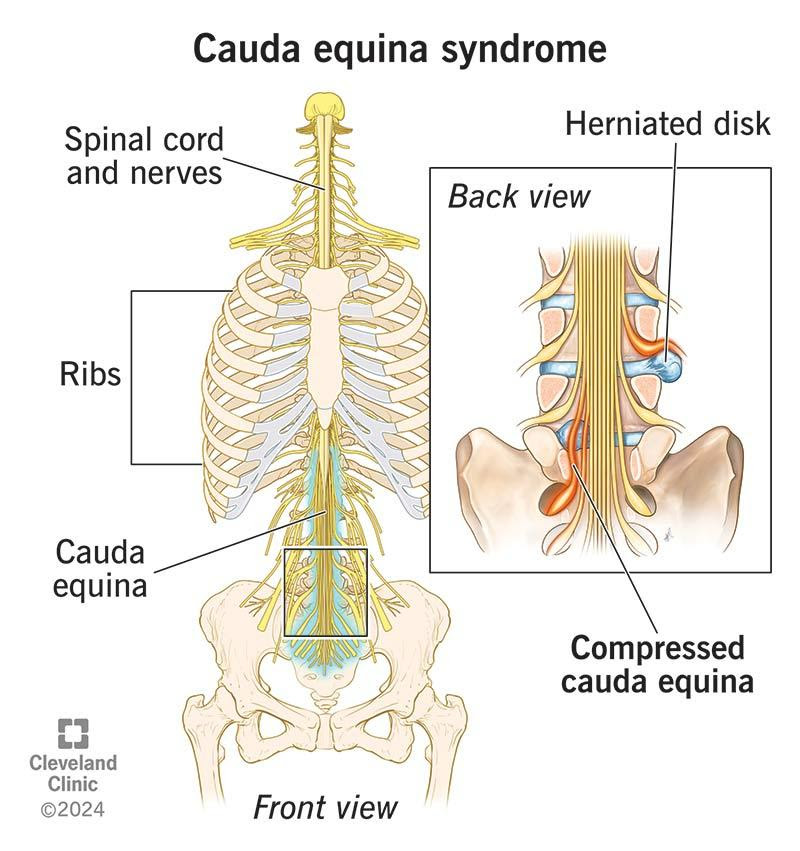
These may indicate a condition called cauda equina syndrome, which is a medical emergency.
If any of these are present, care should be sought immediately.
Why Waiting Makes Everything Harder
The most important thing to understand is this.
Time matters.
The longer you wait, the more your body adapts in the wrong direction.
Compensation patterns deepen. Inflammation builds. Movement becomes more restricted.
What could have been a relatively simple process becomes more complex.
We see it every day.
People wait, hoping it will go away. And sometimes it does, temporarily. But without addressing the underlying cause, it often returns.
And when it does, it tends to be worse.
Your body is incredibly adaptable. But it needs the right input at the right time.
Early intervention changes the trajectory.
Take the First Step Toward Lasting Relief.
If you are experiencing leg pain, do not assume you know what it is.
Find out.
At Ptak Family Chiropractic, we focus on identifying the true source of the problem and creating a plan that supports your body’s ability to heal, move, and function at a higher level.
Whether it is true sciatica or something that only feels like it, clarity is the first step.
And the sooner you take that step, the easier the path forward becomes.
Call our office today at 310-473-7991 and schedule your consultation and let’s find out what is really going on so you can get back to doing what you love.