

If you’ve ever had a migraine, you know this…
It’s not just a headache.
It can stop your entire day. Your focus disappears. Light hurts. Sound feels overwhelming. Sometimes your mood shifts before the pain even begins.
And for many people, the most frustrating part is this:
they keep coming back.
You start asking:
- “Is it something I ate?”
- “Is it hormones?”
- “Am I dehydrated?”
- “Why does this keep happening to me?”
The truth is…
All of those things can play a role.
But none of them, by themselves, fully explain migraines.
To really understand migraines, you have to zoom out and look at the entire system.
Migraines Are a Neurological Event—Not Just a Headache
Migraines are not simply caused by one thing.
They are a neurological overload response—a sign that your brain and nervous system are struggling to adapt to the stress being placed on them.
Your body is constantly processing:
- Physical stress (posture, injuries, spinal mechanics)
- Chemical stress (food, hydration, hormones)
- Emotional stress (daily life, work, relationships)
When your system is functioning well, you adapt.
When your system becomes overwhelmed…
it reacts.
For many people, that reaction shows up as a migraine.
The “Trigger” Conversation—What Most People Get Wrong
Let’s talk about triggers, because they matter—but they’re often misunderstood.
Tyramine and Food Triggers

You’re absolutely right—tyramine is one of the most well-known migraine-related compounds.
It’s found in:
- Aged cheeses
- Red wine
- Cured meats
- Fermented foods
Tyramine can influence blood vessels and neurotransmitters in the brain, which may trigger migraines in sensitive individuals.
But here’s the key:
Not everyone who eats these foods gets migraines.
So what’s the difference?
Sensitivity of the nervous system.
If your system is already under stress, tyramine can push it over the edge.
If your system is balanced, your body adapts and processes it without issue.
Hormones and Migraines
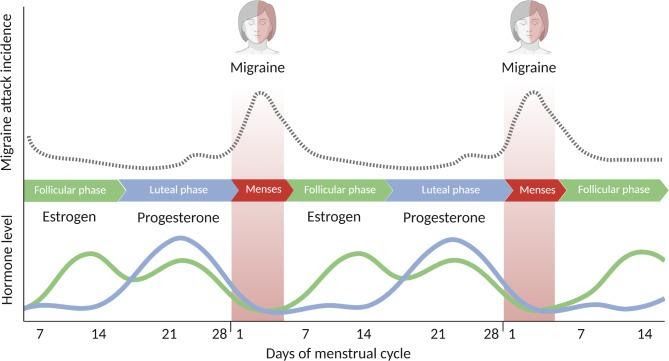
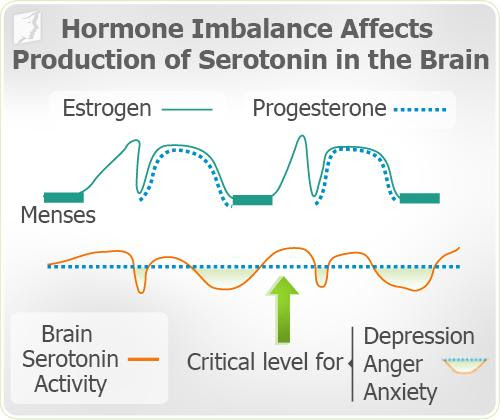
Hormonal migraines are incredibly common.
They often show up:
- Before or during a menstrual cycle
- During pregnancy or postpartum
- During perimenopause
Estrogen fluctuations can influence:
- Blood flow
- Pain sensitivity
- Brain signaling
But again…
Hormonal changes are normal.
So why do some people get migraines and others don’t?
Because hormones are often the trigger—not the root cause.
Dehydration and Migraines
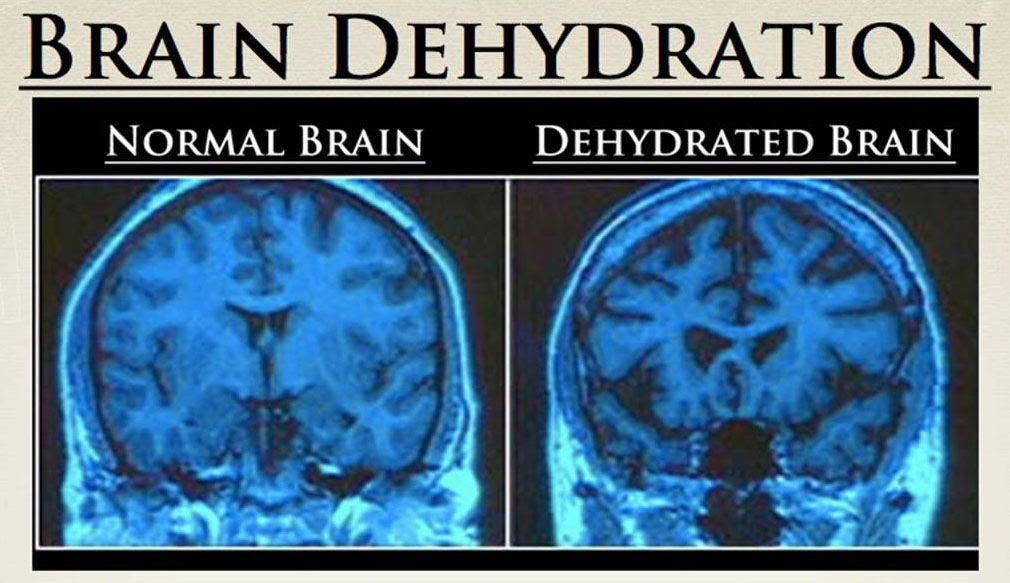
Your brain and nervous system rely heavily on proper hydration.
When you’re dehydrated:
- Blood volume can decrease
- Brain tissue becomes more sensitive
- The body has to work harder to regulate itself
This can absolutely trigger a migraine.
But once again…
Not everyone who is dehydrated gets migraines.
Which brings us back to the same principle:
It’s not just the trigger—it’s how your body handles the trigger.
The Missing Piece: Your Nervous System Threshold
Imagine your body has a “tolerance threshold.”
- Below the threshold → you feel fine
- Above the threshold → symptoms appear
If your nervous system is already stressed, your threshold is lower.
So small things become big triggers:
- A glass of wine → migraine
- Hormonal shift → migraine
- Slight dehydration → migraine
But the deeper issue is this:
Your system is already overloaded before the trigger even shows up.
Where That Overload Often Begins
1. The Neck, Brainstem, and Posture
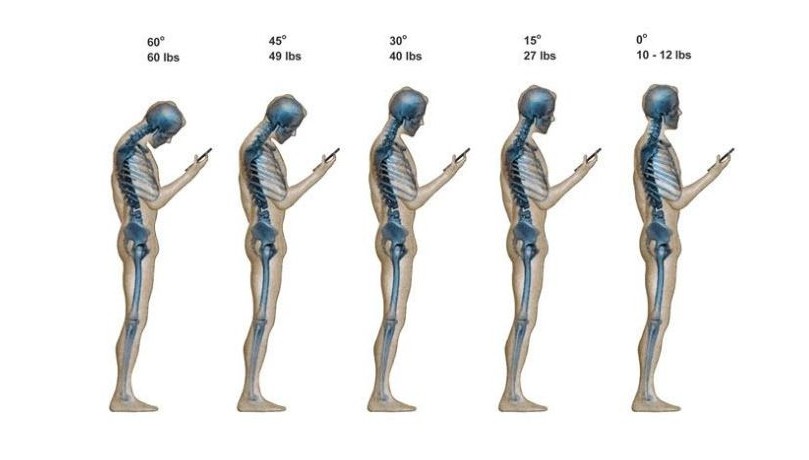
At the base of your skull sits the brainstem—one of the most important control centers in your body.
Surrounding it are small muscles (suboccipitals) packed with neurological receptors.
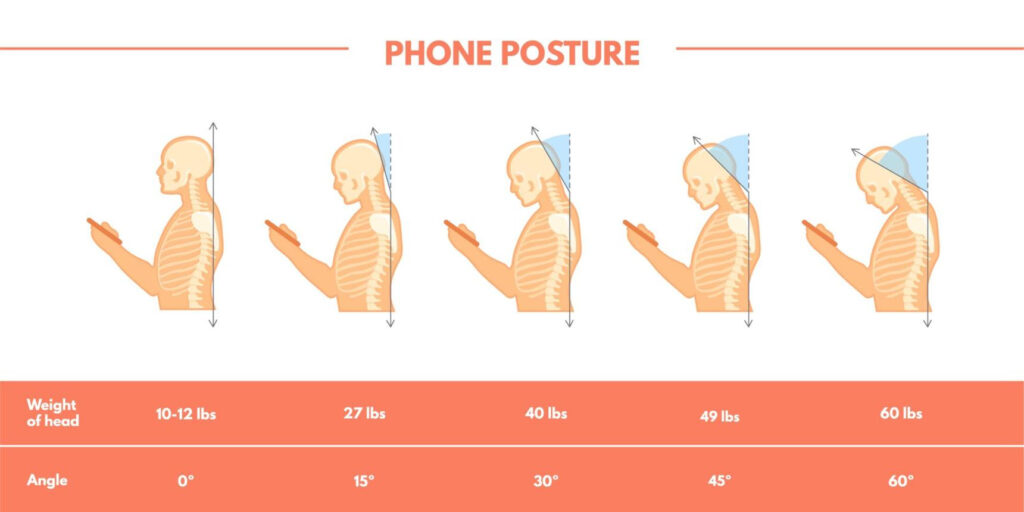
Now consider modern posture:
- Phones
- Laptops
- Sitting for hours
As your head moves forward, the load on your neck can increase from 10 pounds to up to 50 pounds.
This creates:
- Constant muscle tension
- Irritation to nearby nerves
- Altered communication with the brain
- Increased neurological stress
For many patients…
this is a major, overlooked driver of migraines.
2. Birth Stress and Early Life Patterns

This is something most people have never considered.
Stress on the upper neck can begin at birth.
Examples include:
- Forceps or vacuum-assisted delivery
- Cesarean sections (traction and pulling forces)
- Prolonged or difficult labor
These early mechanical stresses can affect:
- The upper cervical spine
- Brainstem function
- Nervous system development
Over time, the body adapts…
But those adaptations can create patterns that show up later in life as:
- Headaches
- Migraines
- Sensitivity to stress
3. Accumulated Life Stress
Over the years, your body builds patterns from:
- Sports injuries
- Car accidents
- Falls
- Repetitive posture stress
- Emotional stress
Individually, these may seem small.
But collectively…
they raise the baseline stress on your nervous system.
Why Migraines Feel So Intense
Migraines are not just pain—they are sensory overload.
That’s why you may experience:
- Light sensitivity
- Sound sensitivity
- Nausea
- Visual disturbances
Your brain is struggling to filter input.
Instead of regulating signals…
everything gets amplified.
Why Medication Alone Isn’t Enough
Medication can:
- Reduce pain
- Calm symptoms temporarily
But it doesn’t:
- Improve spinal function
- Reduce neurological interference
- Increase your body’s adaptability
So while it may help in the moment…
it doesn’t change the pattern.
A More Complete Approach
At Ptak Family Chiropractic, we look at the full picture.
Yes—triggers matter:
- Food (including tyramine)
- Hormones
- Hydration
But we also address what makes those triggers matter:
- Spinal mechanics
- Nervous system function
- Brain-body communication
- Your overall adaptability
Because the goal is not just to avoid life…
It’s to handle life better.
What Patients Often Experience
When the nervous system begins to function more efficiently, many patients notice:
- Fewer migraines
- Reduced intensity
- Less sensitivity to food triggers
- Improved tolerance to hormonal shifts
- Better hydration response
- Increased energy and clarity
Not because triggers disappeared…
But because their body stopped overreacting to them.
A Real Patient Experience
“After 2 months of care, I am more in tune with my body, more balanced, back to doing jumping jacks and hiking 11 miles I haven’t had a migraine since starting care. ” – Jackie S.
That’s what happens when you move beyond symptom management and start changing the underlying pattern.
You Don’t Have to Keep Living This Way
If you’ve been told:
- “Just avoid your triggers”
- “Take this when it happens”
- “It’s genetic”
Know this:
There is more to the story.
Your body is not randomly producing migraines.
It is responding to stress patterns that, in many cases…
can be addressed.
Take the First Step
If you’re ready to understand what’s really behind your migraines—and what can be done about it—we’re here to help.
We offer a no-charge consultation and examination to evaluate your specific situation and show you exactly what’s going on.
Ptak Family Chiropractic
Call or text to schedule your visit (310) 473-7991.
Because migraines aren’t something you should just manage.
They’re something your body is trying to tell you, and we’re here to help you listen.