

When people think about gut health, digestion is usually the first thing that comes to mind.
Food. Bloating. Maybe occasional discomfort.
But your gut does far more than process what you eat. It plays a central role in how your entire body functions, including how you feel physically, how you respond to stress, and even how much energy you have throughout the day.
In many cases, what you feel in your gut is not just about what you ate. It is about how well your body is communicating internally.
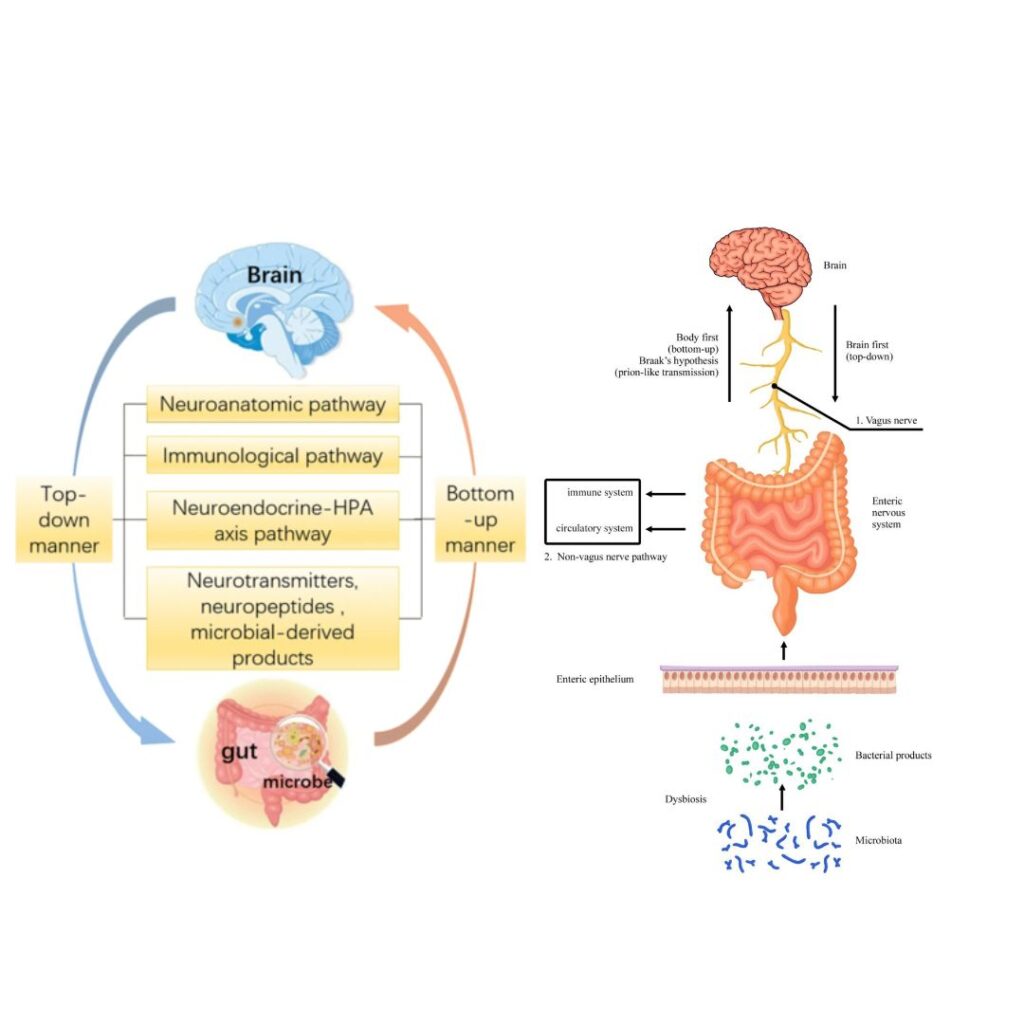
Your gut and nervous system are in constant communication through what is known as the gut-brain axis. Inside your digestive system is the enteric nervous system, often referred to as your second brain. It contains millions of nerve cells that help regulate digestion and communicate directly with your brain.
This is why you may feel butterflies in your stomach when you are nervous, why stress can disrupt digestion, and why digestive issues can leave you feeling tired, foggy, or off.
This communication system is always active, and it all travels through one central pathway, your nervous system.
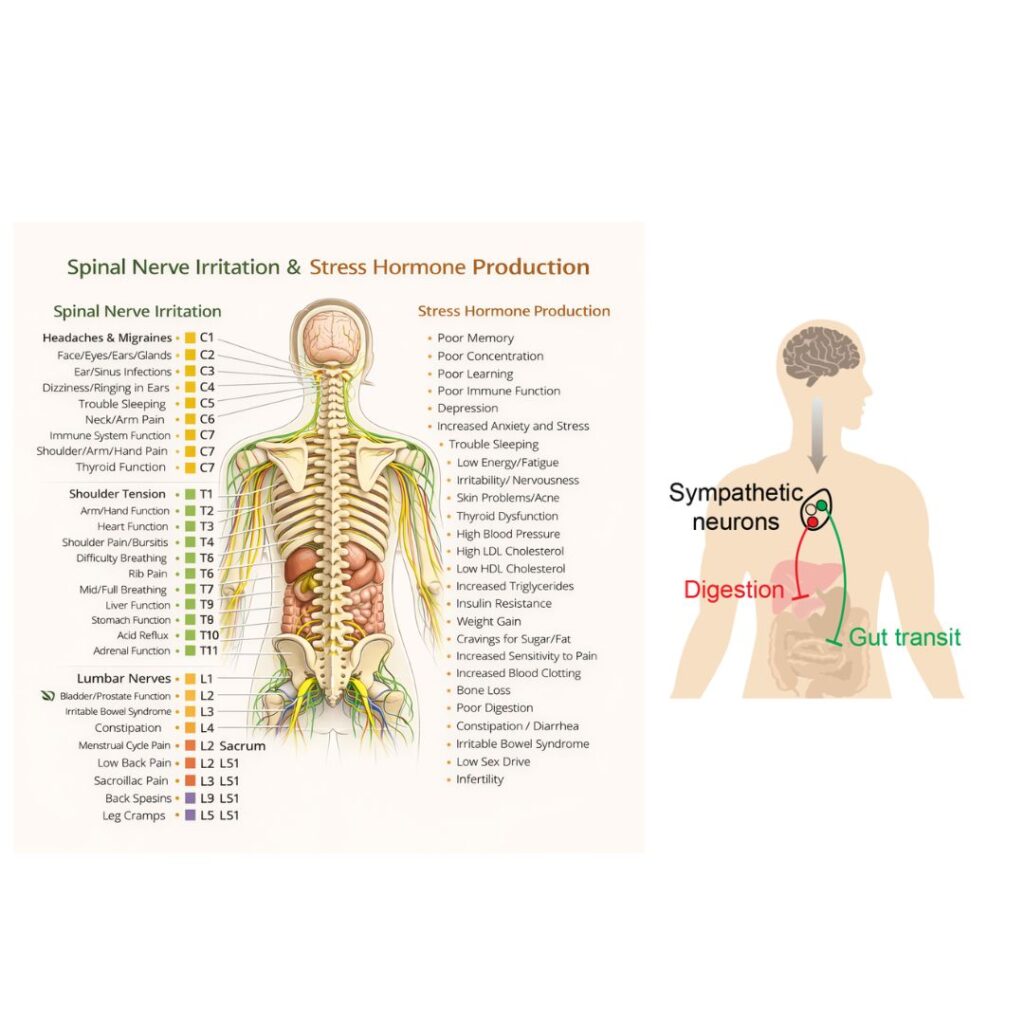
Your spine protects the spinal cord, which serves as the main communication highway between your brain and body. Every signal from your brain to your digestive system and back again travels through this system.
When that communication is clear and efficient, your body has a better chance of regulating digestion, stress responses, and overall function. When communication becomes altered through tension, posture changes, or reduced spinal motion, your body may begin to compensate.
Compensation does not always feel like pain. Sometimes it shows up as digestive irregularity, bloating, changes in energy, or a general sense that something feels off.
This is why it is so important to look at the body as a whole system rather than focusing on just one area.
Your daily habits play a major role in how your gut functions, and often it is the small, consistent behaviors that make the biggest difference over time.
Staying properly hydrated supports both digestion and disc health. Eating a variety of fiber-rich foods helps support gut balance. Slowing down while eating allows your body to process food more effectively. Taking regular movement breaks, especially if you sit for long periods, helps keep your body functioning more efficiently. Maintaining awareness of posture throughout the day can also influence how your body communicates internally.
Many people notice that when their digestion improves, other things improve as well, including focus, comfort, and overall energy. Your body is always adapting to what you do consistently.

Stress does not just stay in your head. It affects your entire body, including your digestive system.
When stress levels rise, your body may shift into a state that prioritizes survival over digestion. This can lead to slower digestion, increased tension, changes in gut function, and a cycle of discomfort that can be difficult to break.
This is why supporting your nervous system is just as important as supporting your diet. Simple practices like breathing, slowing down, and creating moments of recovery throughout the day can make a meaningful difference.
Your gut does not work in isolation. It is part of a larger, integrated system that includes your brain, spine, and nervous system. When one area is under stress or not functioning optimally, other areas often adapt.
Over time, those adaptations can become your new normal, even if they are not ideal.
That is why paying attention matters. Notice how you feel after meals, during stressful periods, after long hours of sitting, and when your routine changes. Your body is always giving you information.
Many people wait until something becomes painful before they take action, but some of the most important changes happen before pain ever shows up.
If you have ever felt like your body is off without a clear reason, there may be more going on beneath the surface. Understanding how your gut, spine, and nervous system work together is often the first step toward improving how you feel overall.
If you are curious how your daily habits or your body’s patterns may be influencing this connection, our team is here to help guide you.
Call us at (310) 473-7991 to schedule a visit or speak with our team.
To your health,
Ptak Family Chiropractic