
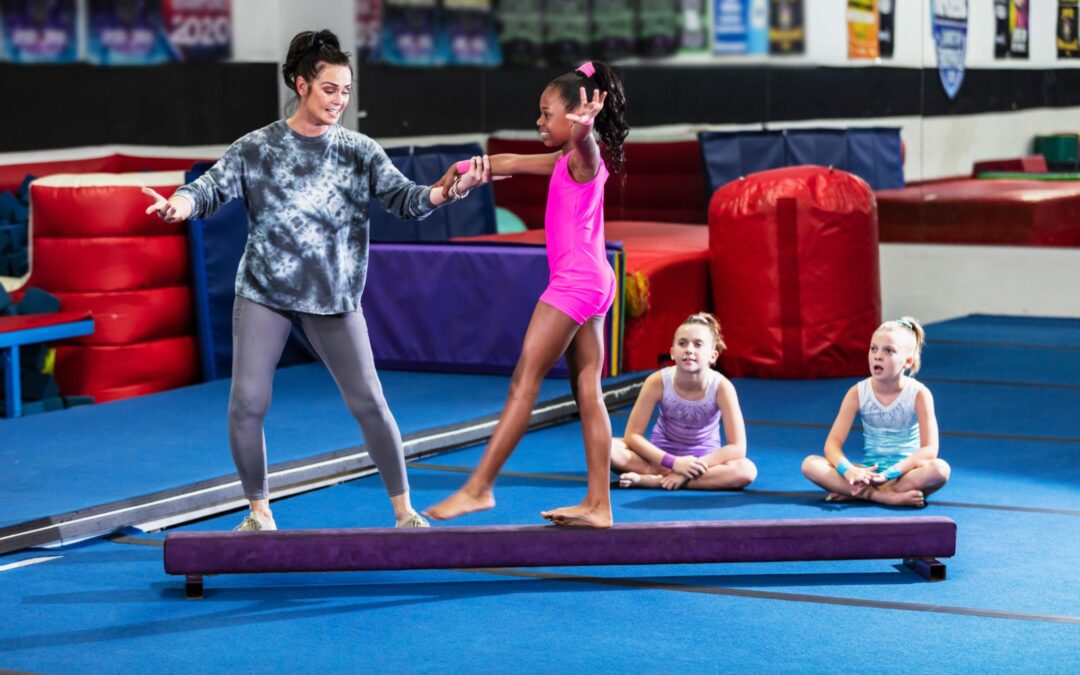
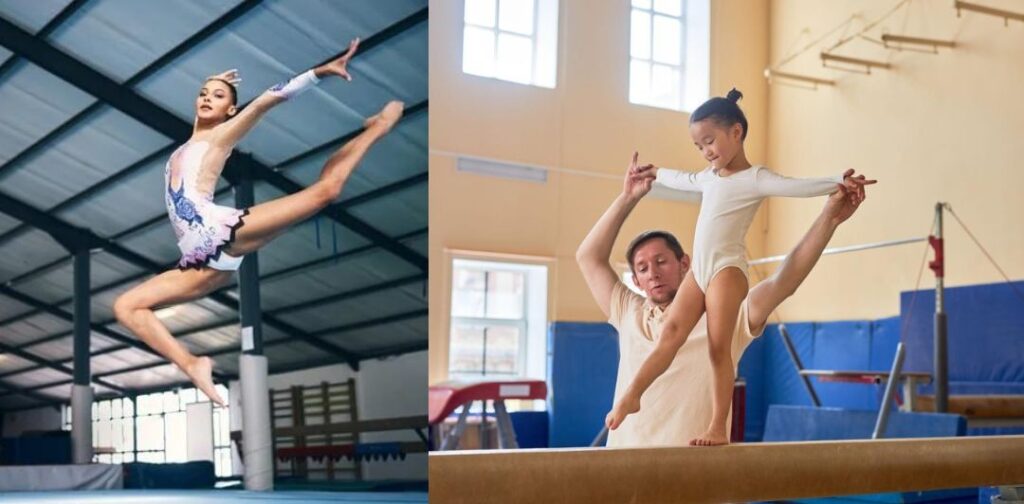
If your child is involved in gymnastics, their body is under constant demand.
Even when everything looks great on the outside, small changes can be happening beneath the surface.
This checklist is designed to help you catch early signs before they turn into bigger problems.
Go through each section and simply note what applies to your child.
Movement & Flexibility
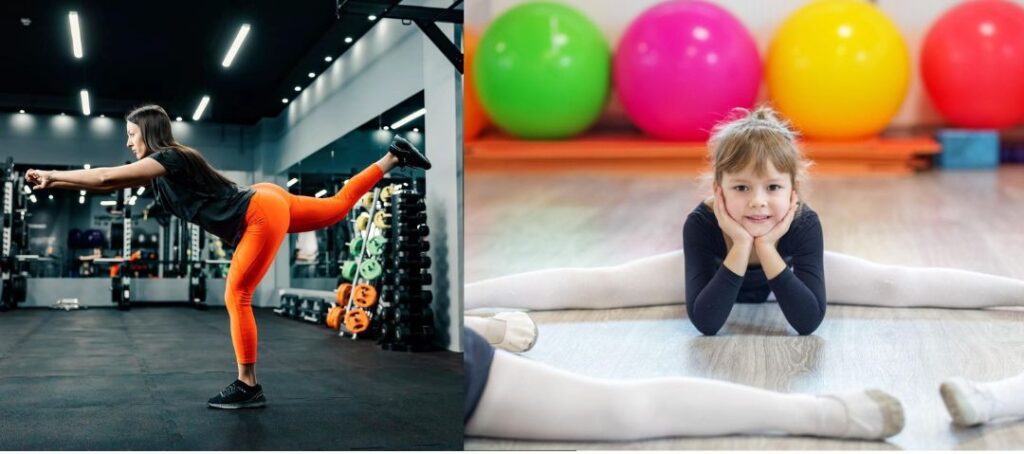
Does your child have one side that is tighter than the other?
Do they struggle more on one side during skills or stretches?
Have you noticed a decrease in flexibility over time?
Do certain movements look less smooth or controlled than before?
If you answered yes to any of these, it may indicate developing imbalances.
Posture & Alignment
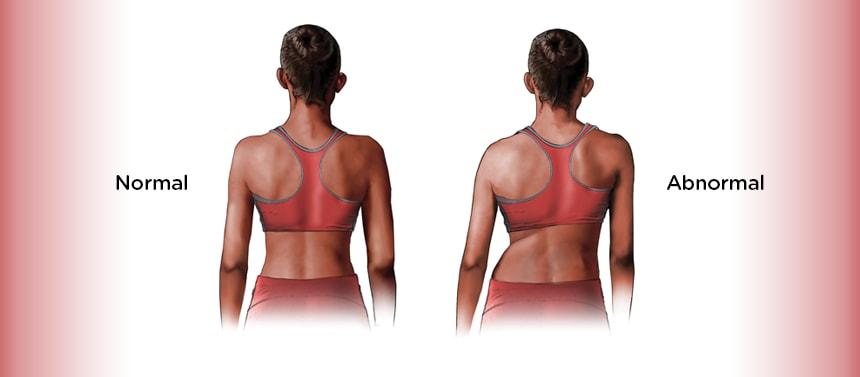
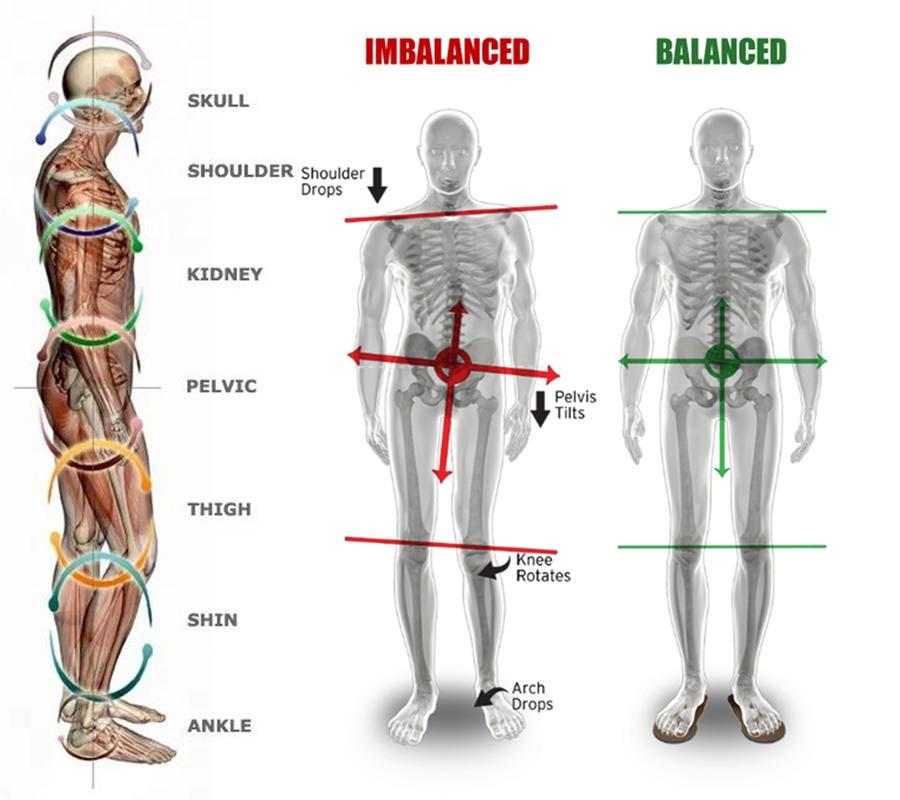
Does your child stand with uneven shoulders or hips?
Does their posture look different than it used to?
Do they tend to lean or shift weight to one side?
Do they sit slouched or consistently favor one position?
Postural changes are often one of the earliest signs of compensation.
Training & Recovery
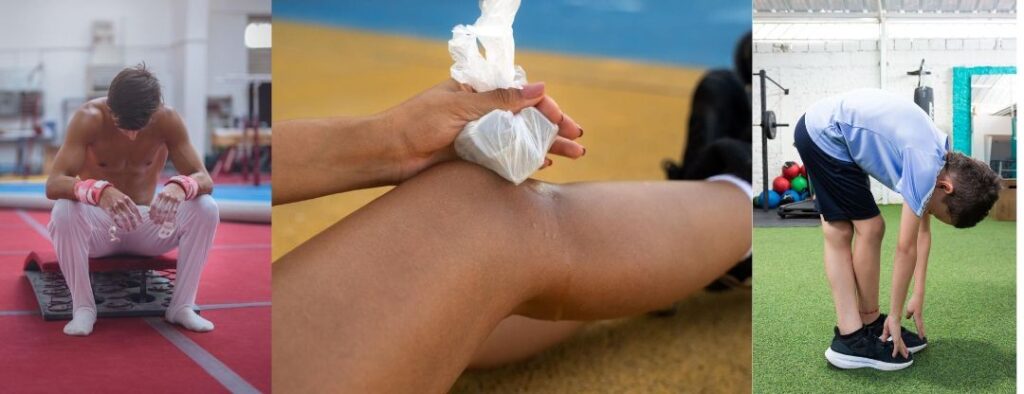
Does your child feel sore after most practices?
Do they take longer to recover than expected?
Do they complain of tightness more than pain?
Have they recently increased training intensity or frequency?
These are signs the body may be under more stress than it can efficiently handle.
Growth & Development
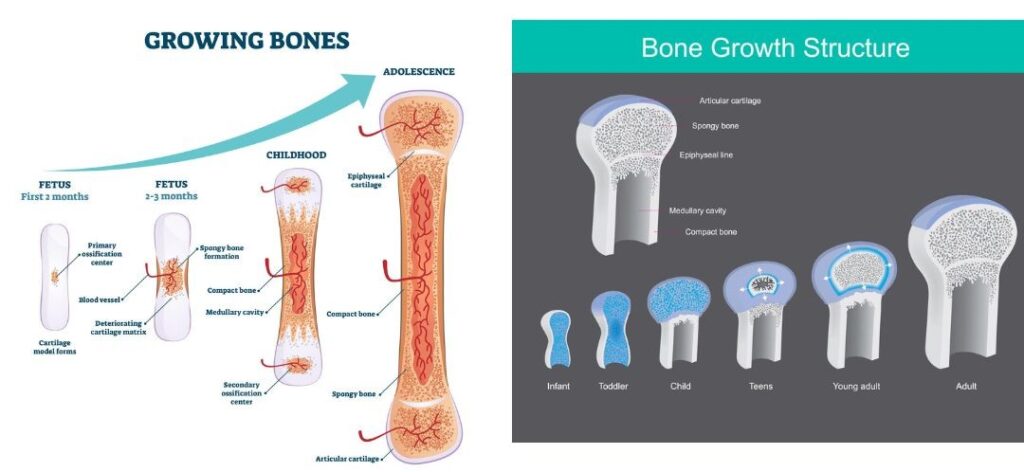
Has your child had a recent growth spurt?
Have you noticed increased clumsiness or coordination changes?
Are they suddenly tighter than they used to be?
Growth changes everything, and the body does not always adapt smoothly.
Performance Change
Has your child hit a plateau despite continued training?
Do skills that were once easy now seem harder?
Do they look less confident or more hesitant?
Sometimes performance changes are not about effort. They are about how the body is functioning.
Early Warning Signs
Does your child frequently stretch or “crack” certain areas?
Do they complain of recurring tightness in the same spot?
Have they had minor injuries that keep coming back?
Do they say things like “my back feels tight” or “my legs feel off”?
These are often early signals, not random complaints.
What This Means
If you checked even a few of these boxes, it does not mean something is wrong.
It means your child’s body may be adapting to the demands being placed on it.
And that is the key.
Adaptation is normal.
But unchecked adaptation can lead to compensation.
And compensation is what eventually leads to injury or decreased performance.
What You Can Do Next
The goal is not to wait for pain.
The goal is to support your child’s body while it is still adapting well.
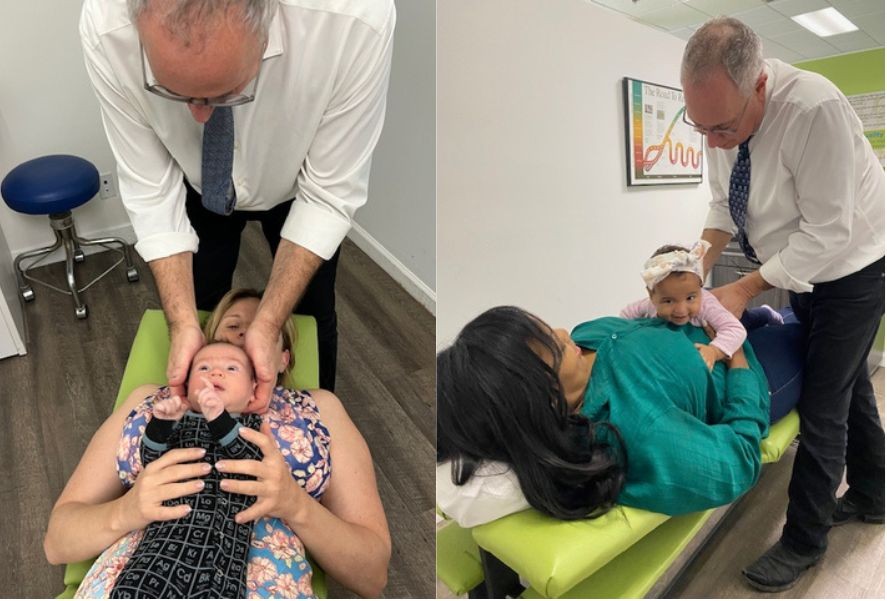
Chiropractic care focuses on:
Restoring proper motion in the spine
Supporting the nervous system
Helping the body move and function more efficiently
This allows your child to handle training, growth, and recovery at a higher level.
Our Approach at Ptak Family Chiropractic
We take a corrective care approach focused on how your child’s body is functioning, not just how it feels.
Care is designed to support:
Movement
Balance
Coordination
Recovery
So your child can continue to perform, improve, and enjoy gymnastics without unnecessary setbacks.
If You Checked Multiple Boxes…
It may be time to have your child evaluated.
We offer a no-charge consultation to help determine if chiropractic care would be beneficial for your child.
Ptak Family Chiropractic
3122 Santa Monica Blvd, Ste 102
Santa Monica, CA 90404