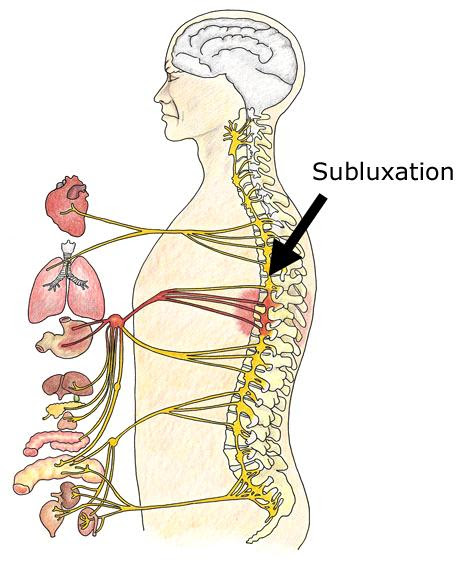
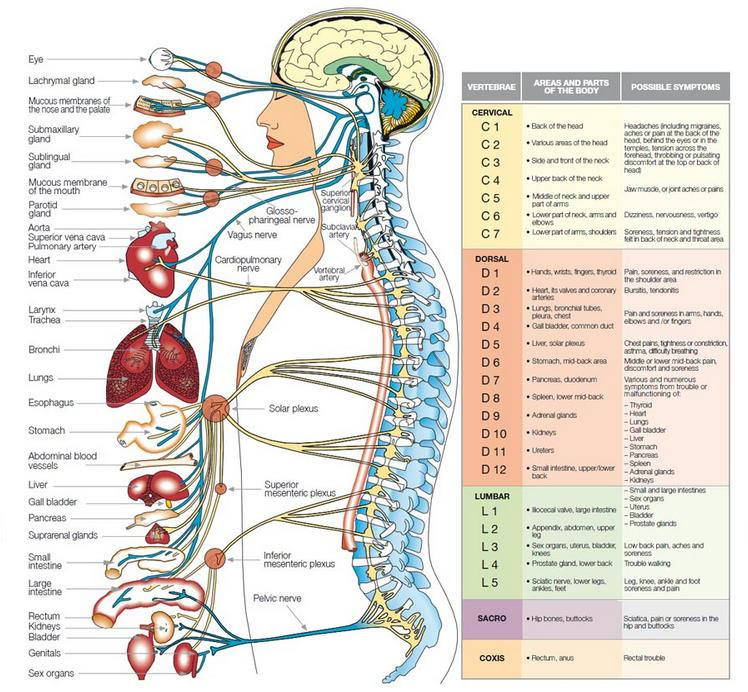
The word “subluxation” is one of the most important concepts in chiropractic.
It is also one of the most misunderstood.
Many people think it simply means a bone out of place.
It doesn’t.
Subluxation is about function.
More specifically, it is about how well your brain and body are communicating.
A Simple Way to Understand Subluxation
At its core, a subluxation is a change in normal spinal motion and function that interferes with communication within the nervous system.
Your brain controls and coordinates everything your body does.
Every organ, every muscle, every cell depends on clear communication through the nervous system.
Your spine protects that system.
When spinal joints are not moving properly, the quality of communication between the brain and body can change.
Not always completely blocked.
But altered.
And when communication is altered, function is altered.
This is where problems begin.
The Safety Pin Cycle: Understanding How the Body Communicates
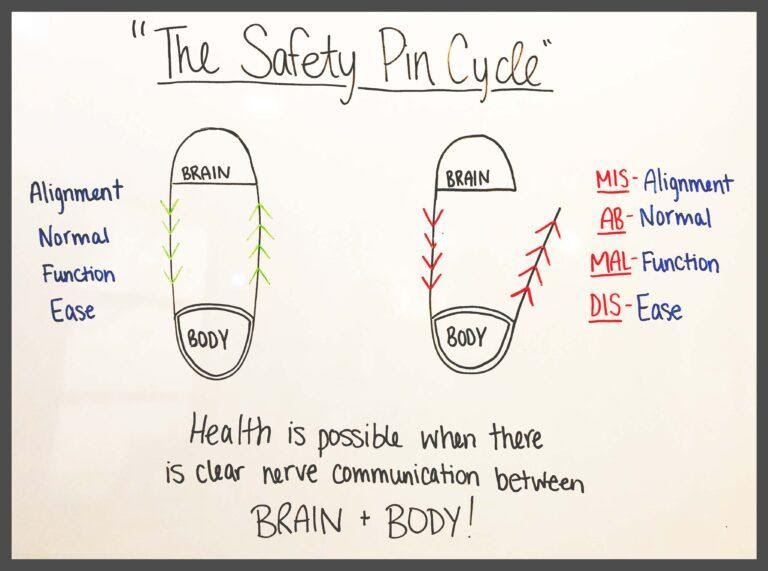
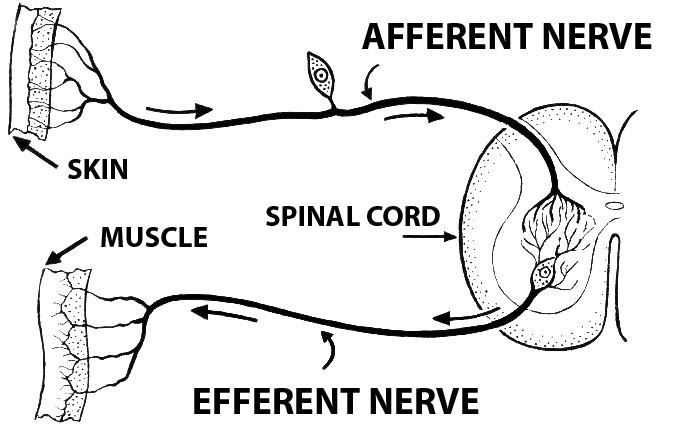
One of the simplest ways to understand how your body functions is through something called the Safety Pin Cycle.
Think of it as a continuous loop of communication between your body and your brain.
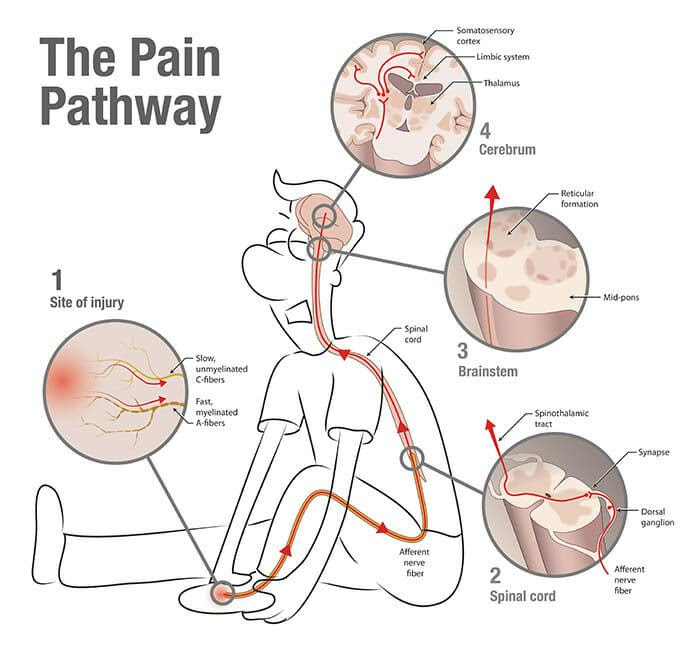
First, your body sends information to your brain. This is afferent input.
Every movement, every position, every sensation is being reported upward through the nervous system.
Your brain then processes that information and sends instructions back to the body. This is efferent output.
That output controls everything from movement and posture to organ function and adaptation.
Input → Processing → Output And then the cycle repeats continuously.
This loop is what allows your body to adapt, heal, and function.
When a subluxation is present, the quality of that input can become distorted, and the output can become less efficient.
The message is still moving.
But it is not as clear.
This is where interference affects the expression of life through the body.
The body is still functioning.
But it may not be functioning at its full potential.
The goal of chiropractic care is to restore clarity to this cycle.
Better input. Better output. Better function.
A Simple Analogy: The Fuse Box
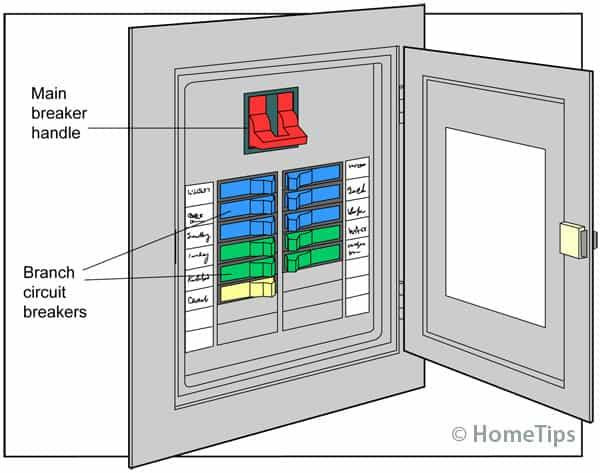
Another way to understand this is to think about the electrical system in your home.
Your brain is like the main power source.
Your body is the house.
Your nervous system is the wiring that carries energy and information to every room.
And your spine acts like a fuse box.
When everything is functioning properly, power flows where it needs to go. Lights turn on. Appliances work. The system runs smoothly.
But if a fuse is not functioning properly, the pathway it controls is affected.
A room may go dark. An appliance may stop working. Things may flicker or work inconsistently.
The problem is not the light.
It is not the appliance.
It is the interruption in the system.
In the same way, when a subluxation is present, it affects how information flows through the nervous system.
The result may show up somewhere else in the body.
Pain. Tension. Poor function.
But the source of the issue is not always where the symptom appears.
The goal is not just to fix the symptom.
The goal is to restore the system.
The Original Chiropractic Perspective
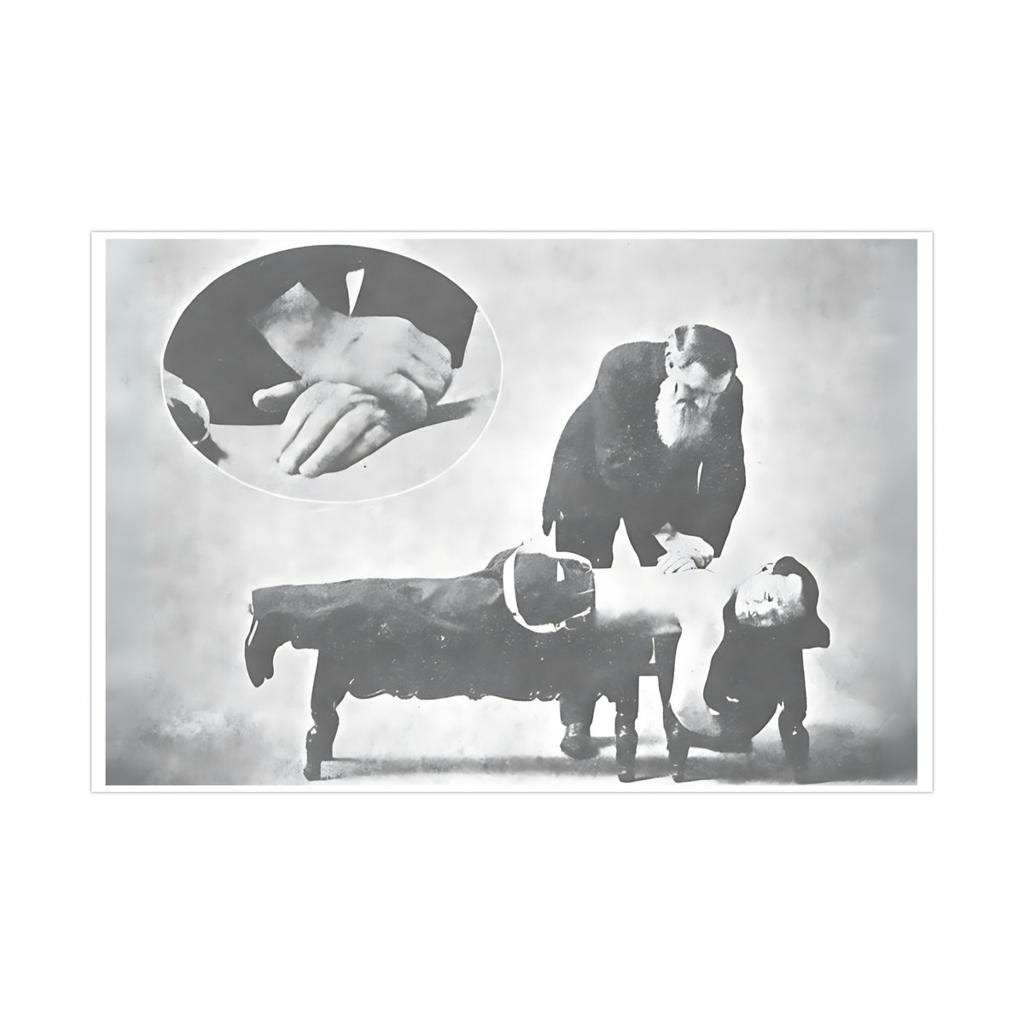
Chiropractic began in 1895 with D.D. Palmer, who recognized that the body has an inherent ability to regulate and heal itself.
He described this as innate intelligence, a built-in guidance system that directs the body toward health.
His son, B.J. Palmer, expanded on these ideas and emphasized the central role of the nervous system.
He described three primary causes of interference:
Trauma Toxins Thoughts
All of which can influence how the nervous system functions and contribute to subluxation.
They also distinguished between disease and dis-ease.
Disease is a diagnosable condition.
Dis-ease is a state where the body is not functioning in harmony, even before symptoms appear.
This distinction matters.
Because many people are functioning with interference long before they feel anything at all.
A Modern Understanding of Subluxation
Today, we understand more about how the spine influences the nervous system.
Every joint in your spine contains receptors that send information to your brain about movement and position.
This is called proprioception.
When joints are moving well, they send clear, accurate input.
When they are restricted, that input becomes altered.
Over time, this can affect coordination, posture, balance, and how the brain organizes movement.
This is why a subluxation is not just structural.
It is neurological.
It changes how the brain perceives and controls the body.
Why You May Not Feel a Problem
Pain is often the last sign of dysfunction, not the first.
The body is incredibly adaptive. It can compensate for imbalances for long periods of time before symptoms appear.
By the time you feel pain, the process has often been developing for months or years.
This is why waiting for symptoms is not always the best strategy.
Function matters before symptoms.
What Causes Subluxation
Subluxations are typically the result of accumulated stress over time.
Physical stress Poor posture Repetitive movement Injuries or accidents
Chemical stress Inflammation Poor nutrition
Emotional stress Mental overload Chronic tension
These stresses gradually influence how the body moves and how the nervous system functions.
What Chiropractic Care Does
Chiropractic adjustments are designed to restore motion and improve communication within the nervous system.
When motion improves, the input to the brain improves.
Better input leads to better output.
This can influence how your body moves, adapts, and functions.
The goal is not simply to reduce pain.
The goal is to improve how your body works.
A Different Way to Think About Health
Health is not just the absence of symptoms.
It is the ability of your body to function, adapt, and express itself fully.
When communication within the nervous system is clear, the body has the best opportunity to do that.
When interference is present, that ability is reduced.
This is why subluxation matters.
It is about the expression of life through the body.
Take the First Step Toward Better Function
At Ptak Family Chiropractic, our focus is on helping your body function the way it was designed to.
By improving spinal motion and supporting the nervous system, we help create the conditions for better movement, better adaptability, and a higher level of health.
If you are ready to experience what your body is capable of when it is functioning at its best, we are here to help.
Schedule your consultation today and take the first step toward a healthier, more connected you. (310) 473-7991
Most parents have never heard of primitive reflexes.
Yet they play a foundational role in how a child’s brain develops, how their body moves, and how they learn, focus, and behave.
When these reflexes develop and integrate properly, they quietly set the stage for coordination, attention, emotional regulation, and academic success.
When they don’t, the effects can show up in ways that are often misunderstood.
What looks like ADHD, clumsiness, poor posture, or learning challenges may actually be rooted in something much earlier in development.
Primitive reflexes.
What Are Primitive Reflexes
Primitive reflexes are automatic movement patterns that are present at birth. They originate in the brainstem and are designed to help infants survive and begin interacting with their environment.
These reflexes guide early movements like sucking, grasping, turning the head, and reacting to stimuli.
As a child grows, higher centers of the brain begin to take over. These reflexes are meant to integrate, meaning they fade away and are replaced by more controlled, voluntary movement.
This process is one of the earliest and most important steps in neurological development.
If integration does not occur properly, the nervous system can remain in a more primitive, less efficient state.
And that affects everything built on top of it.
Why Primitive Reflexes Matter More Than You Think
Retained primitive reflexes can interfere with how the brain and body communicate.
This can show up as:
Difficulty sitting still Poor posture Trouble focusing Impulsivity Emotional sensitivity Challenges with reading and writing Coordination issues Sensory sensitivities
These are not random symptoms.
They are signals that the nervous system may not be developing as efficiently as it could.
When the foundation is unstable, everything built on top of it becomes more difficult.
The Major Primitive Reflexes and When They Should Integrate
Understanding a few key reflexes can help you recognize patterns in your child.
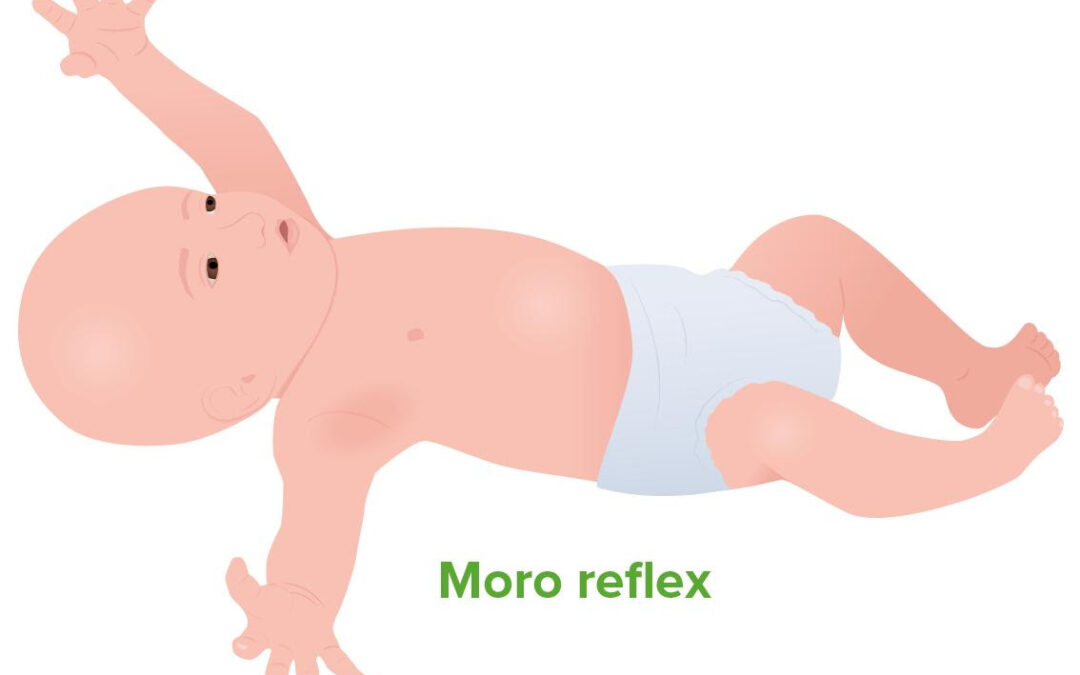
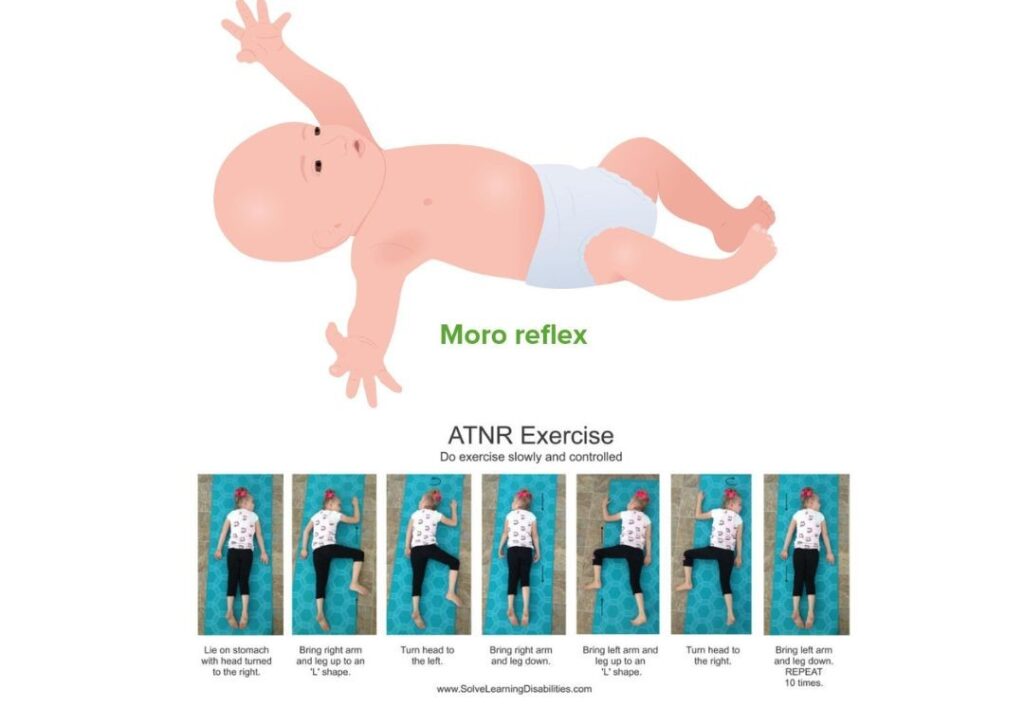
Moro Reflex (Startle Reflex) Present at birth Should integrate by 4–6 months
This reflex causes a sudden extension of the arms and legs in response to stimuli, followed by a contraction.
If retained, it may contribute to anxiety, emotional reactivity, difficulty handling stress, and hypersensitivity to sound or light.
These children often appear “on edge” or easily overwhelmed.
ATNR (Asymmetrical Tonic Neck Reflex) Present at birth Should integrate by 5–7 months
When the head turns to one side, the arm and leg on that side extend while the opposite side flexes.
If retained, it can interfere with crossing midline, which is essential for reading and writing.
Children may struggle with handwriting, tracking words across a page, or coordinating both sides of the body.
STNR (Symmetrical Tonic Neck Reflex) Develops around 6–9 months Should integrate by 9–11 months
This reflex helps a child transition from lying to crawling.
If retained, it can affect posture and sitting still. These children may slump, fidget constantly, or have difficulty maintaining attention at a desk.
TLR (Tonic Labyrinthine Reflex) Present at birth Should integrate by around 6 months
This reflex influences muscle tone based on head position.
If retained, it may lead to poor balance, coordination issues, motion sensitivity, and difficulty with spatial awareness.
Spinal Galant Reflex Present at birth Should integrate by 3–9 months
This reflex is activated when the lower back is stimulated.
If retained, it can contribute to fidgeting, poor sitting tolerance, bedwetting, and sensitivity to clothing around the waist.
What Happens If These Reflexes Remain
When primitive reflexes are retained, the brain is essentially working with interference.
Instead of smooth, coordinated communication, there are competing signals.
The body may react when it doesn’t need to.
The brain may struggle to filter input.
Energy that should be used for learning and focus is instead used for compensation.
This is why a child can be intelligent, capable, and trying hard, yet still struggle.
It is not a lack of effort.
It is a lack of integration.
How to Help Integrate Primitive Reflexes
The encouraging news is this.
The brain is adaptable.
With the right input, these reflexes can be reduced or integrated over time.
The key is specific, repetitive movement patterns that mimic early developmental stages.
Cross Crawl
Have your child touch their right elbow to their left knee, then alternate sides.
This improves coordination between both sides of the brain and supports integration of reflexes like ATNR.
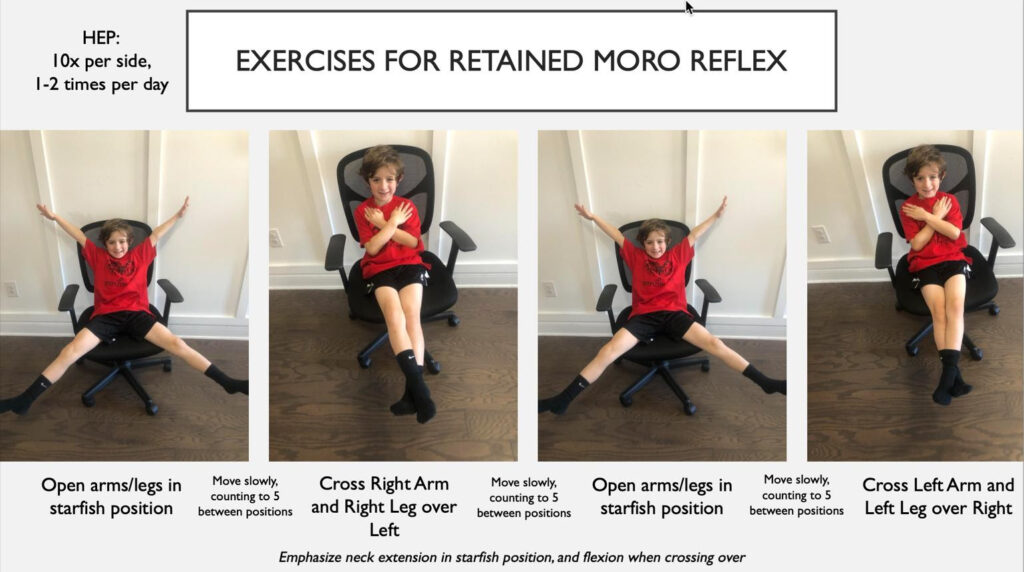
Starfish Exercise (for Moro Reflex)
Start curled up, then slowly extend arms and legs outward while breathing deeply, then return to a curled position.
This helps regulate the nervous system and reduce startle reflex sensitivity.
Rocking on Hands and Knees
Position your child on hands and knees and gently rock forward and backward.
This mimics early developmental movement and supports integration of STNR.
Superman Hold
Lift arms and legs while lying face down and hold steady.
This strengthens postural muscles and improves body awareness.
Snow Angels (on Floor)
Lying on the back, move arms and legs in a slow, controlled pattern like making a snow angel.
This supports coordination and full-body awareness.
Why Consistency Is Everything
These exercises are not quick fixes.
They are inputs.
And the brain changes through repetition.
Done occasionally, they help.
Done consistently, they can create meaningful improvements in focus, behavior, coordination, and learning.
A Different Way to Look at Your Child’s Challenges
At Ptak Family Chiropractic, we view these patterns through a neurological lens.
The body and brain are not separate.
Movement, posture, and spinal function all influence how the brain processes information and how a child experiences the world.
When we improve the foundation, everything else has the opportunity to improve as well.
This is not about labeling your child.
It is about understanding them.
Helping Your Child Reach Their Potential
If your child is struggling with focus, coordination, behavior, or learning, there is always a reason.
And there is always a path forward.
When we identify what may be interfering with development and apply the right strategies, we can help the brain and body work together more effectively.
If you would like help understanding what may be affecting your child and what steps you can take, we are here for you.
Call our office or schedule a consultation today.
Let’s help your child build the foundation they need to grow, learn, and thrive. (310) 473-7991.
When a child struggles with focus, behavior, learning, or social interaction, most people immediately think of attention.
But what if attention isn’t the real problem?
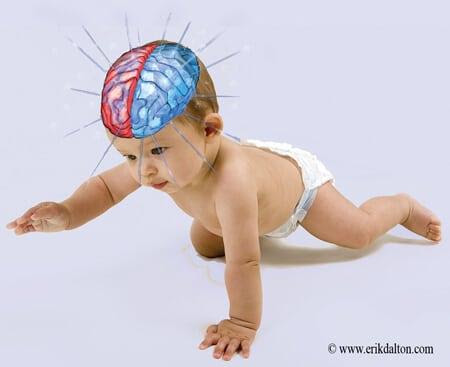
What if the challenge is how the brain is developing and communicating?
Children labeled with ADHD are often bright, creative, and full of potential. The issue is not intelligence. It is how well different parts of the brain are working together.
Modern neuroscience continues to show that many of these challenges are linked to immature or underdeveloped neural connections. Certain areas of the brain may not be communicating efficiently, which can affect focus, behavior, emotional regulation, and learning.
This can show up as difficulty concentrating, impulsivity, frustration, poor coordination, trouble sitting still, or struggles in school.
The most important thing to understand is this.
The brain is not fixed.
It is adaptable.
It can change and improve when given the right input.
Movement Is Brain Development
Movement is not just physical.
It is neurological.
Every movement a child makes sends information into the brain. That input helps organize, strengthen, and refine neural pathways.
This is why telling a child to “sit still and focus” can actually work against development.
The brain builds through movement.
Especially movements that involve coordination, balance, rhythm, and crossing the midline of the body.
When these types of movements are missing or underdeveloped, the brain may not receive the input it needs to mature properly.
The Missing Link: Primitive Reflexes
There is another critical piece that is often overlooked in children with ADHD and learning challenges.
Primitive reflexes.
These are automatic movement patterns present at birth. They are essential for survival and early development, helping infants interact with their environment before conscious control is established.
As the brain matures, these reflexes are supposed to integrate, meaning they fade away and are replaced by more advanced, voluntary movement patterns.
But sometimes, they do not fully integrate.
When primitive reflexes remain active beyond early childhood, they can interfere with how the brain and body communicate.
This can contribute to:
Difficulty sitting still Poor posture and coordination Trouble focusing or following instructions Emotional reactivity Challenges with reading and writing Sensory sensitivities
For example, a retained Moro reflex, often called the startle reflex, can keep a child in a constant state of alertness. This makes it difficult to relax, regulate emotions, and maintain focus.
A retained ATNR reflex can interfere with crossing midline, which is essential for reading, writing, and coordinated movement.
This is where movement-based exercises become powerful.
They are not random.
They are designed to help integrate these reflexes and support more mature brain function.
When the foundation improves, everything built on top of it becomes easier.
Four Brain-Building Exercises You Can Do at Home
These exercises stimulate different parts of the brain and help improve coordination, awareness, and control.
They are simple, but when done consistently, they can be very effective.
Aerobic Activation: Jumping Jacks
Perform 20 jumping jacks followed by 15 seconds of rest. Complete 3 rounds.
Challenge: Perform with eyes closed.
This improves coordination between both sides of the brain and helps regulate energy and attention.
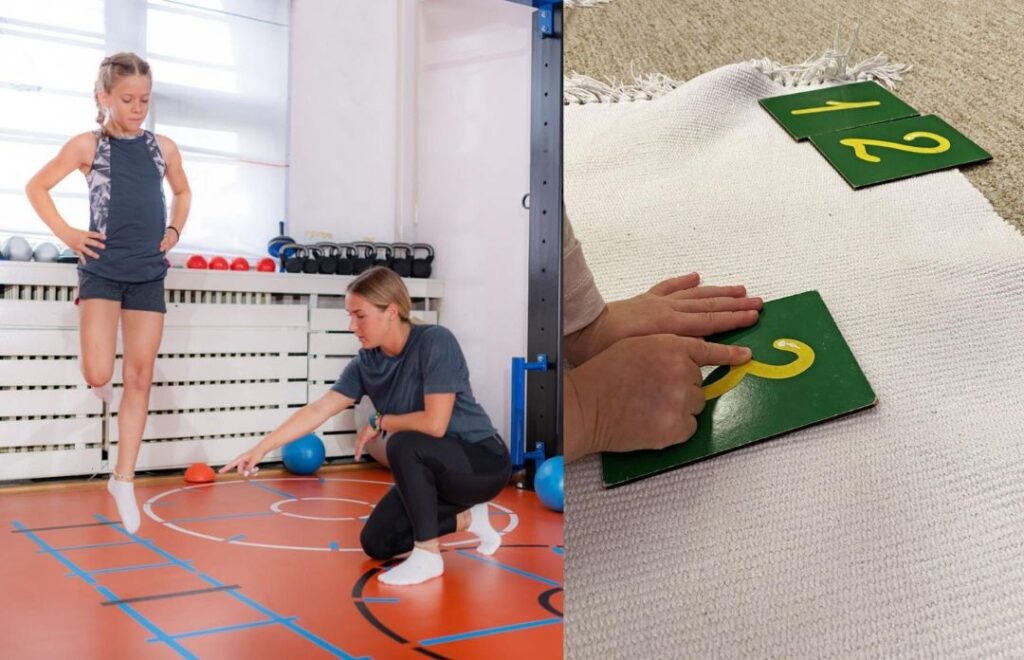
Proprioceptive Stability: Superman
Lie face down with arms extended. Lift one arm and the opposite leg and hold for 15 seconds. Switch sides.
Challenge: Lift all four limbs and hold steady.
This strengthens core stability and improves body awareness, which supports posture and focus.
Tactile Awareness: Number Tracing
With eyes closed, trace numbers on your child’s palm and have them identify each number.
Challenge: Trace multiple numbers in sequence.
This enhances sensory processing and the brain’s ability to interpret input without relying on vision.
Cognitive Control: Contrasting Commands
When you raise one finger, your child raises two. When you raise two, they raise one.
Use a random sequence and repeat multiple times.
This builds impulse control, attention, and executive function.
Why Consistency Changes Everything
The power of these exercises is not in doing them once.
It is in doing them consistently.
The brain develops through repetition. Each time these pathways are activated, they become stronger and more efficient.
Small, daily inputs create meaningful change over time.
A Different Approach to ADHD
At Ptak Family Chiropractic, we take a whole-child approach.
The brain and body are deeply connected. Movement influences brain function. Brain function influences behavior, learning, and emotional regulation.
When we improve how the body moves and how the nervous system communicates, we create the conditions for the brain to develop more fully.
This is not about masking symptoms.
It is about addressing the foundation.
Helping Your Child Build a Stronger Future
If your child is struggling with focus, behavior, or learning challenges, there is always a reason.
And more importantly, there is always potential for change.
When we understand how the brain develops and support it properly, we give children the opportunity to grow, adapt, and thrive.
If you would like to better understand what may be affecting your child and what steps you can take, we are here to help.
Call our office or schedule a consultation today. (310) 473-7991.
Let’s build a stronger foundation for your child’s focus, learning, and life.
It’s not just a headache. It can stop your entire day. Your focus disappears. Light hurts. Sound feels overwhelming. Sometimes your mood shifts before the pain even begins.
And for many people, the most frustrating part is this: they keep coming back.
You start asking:
“Is it something I ate?”
“Is it hormones?”
“Am I dehydrated?”
“Why does this keep happening to me?”
The truth is…
All of those things can play a role. But none of them, by themselves, fully explain migraines.
To really understand migraines, you have to zoom out and look at the entire system.
Migraines Are a Neurological Event—Not Just a Headache
Migraines are not simply caused by one thing.
They are a neurological overload response—a sign that your brain and nervous system are struggling to adapt to the stress being placed on them.
For many people, that reaction shows up as a migraine.
The “Trigger” Conversation—What Most People Get Wrong
Let’s talk about triggers, because they matter—but they’re often misunderstood.
Tyramine and Food Triggers
You’re absolutely right—tyramine is one of the most well-known migraine-related compounds.
It’s found in:
Aged cheeses
Red wine
Cured meats
Fermented foods
Tyramine can influence blood vessels and neurotransmitters in the brain, which may trigger migraines in sensitive individuals.
But here’s the key:
Not everyone who eats these foods gets migraines.
So what’s the difference?
Sensitivity of the nervous system.
If your system is already under stress, tyramine can push it over the edge. If your system is balanced, your body adapts and processes it without issue.
Hormones and Migraines
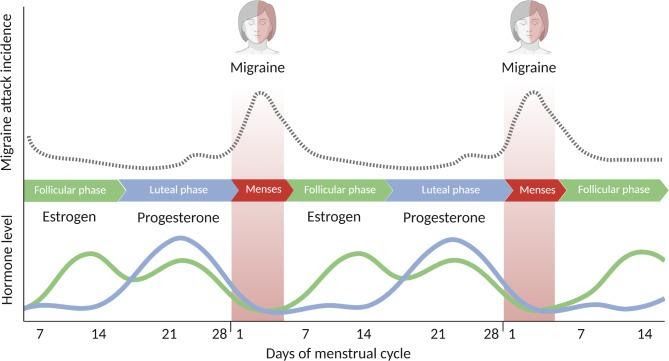
Hormonal migraines are incredibly common.
They often show up:
Before or during a menstrual cycle
During pregnancy or postpartum
During perimenopause
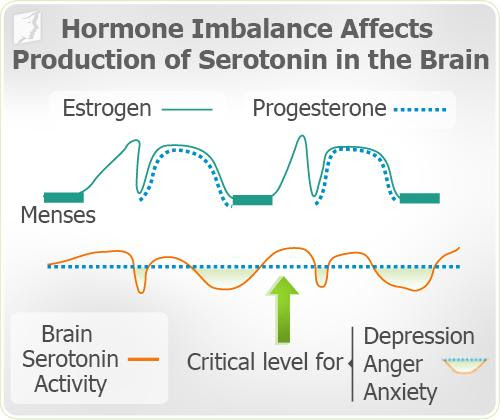
Estrogen fluctuations can influence:
Blood flow
Pain sensitivity
Brain signaling
But again…
Hormonal changes are normal.
So why do some people get migraines and others don’t?
Because hormones are often the trigger—not the root cause.
Dehydration and Migraines
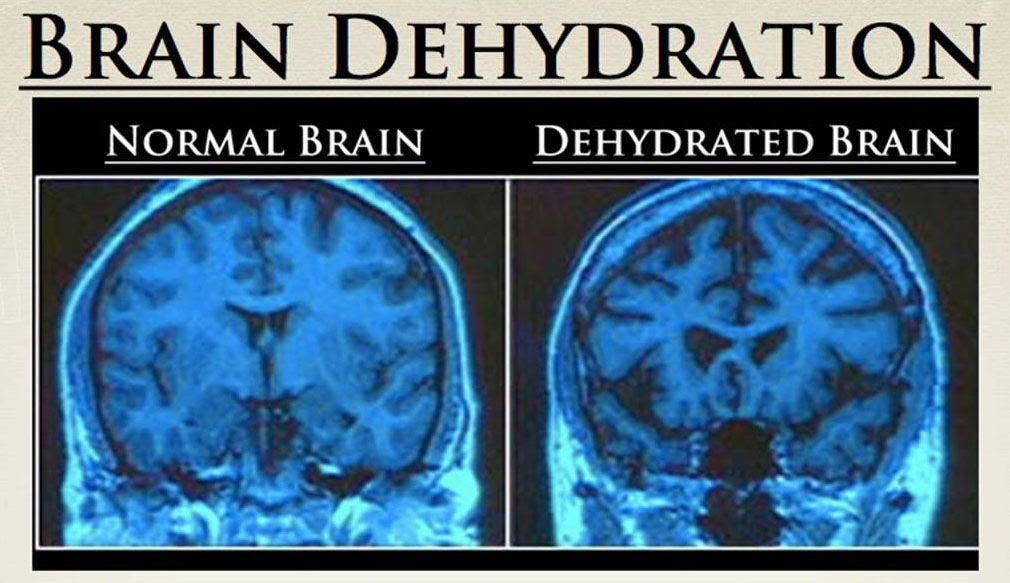
Your brain and nervous system rely heavily on proper hydration.
When you’re dehydrated:
Blood volume can decrease
Brain tissue becomes more sensitive
The body has to work harder to regulate itself
This can absolutely trigger a migraine.
But once again…
Not everyone who is dehydrated gets migraines.
Which brings us back to the same principle:
It’s not just the trigger—it’s how your body handles the trigger.
The Missing Piece: Your Nervous System Threshold
Imagine your body has a “tolerance threshold.”
Below the threshold → you feel fine
Above the threshold → symptoms appear
If your nervous system is already stressed, your threshold is lower.
So small things become big triggers:
A glass of wine → migraine
Hormonal shift → migraine
Slight dehydration → migraine
But the deeper issue is this:
Your system is already overloaded before the trigger even shows up.
Where That Overload Often Begins
1. The Neck, Brainstem, and Posture
At the base of your skull sits the brainstem—one of the most important control centers in your body.
Surrounding it are small muscles (suboccipitals) packed with neurological receptors.
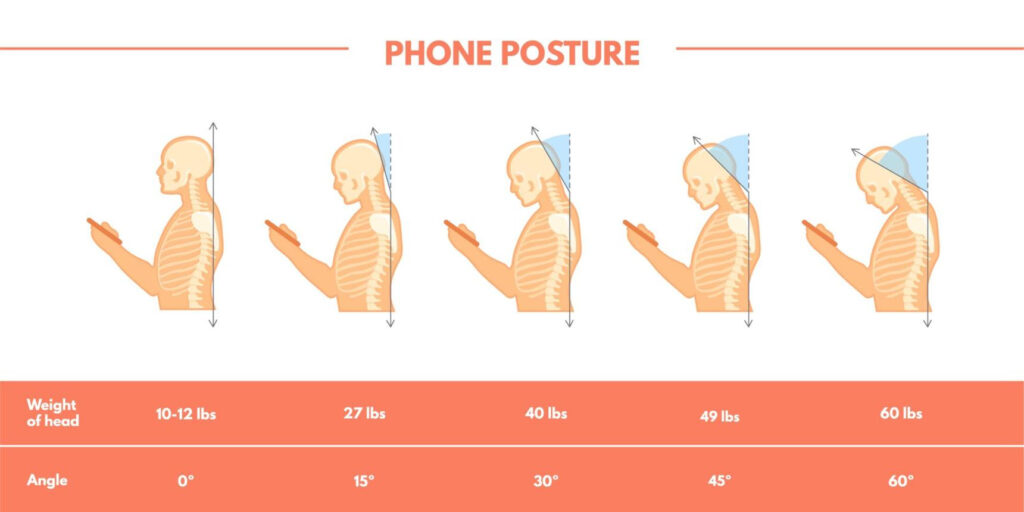
Now consider modern posture:
Phones
Laptops
Sitting for hours
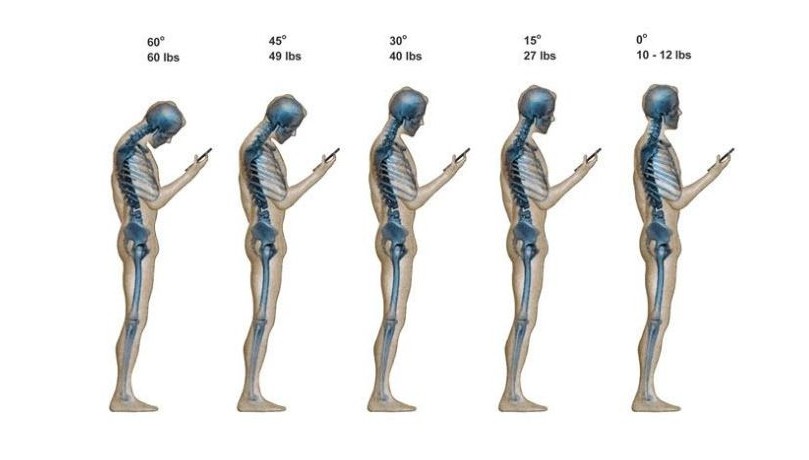
As your head moves forward, the load on your neck can increase from 10 pounds to up to 50 pounds.
This creates:
Constant muscle tension
Irritation to nearby nerves
Altered communication with the brain
Increased neurological stress
For many patients…
this is a major, overlooked driver of migraines.
2. Birth Stress and Early Life Patterns
This is something most people have never considered.
Stress on the upper neck can begin at birth.
Examples include:
Forceps or vacuum-assisted delivery
Cesarean sections (traction and pulling forces)
Prolonged or difficult labor
These early mechanical stresses can affect:
The upper cervical spine
Brainstem function
Nervous system development
Over time, the body adapts…
But those adaptations can create patterns that show up later in life as:
Headaches
Migraines
Sensitivity to stress
3. Accumulated Life Stress
Over the years, your body builds patterns from:
Sports injuries
Car accidents
Falls
Repetitive posture stress
Emotional stress
Individually, these may seem small.
But collectively…
they raise the baseline stress on your nervous system.
Why Migraines Feel So Intense
Migraines are not just pain—they are sensory overload.
That’s why you may experience:
Light sensitivity
Sound sensitivity
Nausea
Visual disturbances
Your brain is struggling to filter input.
Instead of regulating signals…
everything gets amplified.
Why Medication Alone Isn’t Enough
Medication can:
Reduce pain
Calm symptoms temporarily
But it doesn’t:
Improve spinal function
Reduce neurological interference
Increase your body’s adaptability
So while it may help in the moment…
it doesn’t change the pattern.
A More Complete Approach
At Ptak Family Chiropractic, we look at the full picture.
Yes—triggers matter:
Food (including tyramine)
Hormones
Hydration
But we also address what makes those triggers matter:
Spinal mechanics
Nervous system function
Brain-body communication
Your overall adaptability
Because the goal is not just to avoid life…
It’s to handle life better.
What Patients Often Experience
When the nervous system begins to function more efficiently, many patients notice:
Fewer migraines
Reduced intensity
Less sensitivity to food triggers
Improved tolerance to hormonal shifts
Better hydration response
Increased energy and clarity
Not because triggers disappeared…
But because their body stopped overreacting to them.
A Real Patient Experience
“After 2 months of care, I am more in tune with my body, more balanced, back to doing jumping jacks and hiking 11 miles I haven’t had a migraine since starting care. ” – Jackie S.
That’s what happens when you move beyond symptom management and start changing the underlying pattern.
You Don’t Have to Keep Living This Way
If you’ve been told:
“Just avoid your triggers”
“Take this when it happens”
“It’s genetic”
Know this:
There is more to the story.
Your body is not randomly producing migraines.
It is responding to stress patterns that, in many cases…
can be addressed.
Take the First Step
If you’re ready to understand what’s really behind your migraines—and what can be done about it—we’re here to help.
We offer a no-charge consultation and examination to evaluate your specific situation and show you exactly what’s going on.
Ptak Family Chiropractic Call or text to schedule your visit (310) 473-7991.
Because migraines aren’t something you should just manage.
They’re something your body is trying to tell you, and we’re here to help you listen.
When someone walks into our office at Ptak Family Chiropractic and says, “I have sciatica,” my first thought isn’t about their leg.
It’s whether they actually have sciatica at all.
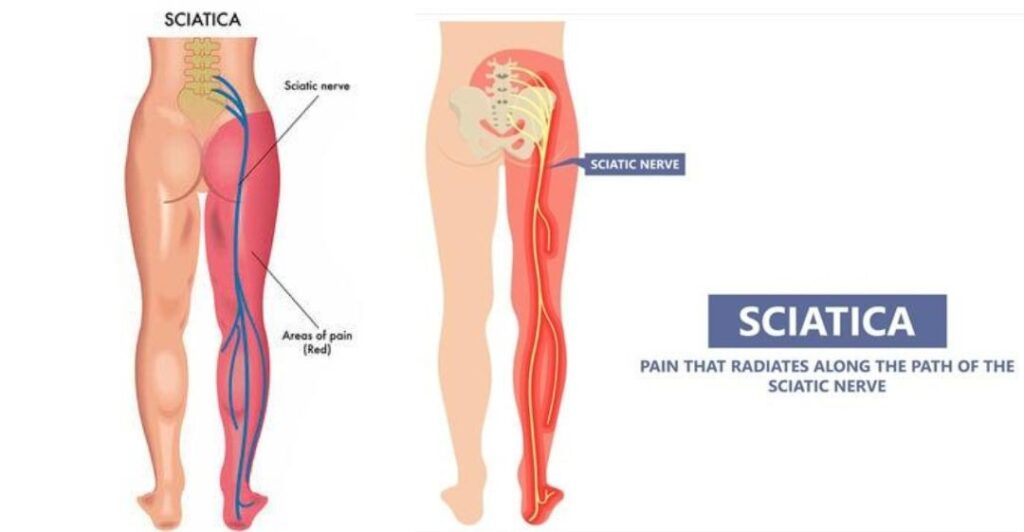
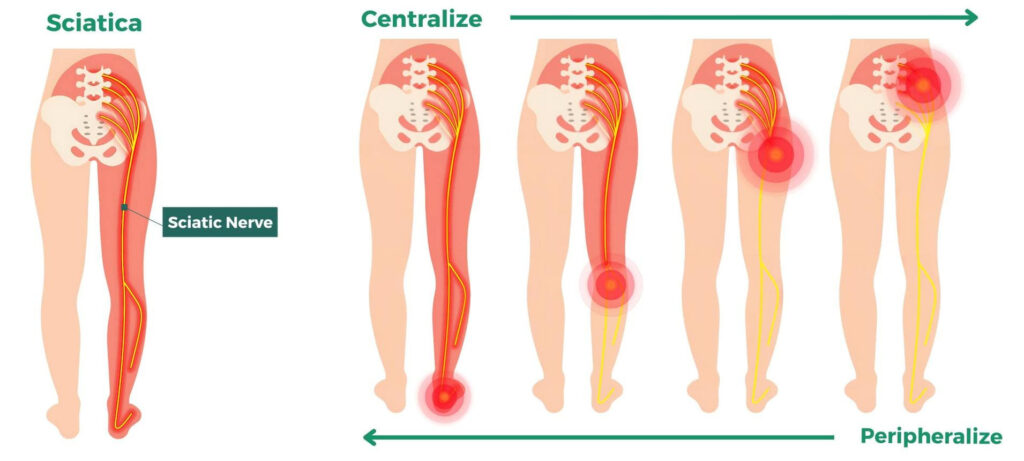
The term gets used so often that it has become a catch-all for any pain that travels down the leg. But true sciatica has a very specific pattern. It follows the path of the sciatic nerve and typically travels all the way down the leg, often into the foot.
If your pain stops at the knee, there’s a strong chance you’re dealing with something else entirely.
Conditions like SI joint dysfunction, piriformis syndrome, or general low back instability can all create leg pain that feels intense and convincing. But they are not the same thing, and that distinction matters.
Because how you approach care depends entirely on what is actually happening in your body.
The Damage You Don’t See Coming
Most people believe their sciatica started with a single moment.
A heavy lift. A twist. Getting out of the car the wrong way.
That moment may have been when the pain showed up. But it is almost never when the problem actually began.
What you are feeling is usually the result of accumulated stress over time.
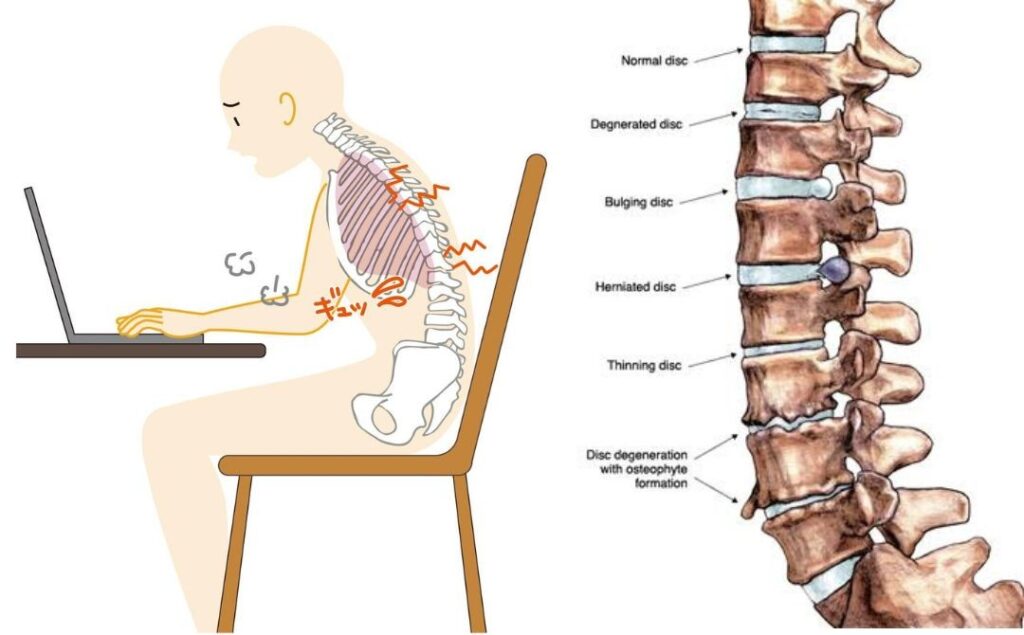
Years of sitting. Poor posture. Repetitive movement. Lack of proper spinal motion. Gradual disc changes. Subtle shifts in alignment.
Your body adapts to all of it quietly, until it can’t anymore.
When true sciatica develops, it is typically because something in the lower spine is creating pressure or irritation on the nerve roots that form the sciatic nerve.
This is the largest nerve in the body. When it becomes irritated, the symptoms can be sharp, burning, electric, and relentless.
And by the time you feel it, the process has usually been building for years.
Why Your Back Hurting Is Actually Good News
This is where many people get confused.
You start care. The pain in your leg begins to improve. But then your lower back starts to hurt.
It feels like things are getting worse.
They’re not.
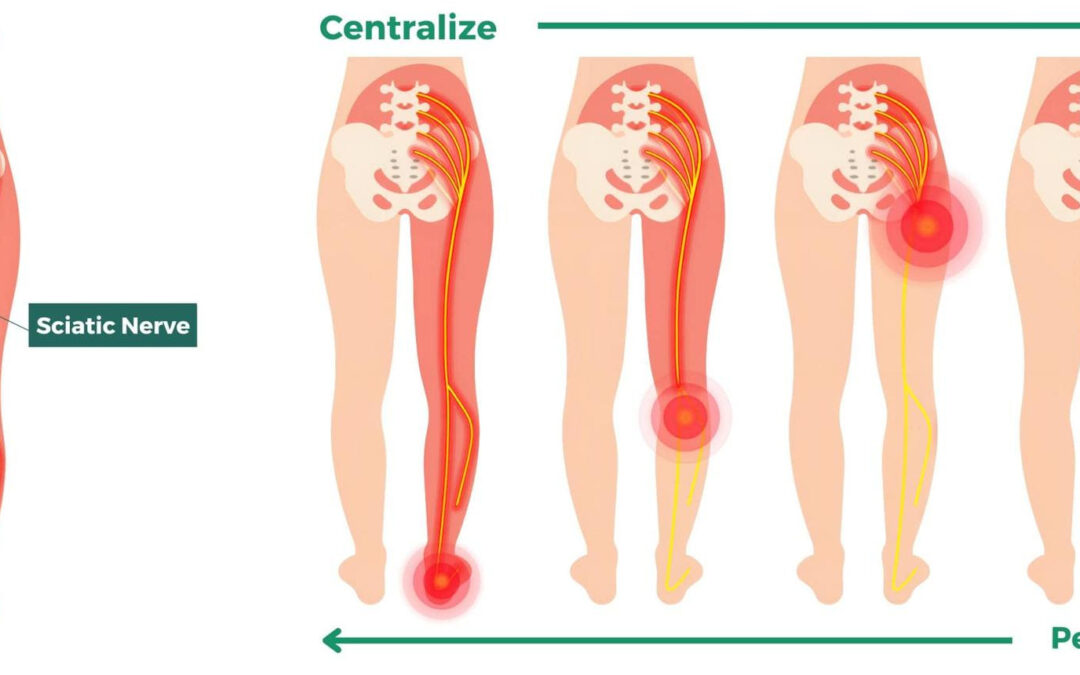
This is a process calledCentralization of Pain.
As pressure on the nerve decreases and your body begins to function more normally, the pain often “moves” back toward its source in the spine.
In other words, it retreats from the leg and returns to the lower back.
This is exactly what we want to see.
In fact, people who experience this shift tend to have better long-term outcomes because the problem is resolving at its origin rather than continuing to express itself further down the nerve.
The farther down the leg the pain travels initially, the more irritated the system tends to be.
When that pain begins to move upward, it is a sign your body is changing direction in a positive way.
This is why understanding the process matters. Without that understanding, it is easy to misinterpret progress as a setback.
The Timeline Nobody Wants to Hear:
Healing does not happen overnight.
If the problem has been building for years, it will take time to unwind.
With consistent chiropractic care, many people begin to notice meaningful changes within four to six weeks. Pain may reduce. Movement improves. Daily activities become easier.
But stabilizing those changes takes longer.
Your spine needs time to relearn how to move well. Muscles need to rebalance. Patterns that have been reinforced for years need to be retrained.
True correction is a process, not an event.
While many cases of sciatic-type pain may calm down on their own within several weeks, that does not mean the underlying issue has been resolved. Without addressing the cause, recurrence is common.
The goal is not just relief.
The goal is resilience.
What You Actually Need To Do:
Recovery happens in phases, and each phase matters.
In the beginning, the focus is on calming things down. That means avoiding prolonged sitting, moving in short and frequent intervals, and using ice or heat to manage discomfort.
As things improve, movement becomes more intentional.
Simple, specific exercises can help restore proper motion and reduce nerve irritation. In many cases, extension-based movements like those used in the McKenzie approach can be helpful when applied at the right time.
Timing is everything.
Too much too soon can aggravate the condition. Too little for too long can slow recovery.
Throughout the process, small changes make a big difference.
Stand more. Sit less. Walk frequently. Move with awareness.
In our office, we often combine chiropractic care with supportive therapies that help reduce inflammation and promote tissue recovery.
That is how the body regains its ability to function.
When You Need Medical Attention Instead
Not all cases should be managed conservatively.
There are certain symptoms that require immediate medical evaluation.
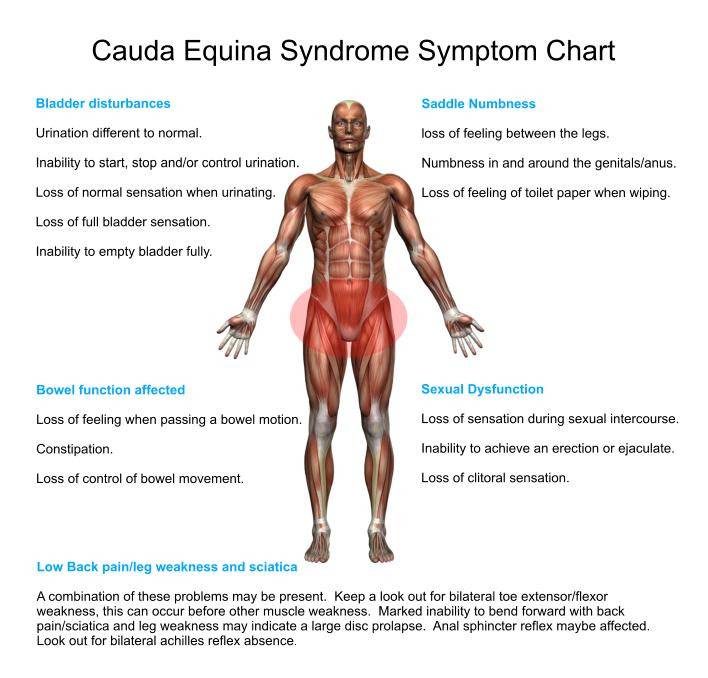
Loss of bowel or bladder control. Numbness in the inner thighs or saddle region. Rapid or severe neurological changes.
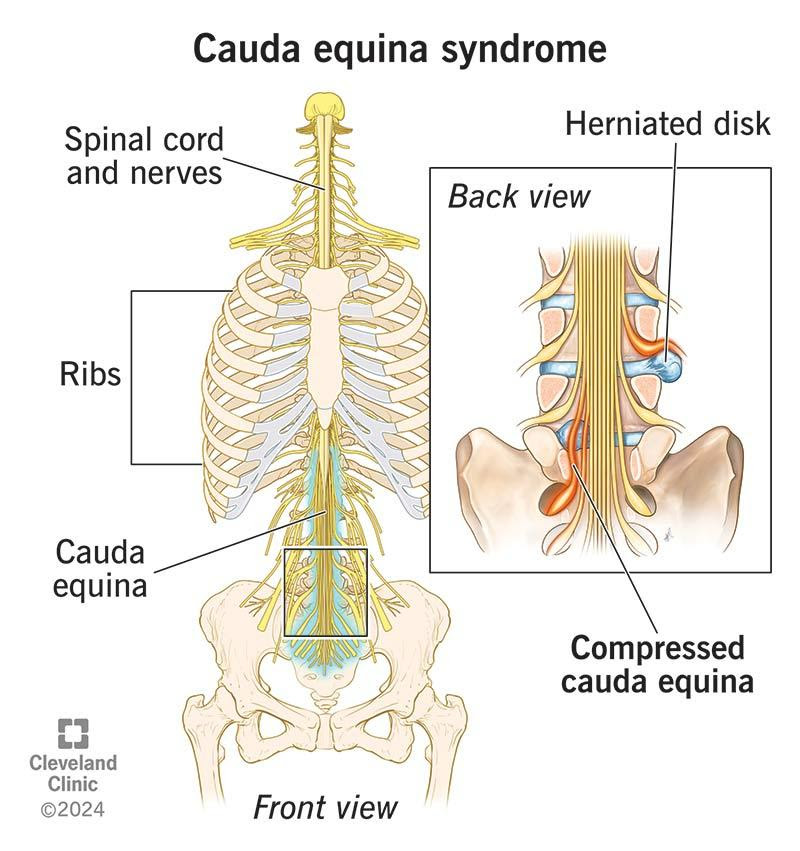
These may indicate a condition called cauda equina syndrome, which is a medical emergency.
If any of these are present, care should be sought immediately.
Why Waiting Makes Everything Harder
The most important thing to understand is this.
Time matters.
The longer you wait, the more your body adapts in the wrong direction.
Compensation patterns deepen. Inflammation builds. Movement becomes more restricted.
What could have been a relatively simple process becomes more complex.
We see it every day.
People wait, hoping it will go away. And sometimes it does, temporarily. But without addressing the underlying cause, it often returns.
And when it does, it tends to be worse.
Your body is incredibly adaptable. But it needs the right input at the right time.
Early intervention changes the trajectory.
Take the First Step Toward Lasting Relief.
If you are experiencing leg pain, do not assume you know what it is.
Find out.
At Ptak Family Chiropractic, we focus on identifying the true source of the problem and creating a plan that supports your body’s ability to heal, move, and function at a higher level.
Whether it is true sciatica or something that only feels like it, clarity is the first step.
And the sooner you take that step, the easier the path forward becomes.
Call our office today at 310-473-7991 and schedule your consultation and let’s find out what is really going on so you can get back to doing what you love.