Most parents have never heard of primitive reflexes.
Yet they play a foundational role in how a child’s brain develops, how their body moves, and how they learn, focus, and behave.
When these reflexes develop and integrate properly, they quietly set the stage for coordination, attention, emotional regulation, and academic success.
When they don’t, the effects can show up in ways that are often misunderstood.
What looks like ADHD, clumsiness, poor posture, or learning challenges may actually be rooted in something much earlier in development.
Primitive reflexes.
What Are Primitive Reflexes
Primitive reflexes are automatic movement patterns that are present at birth. They originate in the brainstem and are designed to help infants survive and begin interacting with their environment.
These reflexes guide early movements like sucking, grasping, turning the head, and reacting to stimuli.
As a child grows, higher centers of the brain begin to take over. These reflexes are meant to integrate, meaning they fade away and are replaced by more controlled, voluntary movement.
This process is one of the earliest and most important steps in neurological development.
If integration does not occur properly, the nervous system can remain in a more primitive, less efficient state.
And that affects everything built on top of it.
Why Primitive Reflexes Matter More Than You Think
Retained primitive reflexes can interfere with how the brain and body communicate.
This can show up as:
Difficulty sitting still Poor posture Trouble focusing Impulsivity Emotional sensitivity Challenges with reading and writing Coordination issues Sensory sensitivities
These are not random symptoms.
They are signals that the nervous system may not be developing as efficiently as it could.
When the foundation is unstable, everything built on top of it becomes more difficult.
The Major Primitive Reflexes and When They Should Integrate
Understanding a few key reflexes can help you recognize patterns in your child.
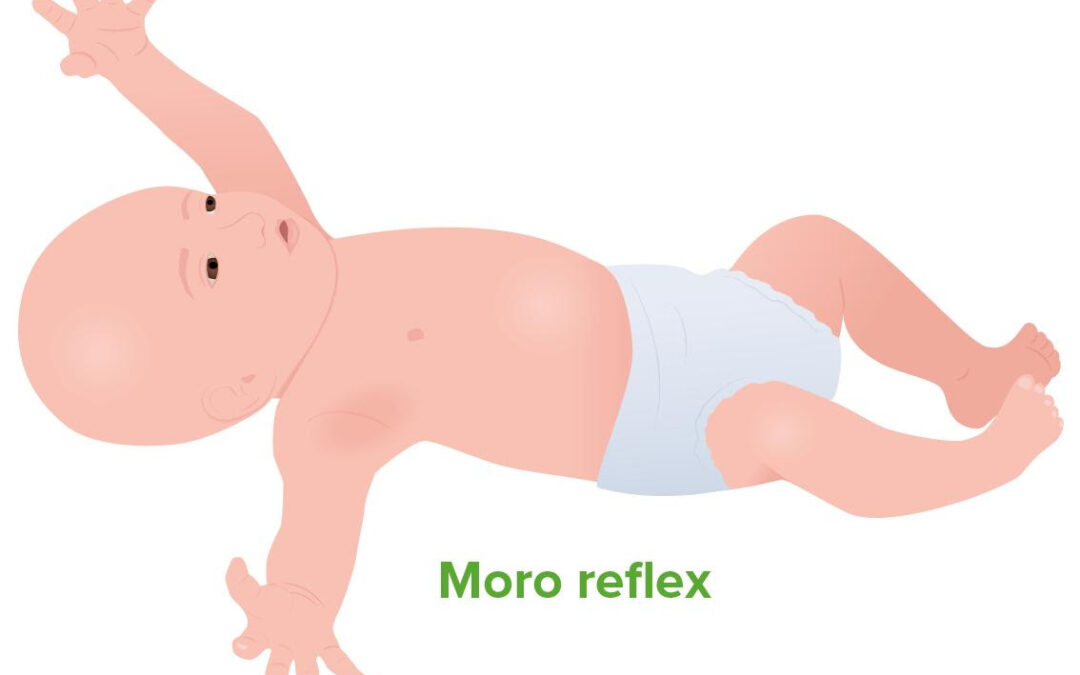
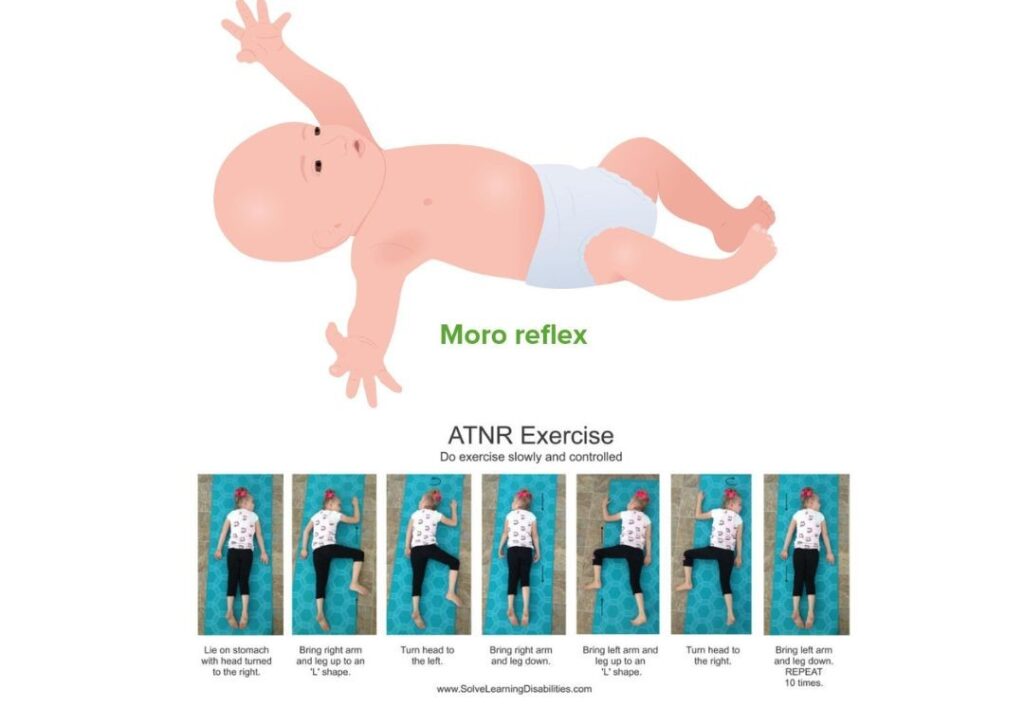
Moro Reflex (Startle Reflex) Present at birth Should integrate by 4–6 months
This reflex causes a sudden extension of the arms and legs in response to stimuli, followed by a contraction.
If retained, it may contribute to anxiety, emotional reactivity, difficulty handling stress, and hypersensitivity to sound or light.
These children often appear “on edge” or easily overwhelmed.
ATNR (Asymmetrical Tonic Neck Reflex) Present at birth Should integrate by 5–7 months
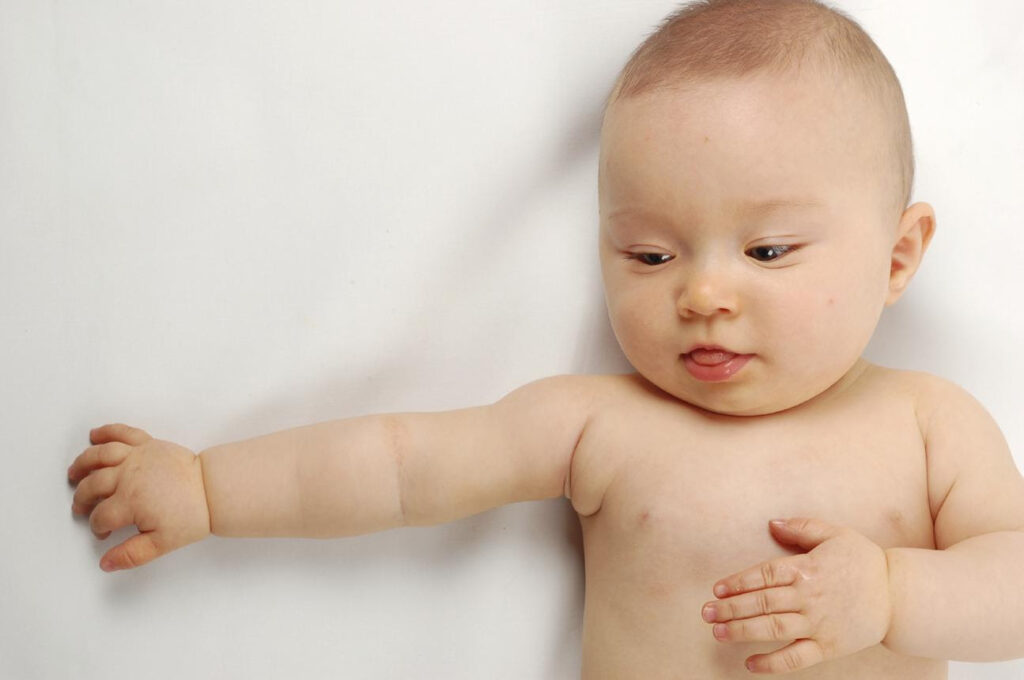
When the head turns to one side, the arm and leg on that side extend while the opposite side flexes.
If retained, it can interfere with crossing midline, which is essential for reading and writing.
Children may struggle with handwriting, tracking words across a page, or coordinating both sides of the body.
STNR (Symmetrical Tonic Neck Reflex) Develops around 6–9 months Should integrate by 9–11 months
This reflex helps a child transition from lying to crawling.
If retained, it can affect posture and sitting still. These children may slump, fidget constantly, or have difficulty maintaining attention at a desk.
TLR (Tonic Labyrinthine Reflex) Present at birth Should integrate by around 6 months
This reflex influences muscle tone based on head position.
If retained, it may lead to poor balance, coordination issues, motion sensitivity, and difficulty with spatial awareness.
Spinal Galant Reflex Present at birth Should integrate by 3–9 months
This reflex is activated when the lower back is stimulated.
If retained, it can contribute to fidgeting, poor sitting tolerance, bedwetting, and sensitivity to clothing around the waist.
What Happens If These Reflexes Remain
When primitive reflexes are retained, the brain is essentially working with interference.
Instead of smooth, coordinated communication, there are competing signals.
The body may react when it doesn’t need to.
The brain may struggle to filter input.
Energy that should be used for learning and focus is instead used for compensation.
This is why a child can be intelligent, capable, and trying hard, yet still struggle.
It is not a lack of effort.
It is a lack of integration.
How to Help Integrate Primitive Reflexes
The encouraging news is this.
The brain is adaptable.
With the right input, these reflexes can be reduced or integrated over time.
The key is specific, repetitive movement patterns that mimic early developmental stages.
Cross Crawl
Have your child touch their right elbow to their left knee, then alternate sides.
This improves coordination between both sides of the brain and supports integration of reflexes like ATNR.
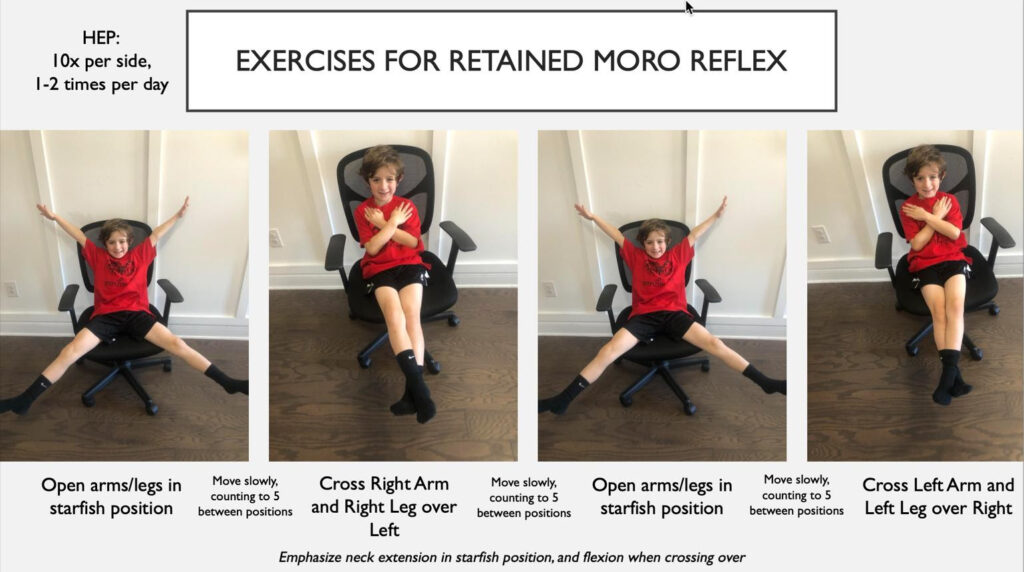
Starfish Exercise (for Moro Reflex)
Start curled up, then slowly extend arms and legs outward while breathing deeply, then return to a curled position.
This helps regulate the nervous system and reduce startle reflex sensitivity.
Rocking on Hands and Knees
Position your child on hands and knees and gently rock forward and backward.
This mimics early developmental movement and supports integration of STNR.
Superman Hold
Lift arms and legs while lying face down and hold steady.
This strengthens postural muscles and improves body awareness.
Snow Angels (on Floor)
Lying on the back, move arms and legs in a slow, controlled pattern like making a snow angel.
This supports coordination and full-body awareness.
Why Consistency Is Everything
These exercises are not quick fixes.
They are inputs.
And the brain changes through repetition.
Done occasionally, they help.
Done consistently, they can create meaningful improvements in focus, behavior, coordination, and learning.
A Different Way to Look at Your Child’s Challenges
At Ptak Family Chiropractic, we view these patterns through a neurological lens.
The body and brain are not separate.
Movement, posture, and spinal function all influence how the brain processes information and how a child experiences the world.
When we improve the foundation, everything else has the opportunity to improve as well.
This is not about labeling your child.
It is about understanding them.
Helping Your Child Reach Their Potential
If your child is struggling with focus, coordination, behavior, or learning, there is always a reason.
And there is always a path forward.
When we identify what may be interfering with development and apply the right strategies, we can help the brain and body work together more effectively.
If you would like help understanding what may be affecting your child and what steps you can take, we are here for you.
Call our office or schedule a consultation today.
Let’s help your child build the foundation they need to grow, learn, and thrive. (310) 473-7991.
When a child struggles with focus, behavior, learning, or social interaction, most people immediately think of attention.
But what if attention isn’t the real problem?
What if the challenge is how the brain is developing and communicating?
Children labeled with ADHD are often bright, creative, and full of potential. The issue is not intelligence. It is how well different parts of the brain are working together.
Modern neuroscience continues to show that many of these challenges are linked to immature or underdeveloped neural connections. Certain areas of the brain may not be communicating efficiently, which can affect focus, behavior, emotional regulation, and learning.
This can show up as difficulty concentrating, impulsivity, frustration, poor coordination, trouble sitting still, or struggles in school.
The most important thing to understand is this.
The brain is not fixed.
It is adaptable.
It can change and improve when given the right input.
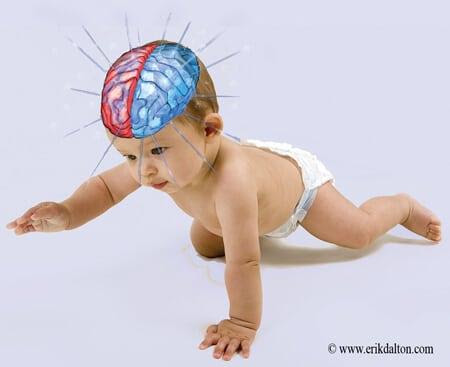
Movement Is Brain Development
Movement is not just physical.
It is neurological.
Every movement a child makes sends information into the brain. That input helps organize, strengthen, and refine neural pathways.
This is why telling a child to “sit still and focus” can actually work against development.
The brain builds through movement.
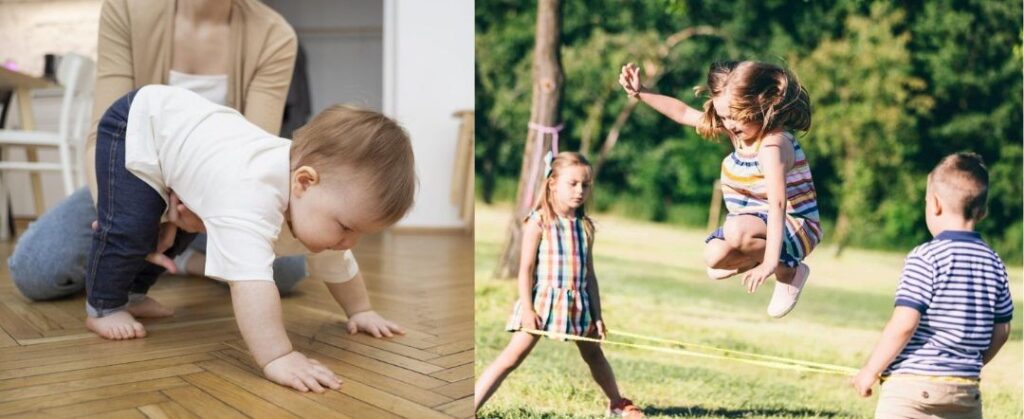
Especially movements that involve coordination, balance, rhythm, and crossing the midline of the body.
When these types of movements are missing or underdeveloped, the brain may not receive the input it needs to mature properly.
The Missing Link: Primitive Reflexes
There is another critical piece that is often overlooked in children with ADHD and learning challenges.
Primitive reflexes.
These are automatic movement patterns present at birth. They are essential for survival and early development, helping infants interact with their environment before conscious control is established.
As the brain matures, these reflexes are supposed to integrate, meaning they fade away and are replaced by more advanced, voluntary movement patterns.
But sometimes, they do not fully integrate.
When primitive reflexes remain active beyond early childhood, they can interfere with how the brain and body communicate.
This can contribute to:
Difficulty sitting still Poor posture and coordination Trouble focusing or following instructions Emotional reactivity Challenges with reading and writing Sensory sensitivities
For example, a retained Moro reflex, often called the startle reflex, can keep a child in a constant state of alertness. This makes it difficult to relax, regulate emotions, and maintain focus.
A retained ATNR reflex can interfere with crossing midline, which is essential for reading, writing, and coordinated movement.
This is where movement-based exercises become powerful.
They are not random.
They are designed to help integrate these reflexes and support more mature brain function.
When the foundation improves, everything built on top of it becomes easier.
Four Brain-Building Exercises You Can Do at Home
These exercises stimulate different parts of the brain and help improve coordination, awareness, and control.
They are simple, but when done consistently, they can be very effective.
Aerobic Activation: Jumping Jacks
Perform 20 jumping jacks followed by 15 seconds of rest. Complete 3 rounds.
Challenge: Perform with eyes closed.
This improves coordination between both sides of the brain and helps regulate energy and attention.
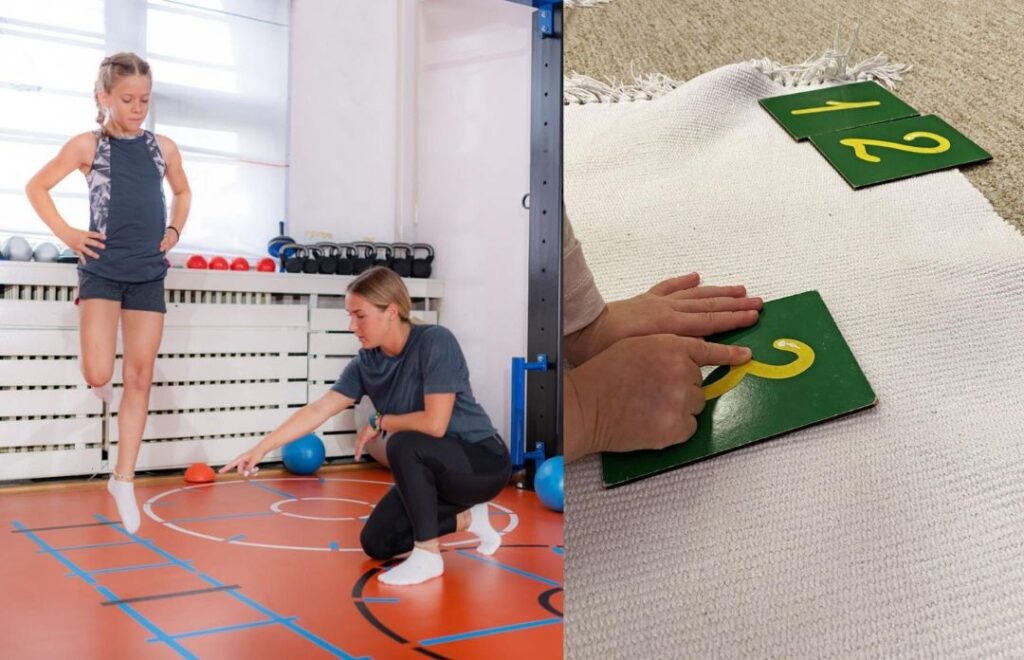
Proprioceptive Stability: Superman
Lie face down with arms extended. Lift one arm and the opposite leg and hold for 15 seconds. Switch sides.
Challenge: Lift all four limbs and hold steady.
This strengthens core stability and improves body awareness, which supports posture and focus.
Tactile Awareness: Number Tracing
With eyes closed, trace numbers on your child’s palm and have them identify each number.
Challenge: Trace multiple numbers in sequence.
This enhances sensory processing and the brain’s ability to interpret input without relying on vision.
Cognitive Control: Contrasting Commands
When you raise one finger, your child raises two. When you raise two, they raise one.
Use a random sequence and repeat multiple times.
This builds impulse control, attention, and executive function.
Why Consistency Changes Everything
The power of these exercises is not in doing them once.
It is in doing them consistently.
The brain develops through repetition. Each time these pathways are activated, they become stronger and more efficient.
Small, daily inputs create meaningful change over time.
A Different Approach to ADHD
At Ptak Family Chiropractic, we take a whole-child approach.
The brain and body are deeply connected. Movement influences brain function. Brain function influences behavior, learning, and emotional regulation.
When we improve how the body moves and how the nervous system communicates, we create the conditions for the brain to develop more fully.
This is not about masking symptoms.
It is about addressing the foundation.
Helping Your Child Build a Stronger Future
If your child is struggling with focus, behavior, or learning challenges, there is always a reason.
And more importantly, there is always potential for change.
When we understand how the brain develops and support it properly, we give children the opportunity to grow, adapt, and thrive.
If you would like to better understand what may be affecting your child and what steps you can take, we are here to help.
Call our office or schedule a consultation today. (310) 473-7991.
Let’s build a stronger foundation for your child’s focus, learning, and life.
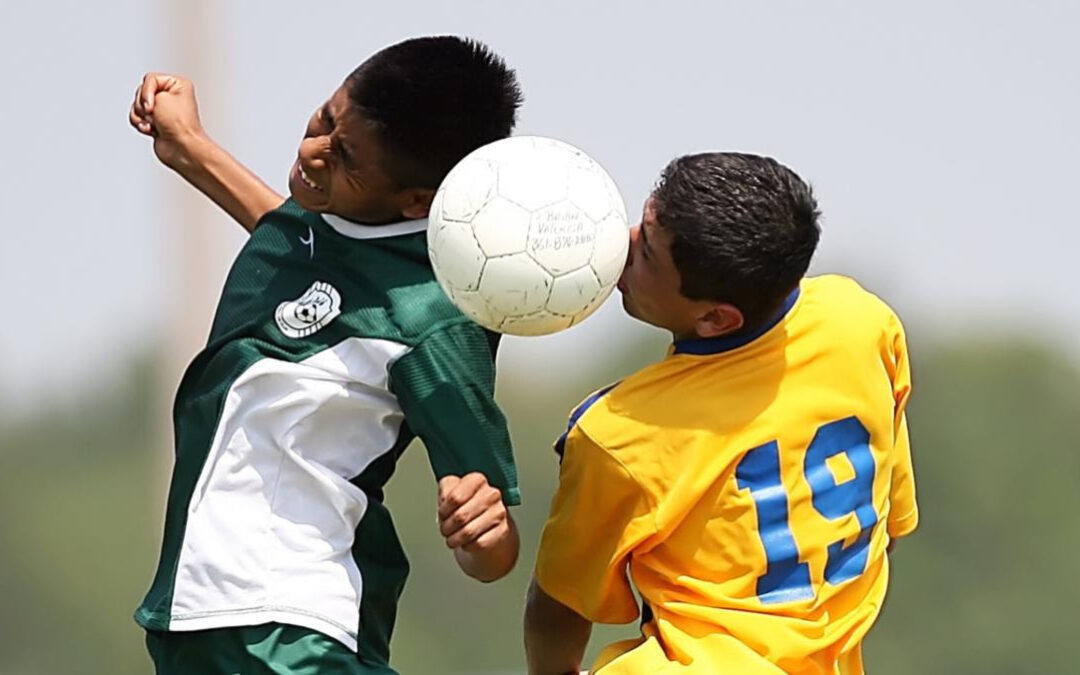
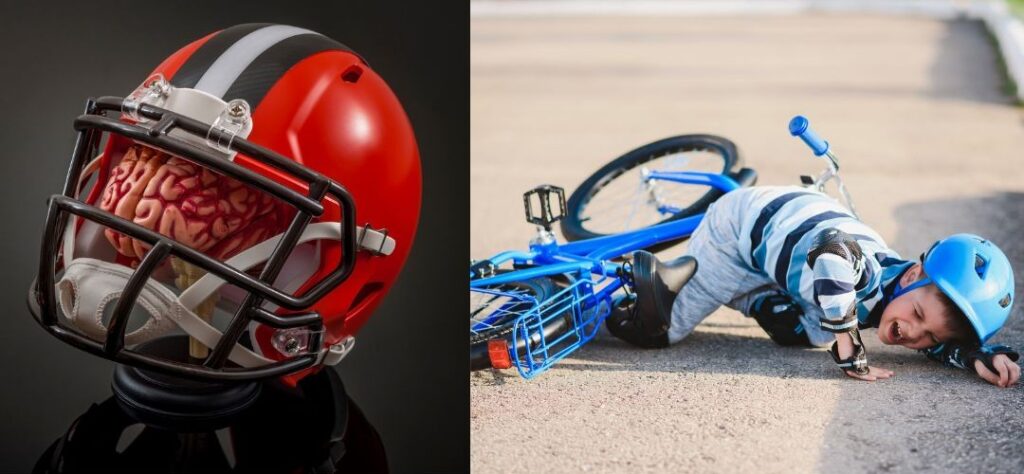
It happens in youth sports. It happens in car accidents. It happens at work. It happens at home. And it affects people of every age.
At Ptak Family Chiropractic in Santa Monica, we see the full spectrum every single day.
A child who took a hit in a soccer game and now struggles to focus in school. A teenager after a football collision who just “isn’t themselves.” An adult rear-ended at a stoplight dealing with headaches and brain fog. A worker who hit their head and can’t think clearly or perform the same. A parent who slipped at home and now feels dizzy and off-balance. A senior who fell and never quite regained their stability or confidence.
Different stories. Same underlying problem:
A disruption in the brain’s ability to communicate with the body.
And unless that communication is restored, healing is incomplete.
What a Concussion Really Does to the Brain
A concussion is not just a bruise.
It is a neurological disruption.
When the head experiences force, whether from impact, acceleration, or rotation, the brain’s communication pathways are affected.
This leads to:
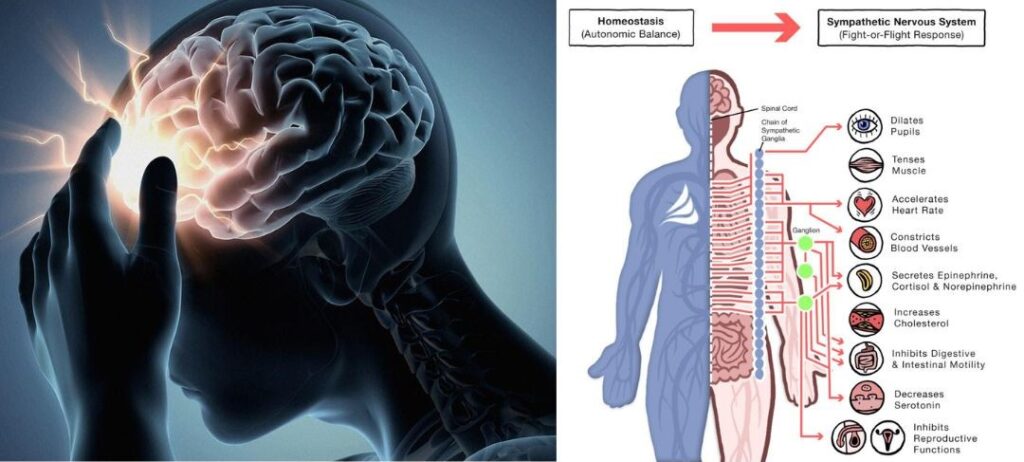
Disrupted signaling between brain cells Altered brain chemistry and energy production Imbalance in the autonomic nervous system Stress on the brainstem and upper cervical spine
This is why symptoms can look so different from person to person:
Trouble focusing in school Irritability or emotional shifts Fatigue or withdrawal Changes in coordination or performance
In adults and seniors:
Persistent headaches Memory challenges Balance issues Loss of confidence or independence
These are not random.
They are neurological.
Why Rest Alone Often Isn’t Enough
Rest is important, but it is not the solution.
Rest does not restore:
Brain-body communication Neurological coordination Accurate sensory input
This is why so many people, kids and adults alike, feel stuck.
They’ve been told to rest. They’ve been told to wait. But they still don’t feel right.
Time alone does not correct a dysfunctional nervous system.
The Missing Link: The Brain–Spine Connection
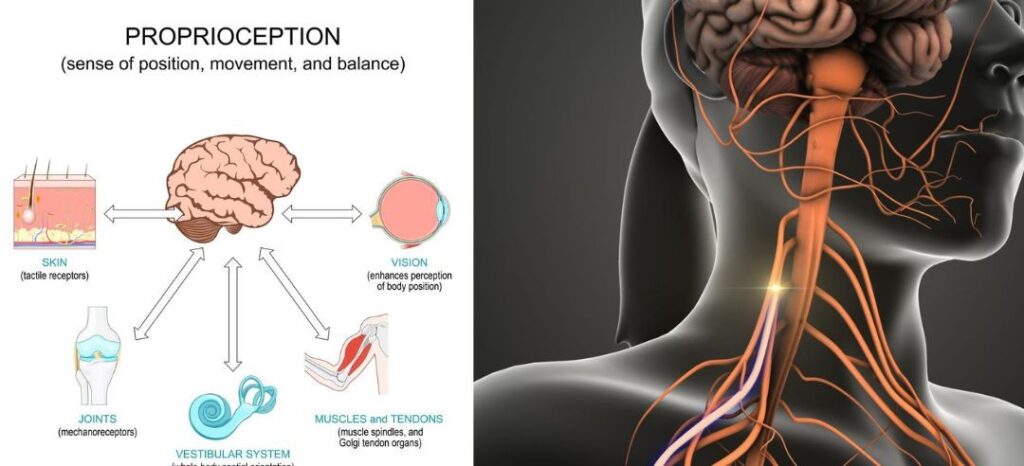
The brain depends on input from the body—especially from the upper cervical spine.
This area is essential for:
Balance and coordination Spatial awareness (proprioception) Blood flow and cerebrospinal fluid movement Regulation of the autonomic nervous system
After a concussion, this system is often distorted or overwhelmed.
If that connection is not restored, the brain cannot recalibrate.
That’s why symptoms persist, even when tests come back “normal.”
The Ptak Family Chiropractic Approach: Restoring Function, Not Chasing Symptoms
At Ptak Family Chiropractic, we take a different approach.
We don’t focus on symptoms.
We focus on restoring neurological function.
Our system is designed to rebuild the brain-body connection so healing can occur naturally.
Neurological Activation First
We activate and organize the nervous system before any adjustment.
This prepares the brain to process input more effectively.
Precise Cervical Correction
We use gentle, targeted adjustments to restore motion and alignment, especially in the cervical spine.
This reduces stress on the brainstem and improves communication.
Disc Hydration and Mechanical Support
Through specific movement-based protocols, we:
Improve disc hydration Reduce mechanical strain Support long-term neurological efficiency
Repetition Builds Recovery
Healing requires consistent input.
Over time, the nervous system relearns:
Balance Coordination Clarity Regulation
This is not temporary relief.
This is true recovery.
Why This Matters for Every Age Group
Concussions affect people differently, but the impact can be life-changing at any age.
For children:
It can affect learning, behavior, and development.
For teenagers:
It can impact performance, confidence, and future injury risk.
For adults:
It can disrupt work, focus, and daily life.
For seniors:
It can affect balance, independence, and overall safety.
No matter the age or cause, the principle remains the same:
The brain heals when it receives the right input.
The Truth About Concussion Healing
Healing is not passive.
It is not just time.
It is function.
If the nervous system remains disrupted, symptoms can persist for months—or even years.
But when communication is restored:
The brain recalibrates The body stabilizes Symptoms resolve Confidence returns
When Should You Take Action
If your child has taken a hit and “just isn’t the same” If you’ve been in a car accident and still feel off If you’ve had a fall or injury and are dealing with lingering symptoms
Do not wait.
Early, targeted care makes all the difference.
Santa Monica’s Authority in Concussion Recovery
At Ptak Family Chiropractic, this is what we do.
We combine decades of experience with a neurological, corrective care approach that addresses the root cause.
We help people of all ages, from young children to seniors, recover fully and regain their lives.
Not by masking symptoms.
But by restoring function.
Ready to Get Your Brain Back?
If you or someone you love is struggling… If something doesn’t feel right… If you want real answers and real results…
Call Ptak Family Chiropractic today to schedule your consultation. (310) 473-7991
If you are a parent, you want the best for your child. You want them to be active. You want them to be engaged. You want them to develop confidence, discipline, and skills that will serve them for life.
So you say yes. Yes to tennis on Monday. Yes to gymnastics Tuesday, Thursday, and Saturday. Yes to ballet on Wednesday. Yes to piano lessons on Sunday, with practice every day in between.
It feels like you are giving them opportunity. And in many ways, you are.
But there is a side of this that very few parents are being told.
Because while your child is growing, their body is also adapting. And adaptation, when repeated often enough, becomes structure.
From the outside, everything looks positive. Your child is active. They are involved. They are building skills. But underneath the surface, something else may be happening.
Repetition without balance creates stress. Too much sitting combined with intense activity creates imbalance. Constant activity without recovery creates fatigue in the nervous system. And the body adapts to all of it, not by resisting it, but by changing.
Arthritis does not begin at 50. It begins with patterns that start much earlier.
Movement is essential for a healthy joint. Every time your child moves, their joints draw in nutrients, release waste, and send signals to the brain. This is how the body stays balanced and coordinated.
But when movement becomes repetitive, limited, or unbalanced, those signals begin to change.
At first, it is subtle. Tightness. Fatigue. Postural changes. Nothing that seems serious.
But over time, these patterns can lead to compensation, imbalance, early degeneration, and subluxation.
Subluxation is when a joint is not moving or functioning properly, interfering with how the nervous system communicates with the body. This is where the process begins. Not with pain, but with dysfunction.
Today’s kids are not less active. They are differently stressed.
They are sitting more than ever. They are on devices more than ever. They are training harder than ever. And they are recovering less than ever.
This combination creates a perfect storm.
Periods of inactivity followed by bursts of repetitive stress, day after day, week after week, year after year.
The body adapts to whatever it experiences most. And those adaptations become the foundation for future health or future problems.
This is not about pulling your child out of activities. It is about awareness. It is about balance. It is about understanding that more is not always better.
Because without the right support, even good activities can create stress on a developing body.
The goal is not to limit your child. The goal is to support how their body adapts to everything they are doing.
At Ptak Family Chiropractic, we see this every day. Children adapting to the demands placed on them. Some adapting well. Others showing early signs of imbalance, restriction, and stress in their spine and nervous system.
The difference is not the child. It is the awareness and the support.
When you support your child’s movement, posture, and nervous system early, you change the trajectory. You help their body adapt in a healthier way. You reduce the likelihood of long-term patterns leading to degeneration. You give them an advantage that most people do not get until much later in life.
Your child’s body is not fragile. It is incredibly intelligent. But it is always adapting.
The question is not whether your child is adapting.
The question is what they are adapting to.
Because the patterns being built today will shape how their body functions tomorrow.
If your child has a busy schedule, spends time on devices, or you simply want to be proactive about their long-term health, this is the time to take a closer look.
At Ptak Family Chiropractic, we specialize in helping children and families improve movement, function, and long-term health.
Call 310-473-7991 today and ask how we can support your child’s development and well-being.
Because the patterns that shape their future are happening right now.
If you have been diagnosed with arthritis, you were likely told some version of this. It is wear and tear. It comes with age. It is something you will have to manage. But what if that is not the full story?
What if arthritis is not the beginning of decline, but the result of patterns that have been building for years?
Because arthritis does not begin when you feel pain, and it does not begin when you get older. It begins much earlier.
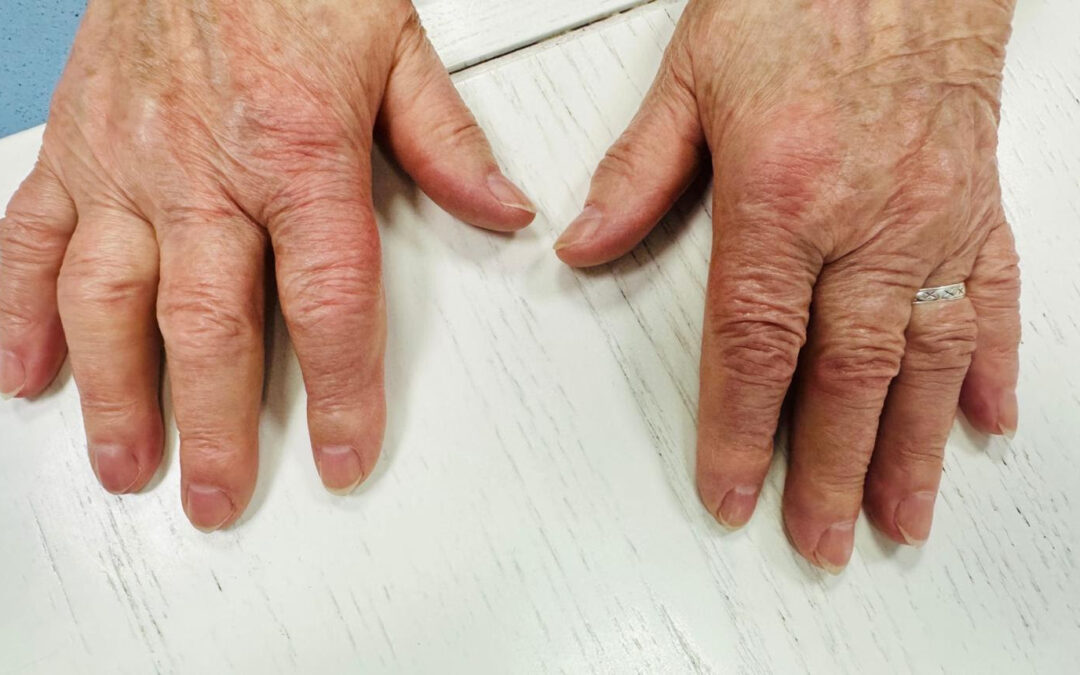
To understand arthritis more clearly, we need to look at what it really is. There are two primary categories people are diagnosed with. Osteoarthritis and autoimmune arthritis. They share a name, but they are very different processes.
Osteoarthritis is often described as wear and tear, but that explanation is incomplete. Your body does not simply wear out. It adapts. When joints are not moving properly, when there is restriction, imbalance, or repetitive stress, the forces through that joint begin to change. Pressure becomes uneven. Motion becomes altered. Inflammation begins. Over time, this leads to degeneration.
Autoimmune arthritis, such as Rheumatoid Arthritis, follows a different path. In these cases, the immune system mistakenly attacks the body’s own tissues, creating inflammation and damage within the joints. But even here, the joints are not acting alone. The immune system is closely connected to the nervous system, and that connection changes everything.
Whether you are dealing with osteoarthritis or autoimmune arthritis, there is one system that connects them both. The nervous system.
Every joint in your body is constantly communicating with your brain. Movement is not just mechanical. It is neurological. When a joint moves properly, it sends clear, accurate signals to the brain. This supports coordination, balance, muscle function, and even how your body regulates inflammation. When motion is restricted, those signals change. Over time, that changes how your body moves, how it compensates, and how it functions.
One of the most important truths about arthritis is this. It does not start with pain. It starts with patterns.
Movement is essential for joint health. Every time a joint moves, it draws in nutrients, pushes out waste, and stimulates the nervous system. But when movement is reduced, even for short periods, things begin to change.
Within days to weeks, reduced motion can lead to decreased fluid exchange, increased stiffness, and altered neurological communication. Over time, this leads to compensation patterns, chronic imbalance, early degeneration, and subluxation.
Subluxation is when a joint is not moving or functioning properly, interfering with how the nervous system communicates with the body. This is where arthritis truly begins. Not with pain, but with dysfunction.
At Ptak Family Chiropractic, we are seeing early signs of degeneration in patients as young as 13 years old. That would have been rare decades ago. But today’s environment has changed.
People are sitting more, moving less, spending hours on devices, repeating the same movements daily, and living in constant stress. The body adapts to whatever it is exposed to most. And over time, those adaptations become structure.
The same patterns that create stiffness in your teens become arthritis later in life.
Did You Know Fun Facts Instagram Post – 7
Here is what most people are never told. The body has the ability to change.
When the right inputs are introduced consistently, structure and function can improve.
At Ptak Family Chiropractic, we utilize a comprehensive corrective care approach designed to restore motion, improve neurological communication, and support long-term structural change.
This includes specific chiropractic adjustments combined with wobble chair exercises to promote motion and disc hydration, cervical dynamic traction to improve alignment, fulcrum exercises to support spinal structure, head weighting to retrain posture, body weighting systems to improve balance and neurological input, and hydration strategies to support disc health.
These are performed both in-office and at home, often twice per day.
Over time, we have seen measurable improvements in disc spacing, joint function, posture, and movement patterns. Not overnight, but through consistency.
This is where chiropractic care changes the trajectory. Not by masking symptoms, but by restoring function.
When motion improves, joint stress becomes more balanced, muscles function more efficiently, and neurological communication improves.
In osteoarthritis, this can help reduce abnormal wear and improve movement. In autoimmune conditions, chiropractic care does not treat the disease itself, but it supports the nervous system, helping the body regulate and adapt more effectively.
Patients often experience improvements in pain, mobility, energy, sleep, and overall quality of life.
You are not your diagnosis. Your body is not breaking down. It is adapting. And when you change the inputs, you change the outcome.
Too often, people are told to wait, to manage, to accept limitation. But there is another path. A path focused on function over symptoms, cause over condition, and restoration over resignation.
Whether you are 13 or 73, it is never too early and it is never too late.
If you have been diagnosed with arthritis or are beginning to notice stiffness, tension, or reduced mobility, this is your opportunity to take control of your health.
At Ptak Family Chiropractic, we specialize in helping people restore motion, improve function, and support their body’s natural ability to heal.
Call 310-473-7991 today and ask how our corrective care approach can help you move better, feel better, and live with greater ease.
Because arthritis may be part of your story, but it does not have to define it.