Walk through any grocery store or scroll through social media, and you’ll hear endless advice about carbohydrates.
“Cut the carbs.”
“Count your carbs.”
“Go low-carb.”
“No carbs after 6 PM.”
It’s no wonder so many people feel confused.
But what if we’ve been asking the wrong question?
Instead of asking…
“How many carbohydrates should I eat?”
A better question is…
“What kind of carbohydrates am I eating?”
That one simple shift changes everything.
Not All Carbohydrates Are the Same
Carbohydrates are your body’s preferred source of energy. Your brain, muscles, and many organs rely on them every day.
The goal isn’t to avoid carbohydrates.
The goal is to choose carbohydrates that work with your body instead of against it.
Nature already figured this out.
Whole foods package carbohydrates together with fiber, water, vitamins, minerals, and plant nutrients. That natural combination slows digestion, provides lasting energy, and helps your body regulate blood sugar more effectively.
Highly processed foods often remove much of that natural packaging. Fiber is stripped away, sugars and refined starches become more concentrated, and the result is food that’s easier to overeat while offering less nutritional value.
Think About the Original Ingredient
Here’s a simple exercise.
When you pick up a food, ask yourself:
“Does this still look like the food it originally came from?”
An apple still looks like an apple.
A sweet potato still looks like a sweet potato.
Oats still look like oats.
Beans still look like beans.
The farther food moves away from its natural form, the more processing it has typically undergone. While processing isn’t always bad, heavily processed foods often contain added sugars, refined grains, excess sodium, and unhealthy fats that can make it harder to maintain steady energy and good health.
Build Meals That Work for You
Rather than focusing on what to eliminate, focus on what to include.
Fill your plate with foods such as:
• Colorful vegetables
• Fresh fruits
• Beans and legumes
• Whole grains like oats, quinoa, and brown rice
• Nuts and seeds
• Lean proteins
• Healthy fats like avocados and olive oil
Combining carbohydrates with protein, healthy fats, and fiber can help you feel fuller longer and promote steadier blood sugar throughout the day.
Why Quality Matters
When meals are built primarily from whole, minimally processed foods, many people experience meaningful changes.
They often notice:
• More consistent energy
• Fewer afternoon crashes
• Reduced cravings
• Better digestion
• Improved concentration
• Easier weight management
• Better long-term metabolic health
These benefits don’t happen because one food is “magic.”
They happen because your body is receiving the nutrients it was designed to use.
Forget Perfection
Healthy eating isn’t about never enjoying dessert or avoiding every slice of pizza.
It’s about what you do most of the time.
Every meal is simply another opportunity to make a choice that supports your health.
Small improvements repeated consistently are far more powerful than short-lived, extreme diets.
Better Questions Create Better Health
At Ptak Family Chiropractic, we believe lasting health begins with better questions.
Instead of asking…
“How many carbs can I eat?”
Try asking…
“How can I nourish my body today?”
That question naturally leads to better choices.
And better choices, repeated over days, months, and years, create remarkable results.
Your body is always listening to what you feed it.
Choose foods that help it thrive.
Because better choices create better health.
And better questions create better lives.
Ask the Doctor
Nutrition doesn’t have to be confusing.
If you’ve tried diet after diet, counted every calorie or carb, and still don’t feel your best, it may be time to stop chasing quick fixes and start building lasting habits that support your health.
At Ptak Family Chiropractic, we believe better health comes from making better choices one meal, one habit, and one day at a time. While no single food is a cure-all, nourishing your body with whole, nutrient-rich foods is one of the greatest investments you can make in your future.
If you have questions about nutrition, inflammation, healthy living, or how your nervous system and lifestyle work together to influence your health, we’d love to help. Ask us at your next visit, give our office a call, or stop by and say hello.
Your body is always listening to the choices you make. Feed it well, move it often, care for it consistently, and it will often reward you in remarkable ways.
Practical Tips to Protect Your Feet, Knees, Hips, Neck, and Back During Long Summer Days
Summer is here.
Families across the country are heading to Disneyland, Universal Studios, Knott’s Berry Farm, Six Flags, water parks, county fairs, festivals, and amusement parks of every kind.
Most people prepare for the crowds.
Most people prepare for the heat.
Most people prepare for the long lines.
What many people don’t prepare for is the physical stress that comes with spending an entire day on their feet.
By the end of the day, many visitors are dealing with:
Aching feet
Sore knees
Tight hips
Stiff necks
Low back pain
Exhaustion
The truth is that a single day at a theme park can place more physical stress on your body than an average work week.
Many visitors walk 15,000–25,000 steps in a single day while standing in lines, carrying backpacks, pushing strollers, lifting children, and navigating hot summer weather.
Fortunately, a little preparation can make a tremendous difference.
Let’s look at some simple ways to enjoy the memories without paying for them tomorrow.
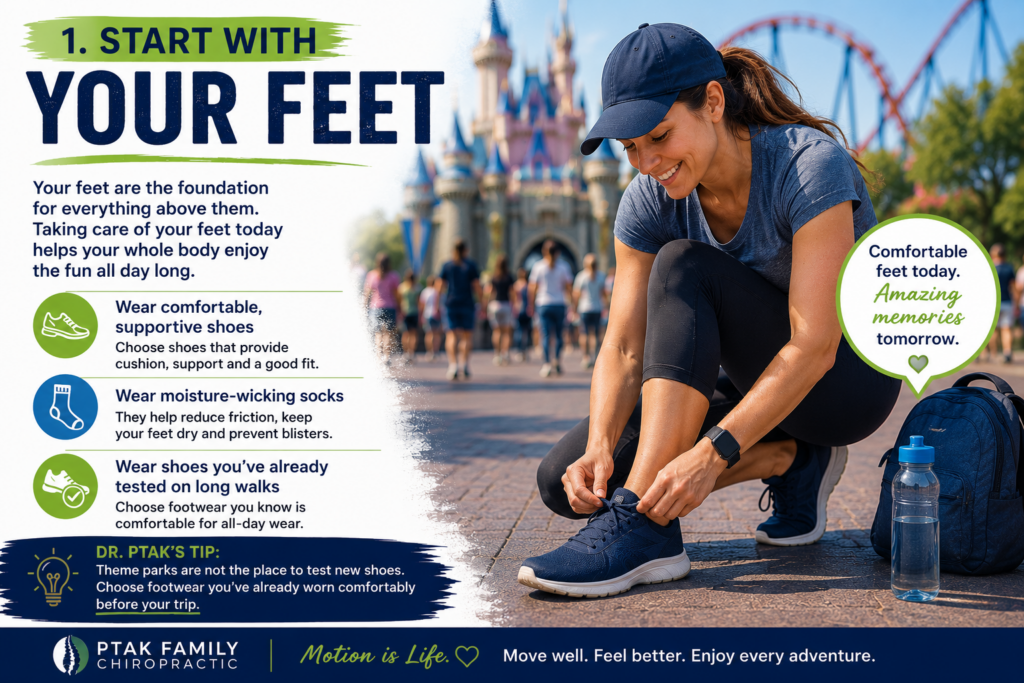
1. Start With Your Feet
Your feet are the foundation for everything above them.
If your feet become fatigued, eventually your knees, hips, and back often begin to suffer as well.
One of the biggest mistakes people make is wearing brand-new shoes to a theme park.
A theme park is not the place to break in footwear.
Choose shoes that:
Are comfortable
Provide support
Have already been broken in
Fit properly
Dr. Ptak’s Tip:
Moisture-wicking socks can help prevent blisters and keep your feet more comfortable throughout the day.
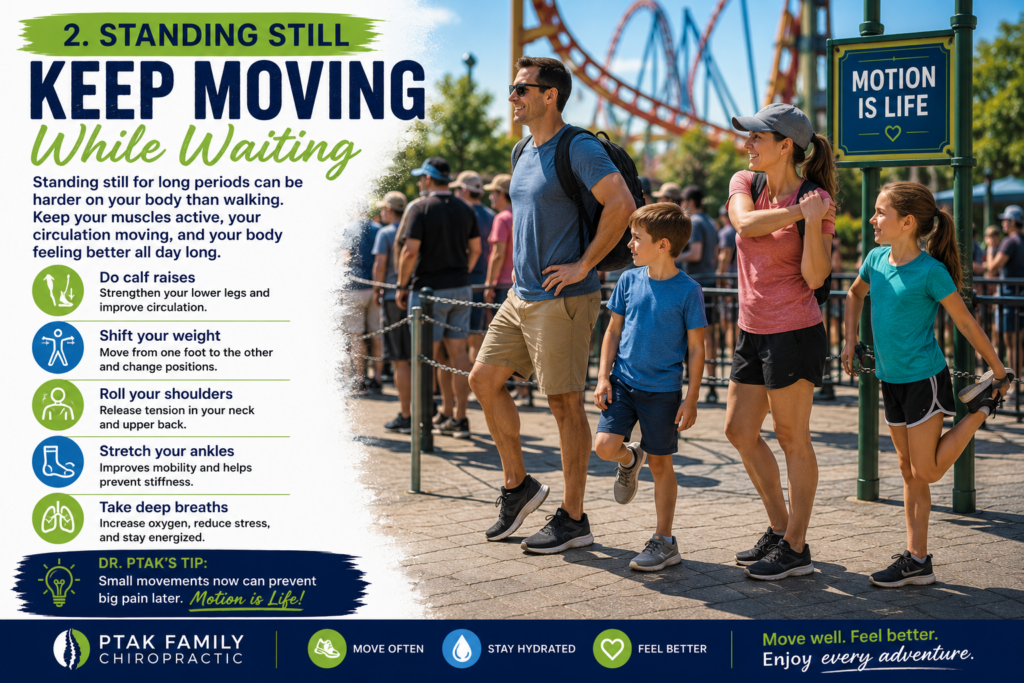
2. Standing Still Can Be Worse Than Walking
Most people assume the walking causes their pain.
Surprisingly, standing still for long periods is often harder on the body than walking.
When we stop moving:
Muscles tighten
Circulation slows
Joints stiffen
Fatigue increases
While standing in line:
Do calf raises
Shift your weight
Roll your shoulders
Stretch your ankles
Take several deep breaths
Motion is Life.
Small movements can make a big difference by the end of the day.
3. Lighten the Load
Backpacks have a way of getting heavier as the day goes on.
Many families carry:
Water bottles
Sweatshirts
Chargers
Snacks
Souvenirs
Electronics
Whenever possible:
Pack only what you need
Share the load
Alternate shoulders
Use lockers when available
Your neck and back will appreciate it.
Dr. Ptak’s Tip:
The lightest backpack is often the smartest backpack.
4. Stay Hydrated Before You’re Thirsty
Heat, excitement, walking, and long hours outdoors increase your body’s need for water.
Many people wait until they’re thirsty before drinking.
Unfortunately, thirst is often a late sign.
Try to drink water consistently throughout the day.
Watch for signs of dehydration:
Headaches
Fatigue
Muscle cramps
Dizziness
Reduced energy
For a deeper discussion, be sure to read our Summer Hydration Guide and Hydrating Foods Checklist.
Dr. Ptak’s Tip:
Drink before you’re thirsty.
5. Look Up and Enjoy the Day
Many visitors spend hours looking down at:
Phones
Park maps
Text messages
Ride wait times
The farther the head moves forward, the more stress is placed on the muscles and joints of the neck.
Instead:
Bring your phone up toward eye level
Take posture breaks
Look up and enjoy your surroundings
The attraction is in front of you—not on your phone.
6. Protect Your Back While Carrying Children
Every parent knows what happens around mid-afternoon.
The children who were sprinting through the park at 9 a.m. suddenly become exhausted.
Now someone has to carry them.
When lifting children:
Bend your knees
Keep them close to your body
Avoid twisting
Alternate sides frequently
Dr. Ptak’s Tip:
If you have a stroller, use it longer than you think you’ll need it.
Your back may thank you.
7. Recovery Starts Before Bed
Most people finish a theme park day and immediately collapse into bed.
Instead, spend five minutes helping your body recover.
Try:
A short walk
Gentle stretching
Extra hydration
Deep breathing
A warm shower
The better you recover tonight, the better you’ll feel tomorrow.
Dr. Ptak’s Theme Park Survival Checklist
Before You Leave
✅ Wear supportive shoes
✅ Wear moisture-wicking socks
✅ Stretch for five minutes
✅ Pack light
✅ Bring water
✅ Apply sunscreen
During The Day
✅ Keep moving in line
✅ Stay hydrated
✅ Alternate shoulders when carrying bags
✅ Keep your phone at eye level
✅ Take posture breaks
Before Bed
✅ Walk for five minutes
✅ Stretch your calves and hips
✅ Drink water
✅ Get a good night’s sleep
Dr. Ptak’s Theme Park Challenge
Every time you stop in line:
✅ Do 10 calf raises
✅ Roll your shoulders
✅ Stretch your ankles
✅ Take 5 deep breaths
These tiny habits can make a remarkable difference over the course of a long day.
Final Thoughts
Theme parks are supposed to create memories.
Not back pain.
Not neck pain.
Not sore feet.
A little preparation, movement, hydration, and recovery can help keep your body functioning at its best throughout your summer adventures.
Protect your feet.
Stay hydrated.
Keep moving.
Recover well.
And most importantly, enjoy the day.
Remember:
Motion is Life.
The more you move, the better your body tends to feel.
Ptak Family Chiropractic
Santa Monica, California
Helping individuals and families improve their health through movement, posture, spinal health, and nervous system function.
Why Human Health Depends on How Well You Adapt to Gravity
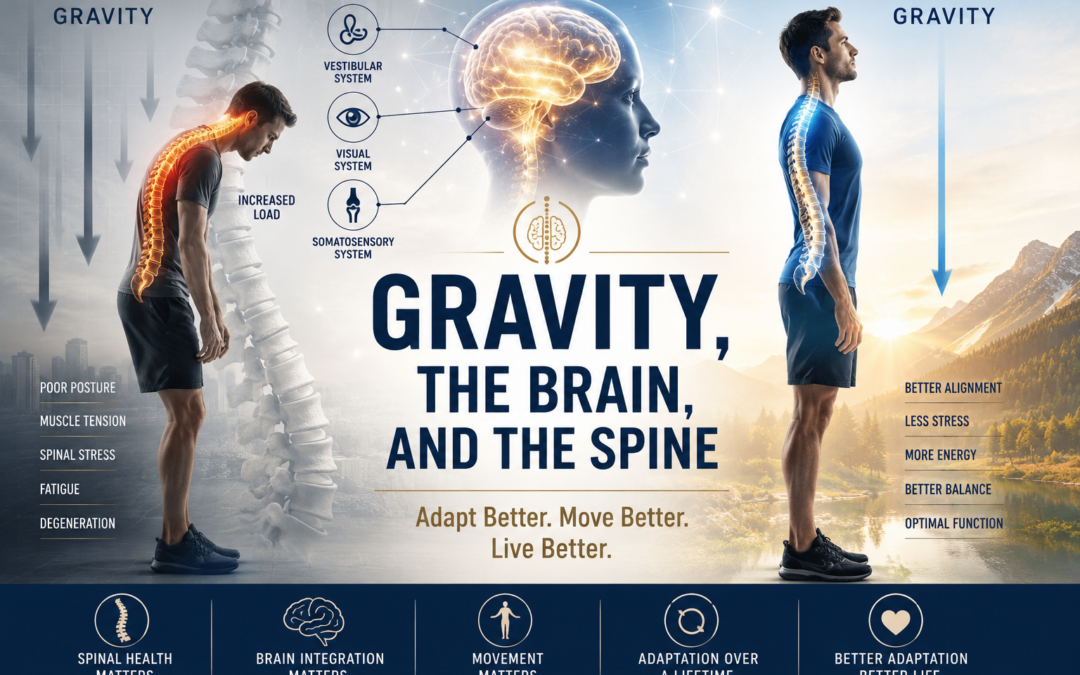
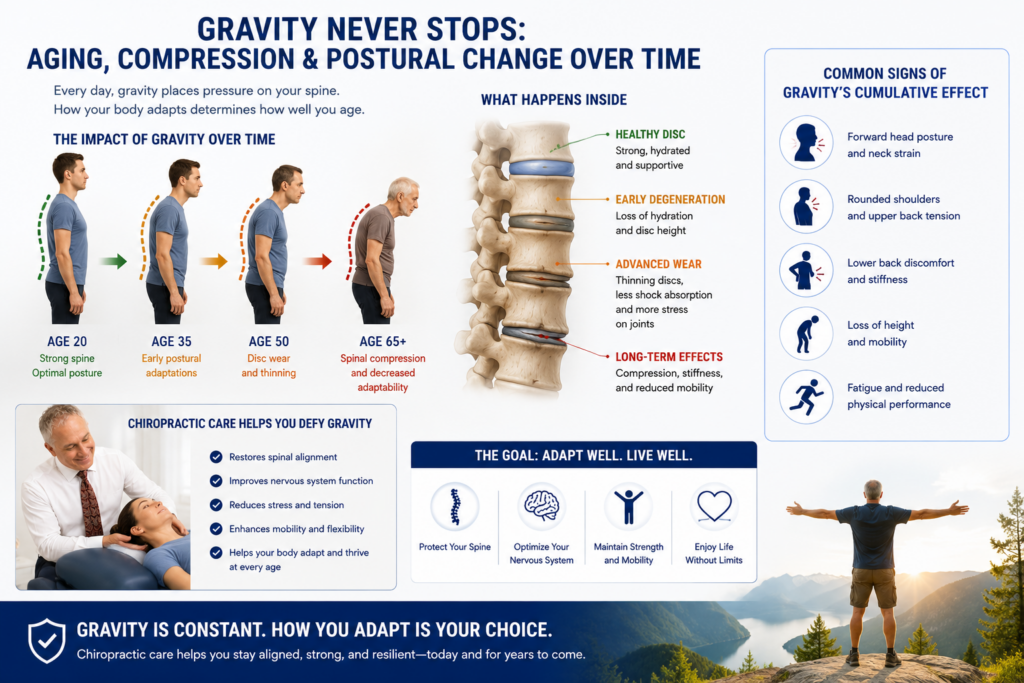
Gravity is the most constant physical stress your body will ever face.
It never turns off.
Every second of every day, gravity is compressing your spine, loading your joints, challenging your balance, and forcing your nervous system to constantly adapt.
Most people never think about it.
But gravity influences posture, movement, balance, energy, coordination, spinal health, brain function, and even the aging process itself.
In many ways, the human body is an anti-gravity machine.
And when the brain and body stop adapting efficiently to gravity, people slowly begin to break down.
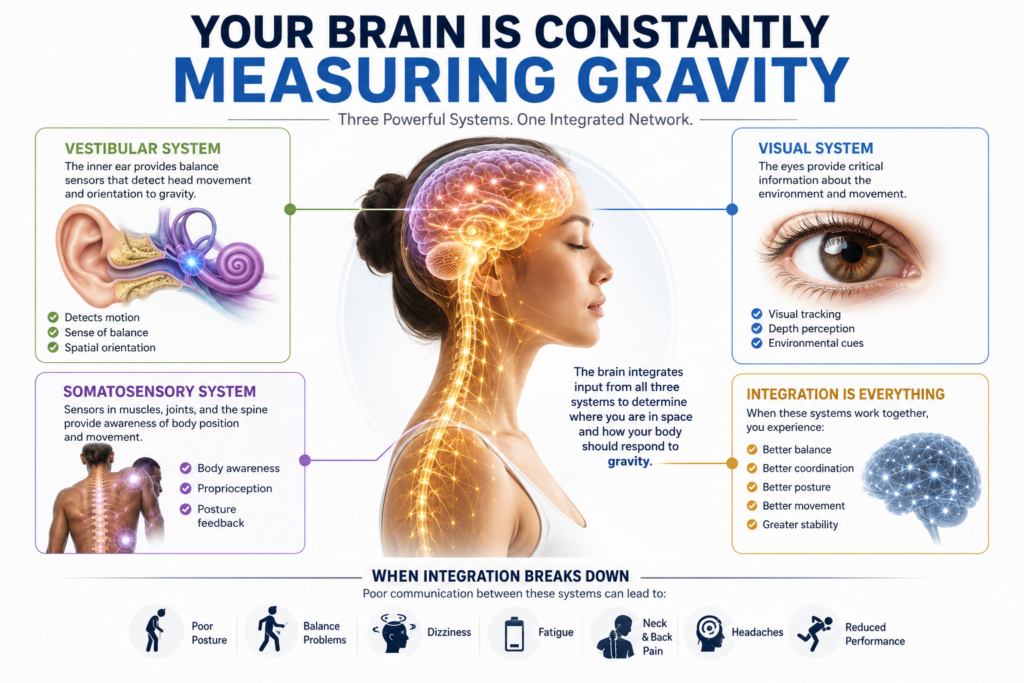
Your Brain Is Constantly Measuring Gravity
Modern neuroscience and functional neurology have shown that the brain continuously monitors:
Head position
Eye movement
Balance
Spatial orientation
Posture
Movement
Muscle tone
Specialized receptors in the inner ears, eyes, muscles, joints, and spine constantly feed information into the brain about where your body is in space relative to gravity.
Functional neurologist Dr. Cedrick Noel has helped popularize the idea that many chronic health and movement problems may involve a poor neurological relationship with gravity itself.
His work focuses heavily on the integration of:
The vestibular system (balance)
The visual system (eyes)
The proprioceptive system (body awareness)
Interestingly, this connects directly with what we discussed in our recent article on brain integration.
The brain is not designed to function in isolated compartments.
True neurological efficiency depends on integration.
The emotional brain, motor brain, sensory brain, visual brain, balance centers, autonomic nervous system, and higher cognitive centers must all communicate together efficiently.
When integration decreases, compensation increases.
And gravity exposes those weaknesses immediately.
Gravity Exposes Neurological Weakness
A well-integrated nervous system handles gravity efficiently.
A poorly integrated nervous system often compensates through:
Poor posture
Muscle tension
Fatigue
Balance issues
Coordination problems
Chronic stress patterns
Altered movement
Increased wear and tear on the spine and joints
Many people are unknowingly fighting gravity all day long.
The body begins using excessive energy simply trying to stay upright and stable.
This is one reason patients often report feeling:
Lighter
Taller
More balanced
More energized
after chiropractic adjustments.
The body is functioning more efficiently against gravitational stress.
Chiropractic and the Anti-Gravity System
Your spine is the central support structure of your anti-gravity system.
When spinal motion, posture, and neurological communication become altered, gravity no longer distributes evenly through the body.
Over time this may contribute to:
Forward head posture
Disc compression
Degeneration
Joint stress
Reduced mobility
Muscle imbalance
Chronic tension
Fatigue
Chiropractic care helps restore:
Motion
Spinal mechanics
Neurological communication
Postural efficiency
Movement patterns
Brain-body integration
This is not simply about pain relief.
It is about improving the body’s ability to adapt to the constant physical force acting upon it every second of every day.
Gravity and Aging
One of the clearest signs of aging is compression.
People literally collapse forward over time.
Disc spaces narrow. Posture changes. Balance declines. Movement decreases.
Gravity never stops applying force to the body.
The healthier and more integrated the nervous system remains, the better the body can resist long-term breakdown.
Children are adapting to gravity too.
From infancy through adolescence, the nervous system is constantly learning balance, coordination, posture, movement, and spatial awareness.
Movement, play, crawling, climbing, running, jumping, sports, and physical activity all help children build stronger neurological and structural relationships with gravity.
Healthy movement early in life helps create healthier posture, better coordination, stronger balance systems, and greater resilience later in life.
Final Thoughts
You cannot escape gravity.
But you can improve how your brain, spine, and nervous system adapt to it.
At Ptak Family Chiropractic, we focus on improving spinal function, posture, neurological integration, and movement efficiency so the body can better handle the physical demands of life.
Because health is not simply about avoiding pain.
It is about adapting well to gravity, stress, movement, and life itself.
A strong spine. A resilient nervous system. Better adaptation. Better movement. Better life.
References
Kandel ER, Schwartz JH, Jessell TM. Principles of Neural Science. McGraw-Hill Education.
Panjabi MM. The Stabilizing System of the Spine. Journal of Spinal Disorders.
Plaza-Manzano G, et al. Changes in biochemical markers of pain perception and stress response after spinal manipulation. Journal of Orthopaedic & Sports Physical Therapy. 2014.
Carrick Institute — Educational material on vestibular integration, proprioception, posture, and neurological rehabilitation.
Dr. Cedrick Noel — Concepts involving neurological adaptation to gravity, vestibular integration, and postural orientation.
National Institute of Neurological Disorders and Stroke — Information regarding balance systems, proprioception, vestibular processing, and neurological coordination.
American Posture Institute — Educational material on posture, biomechanics, and spinal loading.
Research literature on vestibular-visual-somatosensory integration and postural control in human movement science.
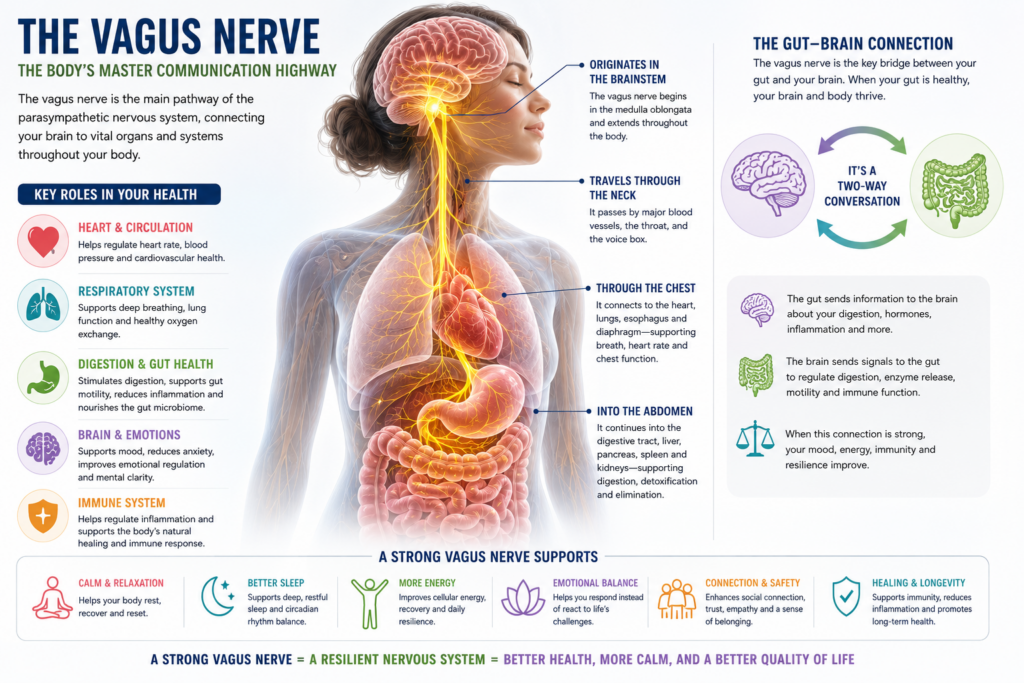
The Vagus Nerve The Hidden Highway to Healing, Calm, Connection, and Human Potential
There may be no structure in the human body more important — and more misunderstood — than the vagus nerve.
Most people have never heard of it.
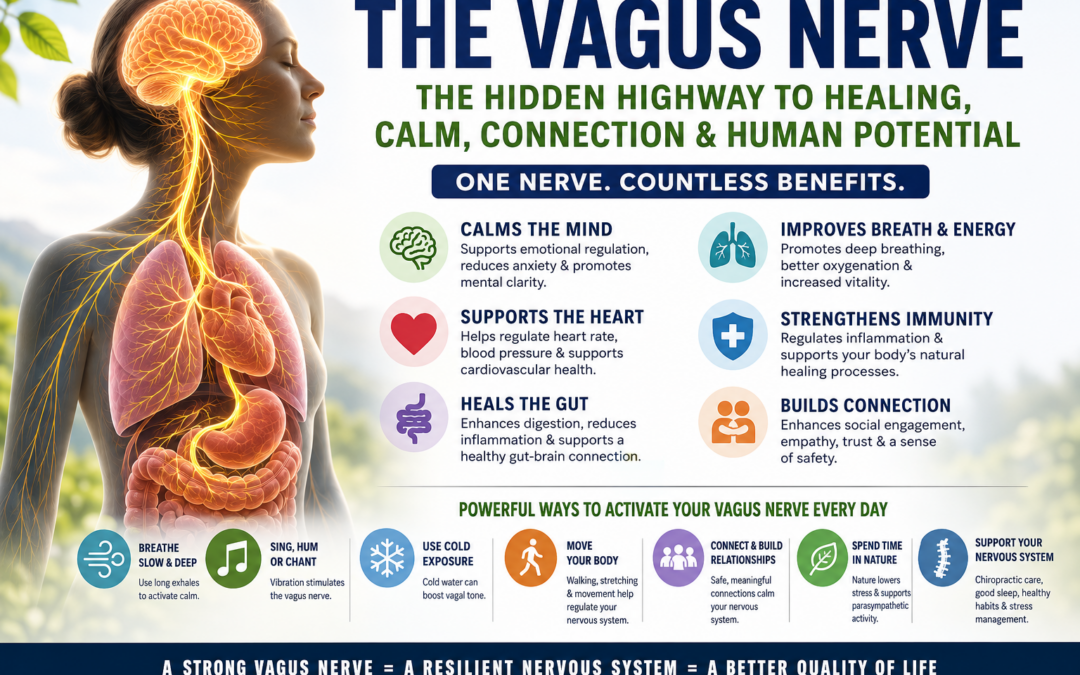
Yet this extraordinary neurological pathway influences nearly every major system in your body including your heart, lungs, digestion, immune system, inflammation levels, sleep, hormones, emotional state, resilience, recovery, healing ability, and overall quality of life.
The vagus nerve is not simply “a nerve.” It is one of the master communication highways between your brain and body.
It is one of the primary regulators of the parasympathetic nervous system — the part of your nervous system responsible for healing, recovery, restoration, repair, emotional regulation, adaptability, and resilience.
In many ways, the quality of your life is deeply connected to the quality of your vagal function.
And in today’s modern world, millions of people are unknowingly living in a state where this system is chronically suppressed.
They are surviving.
But they are not truly recovering.
Not truly regulating.
Not truly healing.
Not truly thriving.
Understanding the vagus nerve changes how you understand stress, health, inflammation, healing, emotions, and even the human experience itself.
What Is the Vagus Nerve?
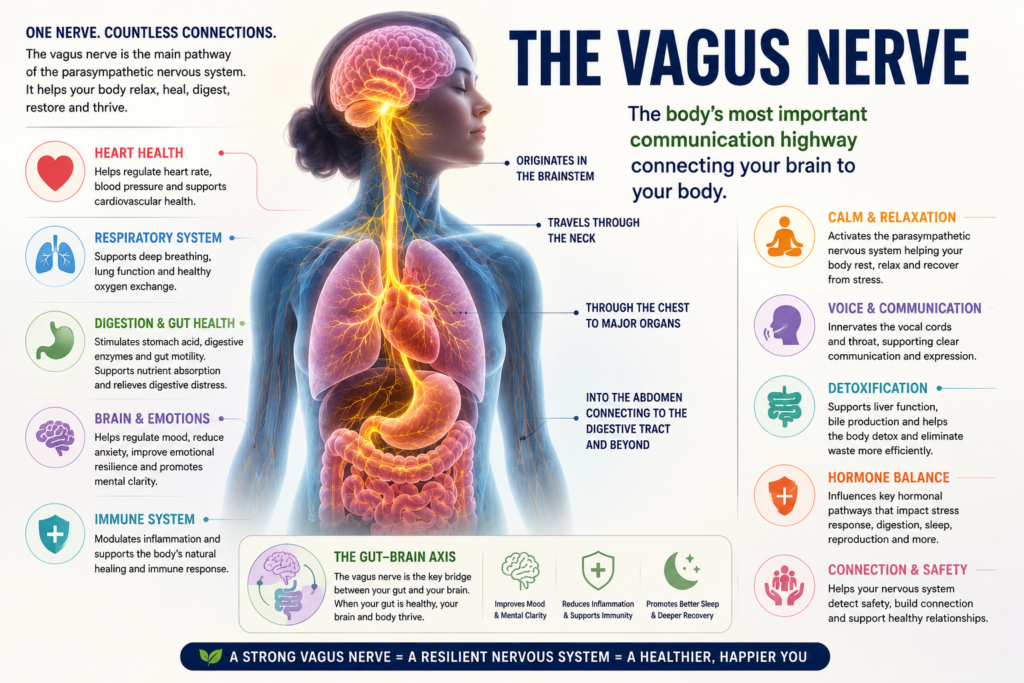
The word vagus comes from the Latin word meaning “wandering,” which is fitting because the vagus nerve travels farther throughout the body than any other cranial nerve.
The vagus nerve begins in the brainstem and travels through the neck into the chest and abdomen, connecting to major organs and systems along the way.
It communicates with the:
Heart
Lungs
Diaphragm
Digestive tract
Liver
Pancreas
Spleen
Vocal cords
Throat
Facial muscles
Immune system
Gut microbiome
The vagus nerve is one of the primary communication highways between your brain and body.
Remarkably, nearly 80% of vagal nerve fibers are sensory, meaning most communication is actually traveling from the body back up to the brain.
Your brain is constantly listening to your body.
Every breath.
Every heartbeat.
Every digestive signal.
Every inflammatory response.
Every muscular tension pattern.
Every emotional state.
The vagus nerve helps your brain determine whether your body feels safe… or threatened.
And this matters far more than most people realize.
The Parasympathetic Nervous System
Your Healing and Recovery System
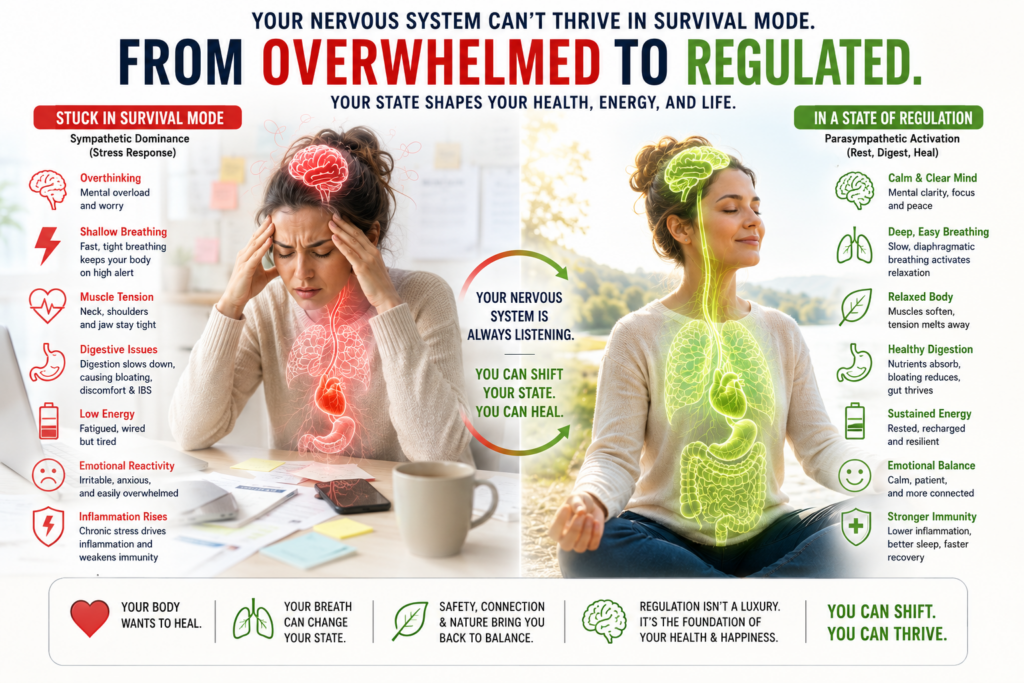
The autonomic nervous system has two primary branches:
The sympathetic nervous system, commonly known as fight-or-flight.
And the parasympathetic nervous system, often referred to as rest, digest, heal, regulate, and recover.
The vagus nerve is one of the primary regulators of the parasympathetic nervous system.
When this system activates appropriately:
Heart rate slows
Breathing deepens
Digestion improves
Muscles relax
Blood pressure normalizes
Inflammation decreases
Hormonal balance improves
Sleep quality improves
Emotional regulation improves
Healing and recovery accelerate
This is where restoration happens.
This is where healing happens.
This is where the body repairs itself.
The problem is that many people rarely enter this state deeply anymore.
The Modern Nervous System Crisis
One of the greatest hidden epidemics in modern society is nervous system dysregulation.
People are exhausted but wired.
Tired but unable to relax.
Overstimulated but emotionally disconnected.
Chronically tense but unaware of it.
Living with elevated stress hormones for years.
The body begins interpreting everyday life as danger.
Emails.
Traffic.
Financial pressure.
Social media.
Poor sleep.
Inflammation.
Technology overload.
Emotional stress.
Poor posture.
Pain.
Chronic uncertainty.
Eventually the nervous system forgets how to fully relax.
And when the body no longer feels safe internally, physiology changes.
Digestion changes.
Breathing changes.
Hormones change.
Inflammation changes.
Muscle tone changes.
Pain perception changes.
Even emotional patterns and resilience may shift.
Many chronic conditions may involve autonomic nervous system imbalance including:
Anxiety
Chronic stress
Digestive disorders
IBS
Tension headaches
Migraines
Chronic inflammation
Sleep disturbances
Burnout
Fatigue
Brain fog
TMJ dysfunction
Fibromyalgia
High blood pressure
Emotional dysregulation
The body was never designed to remain in survival mode continuously.
Vagal Tone
The Health of Your Nervous System
You will often hear the phrase “vagal tone.”
Vagal tone refers to the functional health and adaptability of the vagus nerve.
Healthy vagal tone means your body can move fluidly between activation and recovery.
Stress occurs.
Then the body recovers.
Challenge occurs.
Then regulation returns.
Poor vagal tone may make it difficult for the body to shift out of stress physiology.
The nervous system gets “stuck.”
This may show up as:
Chronic tension
Shallow breathing
Anxiety
Poor digestion
Sleep problems
Emotional reactivity
Fatigue
Elevated resting heart rate
Poor stress tolerance
Chronic inflammation
A healthy vagus nerve does not mean life becomes stress-free.
It means your body becomes more adaptable to stress.
And adaptability may be one of the greatest predictors of long-term health.
The Gut-Brain Connection
One of the most fascinating roles of the vagus nerve is its involvement in the gut-brain connection.
Your gut and brain are constantly communicating.
This is why emotional stress can affect digestion.
And why digestive dysfunction can affect mood and emotions.
The vagus nerve helps regulate:
Stomach acid production
Digestive enzyme release
Intestinal motility
Gut inflammation
Microbiome communication
This may help explain why chronic stress frequently contributes to:
Bloating
Constipation
Acid reflux
IBS
Nausea
Digestive discomfort
The nervous system and digestive system are deeply interconnected.
A body trapped in stress physiology often cannot digest optimally.
The Vagus Nerve and Inflammation
The vagus nerve also plays a major role in regulating inflammation.
Researchers often refer to this as the inflammatory reflex.
Healthy vagal signaling may help modulate excessive inflammatory responses throughout the body.
Chronic stress and autonomic imbalance may contribute to persistent low-grade inflammation.
And chronic inflammation has been associated with:
Cardiovascular disease
Metabolic dysfunction
Autoimmune conditions
Chronic pain
Neurodegenerative disorders
Mood disorders
The nervous system and immune system are in constant communication.
Health is never isolated to one single system.
The Vagus Nerve and Human Emotion
One of the most profound aspects of the vagus nerve is its relationship to emotional regulation and human connection.
The vagus nerve influences:
Facial expression
Vocal tone
Eye contact
Emotional safety
Calm presence
Social engagement
Compassion
Trust
Connection
When the nervous system feels safe, humans connect more easily.
When the nervous system feels threatened, humans protect.
Many emotional responses are not simply psychological.
They are physiological.
Sometimes people do not need to “try harder.”
Sometimes their nervous system simply needs support returning to regulation.
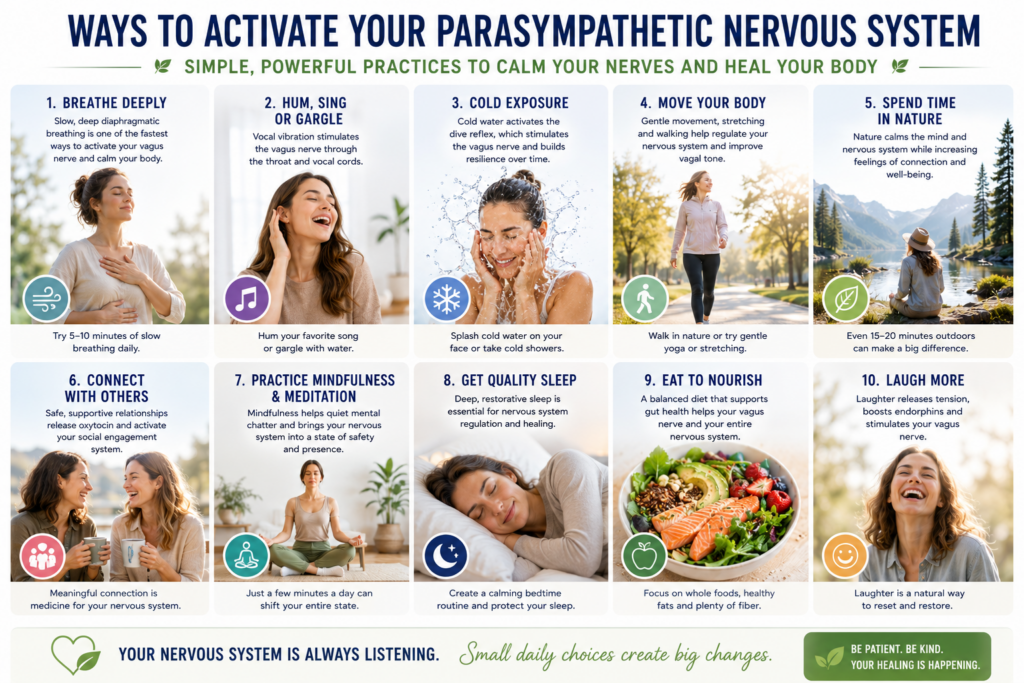
How to Activate the Vagus Nerve Naturally
One of the most empowering realities about the vagus nerve is that it can be influenced intentionally.
Small daily habits can profoundly shape nervous system regulation over time.
Deep Diaphragmatic Breathing
Slow breathing is one of the fastest ways to stimulate parasympathetic activity.
Especially:
Slow exhalations
Nasal breathing
Belly breathing
Rhythmic breathing patterns
Fast shallow chest breathing often signals stress.
Slow diaphragmatic breathing signals safety.
Humming, Chanting, Singing, and Prayer
The vagus nerve connects to the throat and vocal cords.
This may explain why humming, chanting, singing, prayer, and vocal vibration often feel calming and grounding.
Many ancient healing traditions understood this long before modern neuroscience.
Cold Exposure
Cold exposure may stimulate vagal pathways and improve autonomic adaptability.
Examples include:
Cold face immersion
Cold showers
Contrast therapy
Cold plunges
The goal is not punishment.
The goal is adaptability and resilience.
Movement and Exercise
The human body was designed for movement.
Walking, stretching, mobility work, rhythmic exercise, yoga, dance, and nature walks may all help regulate the nervous system.
Movement helps discharge stress physiology.
Sedentary lifestyles often reinforce nervous system dysregulation.
Nature and Sunlight
Natural environments often help shift the nervous system toward parasympathetic dominance.
Fresh air, sunlight, reduced stimulation, and rhythmic movement in nature may help calm the nervous system profoundly.
Many people notice they breathe differently near the ocean, in forests, or under open skies.
The nervous system recognizes environmental safety cues.
Human Connection
One of the most overlooked vagus nerve activators is healthy human connection.
Feeling seen.
Feeling heard.
Feeling understood.
Feeling safe.
Feeling loved.
Supportive relationships can regulate physiology.
Chronic conflict and isolation can dysregulate physiology.
Humans are biologically wired for connection.
Chiropractic Care and Nervous System Regulation
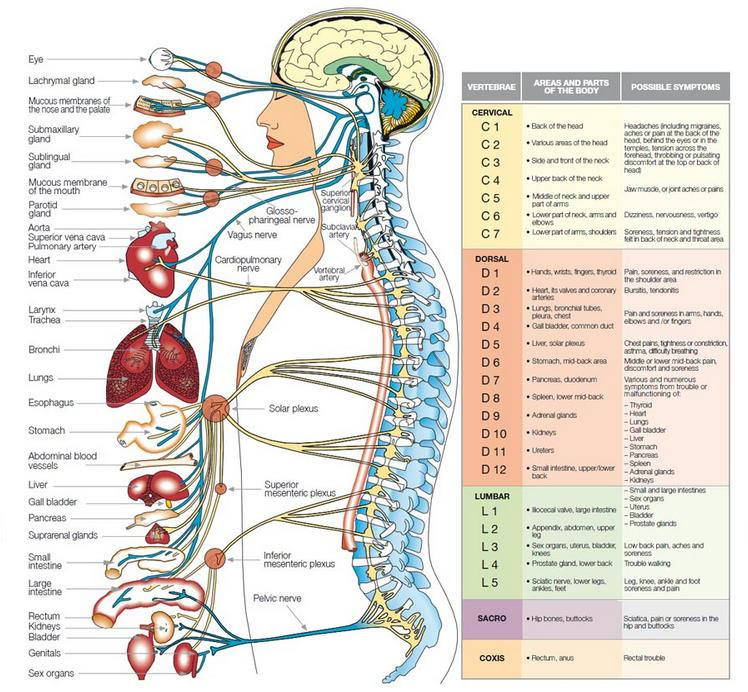
The spine and nervous system are intimately connected.
Mechanical stress, spinal dysfunction, postural distortion, restricted motion, muscle tension, and upper cervical imbalance may all influence nervous system physiology.
Particularly important is the upper cervical region near the brainstem where autonomic regulation is heavily coordinated.
Chiropractic care is not simply about pain relief.
It is about optimizing nervous system function.
Improving motion.
Reducing mechanical stress.
Enhancing neurological communication.
Supporting adaptability and regulation.
Many patients report improvements not only in pain, but also in:
Sleep
Digestion
Stress tolerance
Breathing
Emotional calmness
Recovery
Energy levels
While chiropractic care is not a direct “vagus nerve treatment,” optimizing spinal and nervous system function may profoundly influence parasympathetic balance and nervous system regulation.
Sleep and the Nervous System
Sleep is one of the body’s greatest parasympathetic healing states.
Poor sleep disrupts autonomic regulation.
And autonomic dysregulation disrupts sleep.
This creates a vicious cycle.
Supporting vagal function often improves sleep quality.
And improving sleep often improves nervous system regulation.
Everything is connected.
Trauma, Stress, and the Body
One of the deepest truths about the nervous system is this:
The body remembers.
Past trauma, chronic stress, emotional overwhelm, physical injury, and unresolved tension patterns may influence autonomic function for years.
Sometimes healing requires more than positive thinking.
Sometimes the nervous system itself needs support.
This may involve:
Breathwork
Meditation
Chiropractic care
Movement
Therapy
Somatic work
Prayer
Community
Nervous system retraining
Mindfulness practices
Healing is not weakness.
Rest is not weakness.
Regulation is not weakness.
The body was designed to heal when given the opportunity.
The Ultimate Goal Is Not Relaxation
It Is Adaptability
The healthiest nervous systems are not permanently calm.
They are adaptable.
Able to rise to challenge when necessary.
Able to recover afterward.
Able to transition fluidly between activation and restoration.
This is resilience.
This is regulation.
This is health.
Final Thoughts
Your Nervous System Is Always Listening
Every thought.
Every breath.
Every posture.
Every relationship.
Every stress.
Every environment.
Every habit.
Your nervous system is constantly interpreting the world around you.
The vagus nerve helps determine whether your body moves toward protection… or healing.
Toward survival… or restoration.
Toward exhaustion… or vitality.
The goal is not to eliminate stress completely.
The goal is to create a nervous system capable of recovery.
A nervous system that feels safe enough to heal.
A nervous system adaptable enough to thrive.
A nervous system connected enough to fully experience life.
Because perhaps the greatest human experience is not simply being alive.
It is feeling regulated, connected, resilient, present, and capable of healing from within.
And the vagus nerve may be one of the most important gateways to that experience.
The question is:
What signals are you giving it every day?
If you are ready to support your nervous system, improve adaptability, and help your body move toward healing instead of survival, we would be honored to help.
Ptak Family Chiropractic 3122 Santa Monica Blvd. Suite 102 Santa Monica, CA 90404 (310) 473-7991
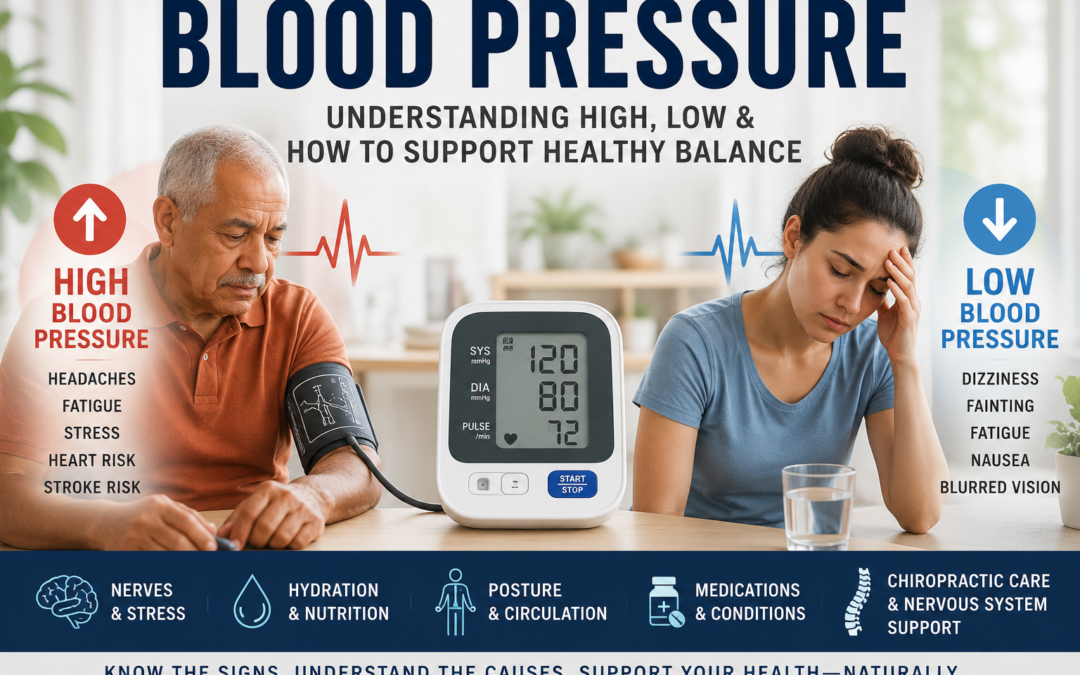
What Most People Never Hear About Stress, the Vagus Nerve, the Atlas Bone, and the Nervous System’s Role in Blood Pressure Regulation
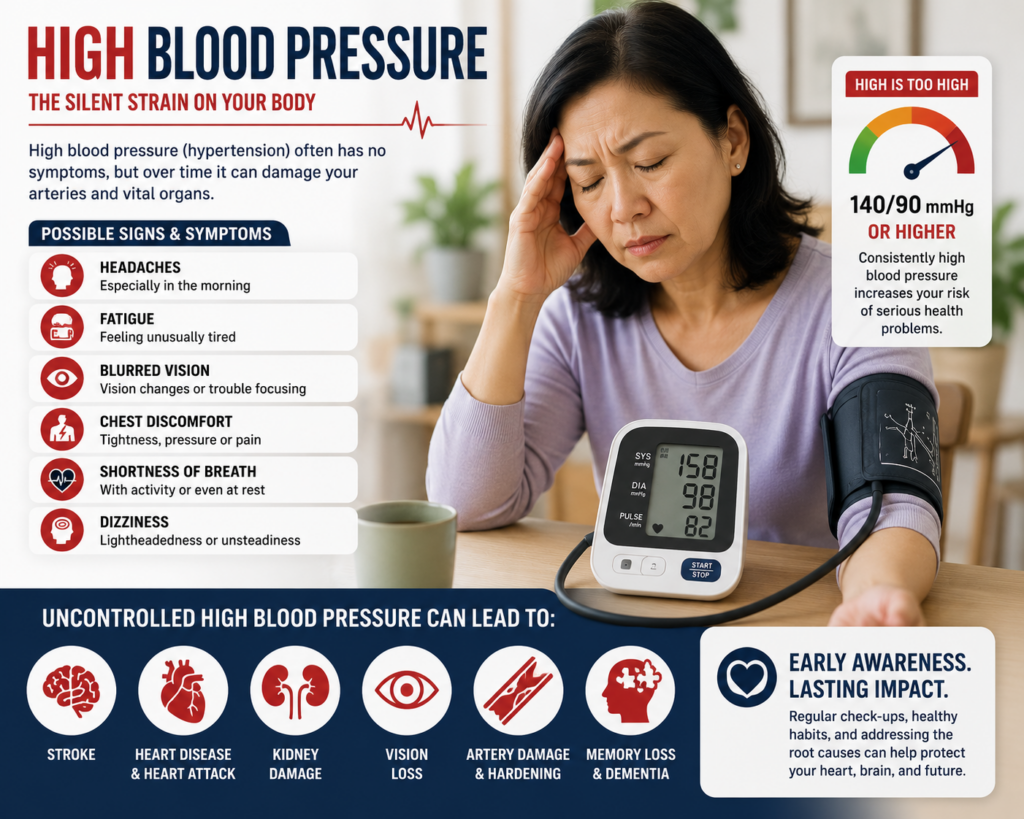
High blood pressure affects nearly half of all adults in the United States.
Low blood pressure affects millions more.
Some people feel their heart racing constantly. Others feel dizzy when they stand. Some battle headaches, fatigue, anxiety, brain fog, chest pressure, or chronic stress.
Yet despite how common blood pressure problems have become, most conversations focus almost entirely on:
salt
medications
age
weight
genetics
And while those factors absolutely matter, one major system is often overlooked:
The nervous system.
At Ptak Family Chiropractic, we believe blood pressure is not simply a cardiovascular issue.
It is also a neurological regulation issue.
Because blood pressure is not random.
Your body is constantly regulating circulation through a complex communication network involving:
the brain
brainstem
autonomic nervous system
vagus nerve
blood vessels
hormones
kidneys
stress responses
and the upper cervical spine
When that communication system becomes overwhelmed, stressed, or dysregulated, blood pressure patterns may begin to change.
And that changes the entire conversation.
Blood Pressure Is Controlled by the Nervous System
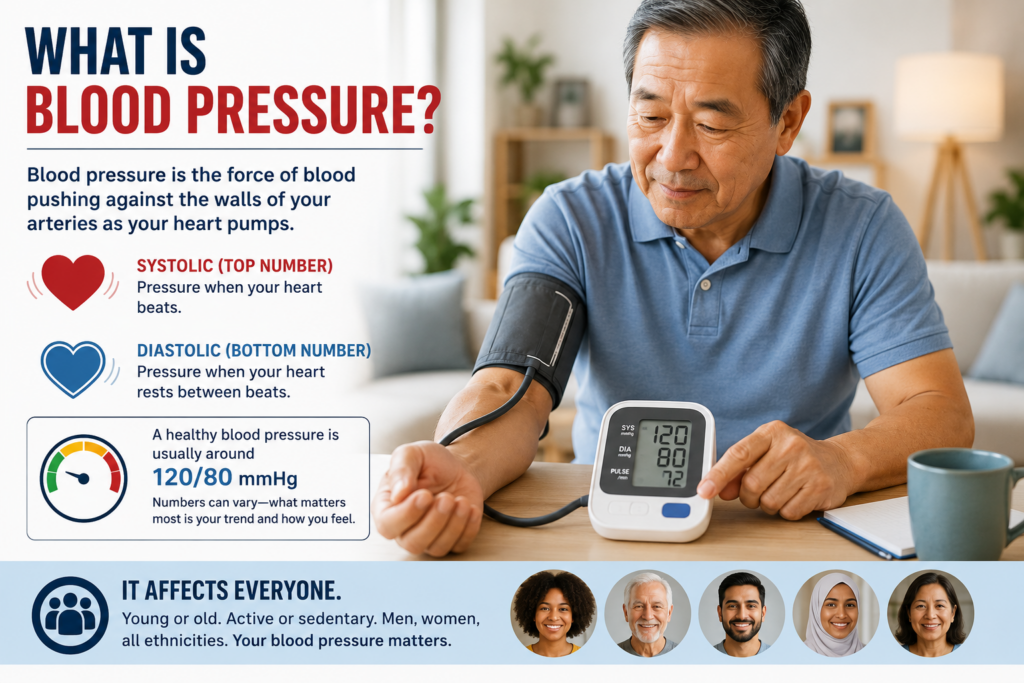
Most people think blood pressure is simply: “Pressure inside the arteries.”
But blood pressure is actually a constantly changing neurological process.
Every second of every day, the brain monitors:
oxygen demand
breathing
stress levels
posture
inflammation
hydration
heart rate
blood vessel tension
emotional stress
survival needs
The nervous system then adjusts the body accordingly.
Your body is constantly adapting.
Blood pressure is one of the ways it adapts.
The Autonomic Nervous System: Your Internal Regulator
The autonomic nervous system controls automatic body functions you do not consciously think about.
This includes:
heart rate
blood pressure
circulation
digestion
breathing
inflammation
recovery
stress responses
It has two major branches.
Sympathetic Nervous System
Often called: “Fight or flight.”
This system:
raises blood pressure
increases heart rate
tightens blood vessels
increases stress hormones
prepares the body for survival
This system is helpful during emergencies.
The problem is: many people now live in chronic sympathetic dominance.
But the deeper question is: Why is the body increasing pressure in the first place?
Possible contributors include:
chronic stress
inflammation
poor sleep
obesity
insulin resistance
smoking
vascular disease
nervous system dysregulation
autonomic imbalance
chronic sympathetic activation
The body is often adapting to stress physiology.
Low Blood Pressure: The Other Side of Dysregulation
Low blood pressure is often overlooked, yet many people struggle with:
dizziness
faintness
fatigue
lightheadedness
cold hands and feet
brain fog
weakness
poor circulation
low energy
Some people feel exhausted standing up quickly.
Others feel chronically depleted.
Possible contributing factors include:
dehydration
autonomic dysfunction
poor vascular tone
chronic fatigue states
hormonal imbalance
vagal dysregulation
nervous system stress
The goal is not simply lowering blood pressure.
The goal is helping the body regulate appropriately.
The Overlooked Connection Between the Atlas (C1) and Blood Pressure
One of the most fascinating areas of blood pressure research involves the upper cervical spine — specifically the atlas vertebra, also known as C1.
The atlas is the top bone in the neck and sits directly beneath the skull.
This region surrounds and protects portions of the brainstem — the area responsible for:
autonomic nervous system regulation
heart rate
vascular tone
stress responses
blood pressure regulation
vagus nerve communication
Because of this close neurological relationship, some researchers and chiropractors have explored whether upper cervical dysfunction may influence blood pressure regulation in certain individuals.
The University of Chicago / Rush Blood Pressure Study
In 2007, researchers led by George Bakris published a groundbreaking pilot study examining upper cervical chiropractic care and blood pressure regulation.
The study used:
randomized design
placebo control
double-blinding
Researchers examined patients with Stage 1 hypertension and atlas misalignment.
The results were remarkable.
Following a specific upper cervical adjustment:
systolic blood pressure dropped significantly
diastolic blood pressure improved significantly
changes persisted for 8 weeks
Researchers stated the reduction was similar to what is often seen with two blood pressure medications used together.
Importantly:
patients were not taking blood pressure medication
no adverse effects were reported
the adjustment specifically targeted the atlas vertebra
This does NOT mean chiropractic cures hypertension.
But it strongly suggests neurological and upper cervical factors may influence blood pressure regulation in certain individuals.
And that changes the conversation dramatically.
How Might the Upper Neck Influence Blood Pressure?
Researchers propose several possible mechanisms:
altered brainstem signaling
autonomic imbalance
muscular tension patterns
stress physiology
altered vascular regulation
vagus nerve influence
postural strain
sympathetic nervous system activation
The exact mechanism is still being researched.
But anatomically and neurologically, the relationship between the upper cervical spine and autonomic regulation is significant.
Why Stress Changes Blood Pressure So Powerfully
Most people underestimate how much chronic stress changes physiology.
Stress alters:
cortisol
inflammation
breathing
vascular tension
heart rate variability
sleep quality
muscular tension
autonomic balance
Over time, the body adapts to survival mode.
This may contribute to:
hypertension
anxiety
fatigue
headaches
sleep disturbances
autonomic dysregulation
This is why many people notice blood pressure worsens during:
emotional stress
burnout
poor sleep
chronic pain
nervous system overload
Blood Pressure and Sleep
Poor sleep is one of the strongest predictors of blood pressure dysregulation.
Sleep deprivation may increase:
cortisol
inflammation
sympathetic activation
vascular tension
Conditions like sleep apnea are strongly associated with hypertension.
The body cannot regulate efficiently without proper recovery.
Blood Pressure and Breathing
Shallow chest breathing may reinforce sympathetic dominance.
Deep diaphragmatic breathing helps stimulate the vagus nerve and parasympathetic nervous system.
Breathing is neurological.
The way you breathe affects:
heart rate
stress hormones
circulation
autonomic balance
blood pressure regulation
Blood Pressure and Posture
Poor posture may contribute to:
muscular tension
shallow breathing
upper cervical stress
nervous system overload
Forward head posture places significant strain on the upper neck and surrounding tissues.
Over time, this may influence:
autonomic regulation
vagal tone
breathing efficiency
stress adaptation
Posture is not just structural.
Posture is neurological.
Blood Pressure and Dehydration
Many people do not realize dehydration may contribute to:
dizziness
blood pressure fluctuations
fatigue
poor circulation
headaches
The body depends on proper hydration for:
blood volume
vascular regulation
cellular communication
circulation efficiency
White Coat Hypertension: When Stress Raises Blood Pressure
Some patients only experience elevated blood pressure in medical settings.
This is known as: White Coat Hypertension.
Why?
Because stress and anxiety directly affect the autonomic nervous system.
The body perceives stress… and physiology changes immediately.
Blood pressure is deeply tied to emotional and neurological states.
Exercises That Help Activate the Parasympathetic Nervous System
One of the most powerful ways to support healthier blood pressure naturally is by improving parasympathetic activation.
The body cannot fully heal while trapped in chronic survival physiology.
1. Diaphragmatic Breathing
Try:
inhale through the nose for 4 seconds
expand the belly
exhale slowly for 6–8 seconds
repeat for 5–10 minutes
Long exhalations stimulate vagal activity and may reduce sympathetic dominance.
2. Humming and Chanting
The vagus nerve connects to vocalization muscles.
Humming, chanting, singing, or prolonged “OM” sounds may help stimulate vagal pathways.
3. Walking
Gentle walking helps:
regulate stress hormones
improve circulation
calm the nervous system
improve heart rate variability
Movement is neurological medicine.
4. Cold Water Facial Stimulation
Cool water on the face may activate portions of the parasympathetic nervous system through the diving reflex.
5. Cervical Mobility and Postural Exercises
Improving:
posture
neck mobility
thoracic movement
breathing mechanics
may reduce stress patterns affecting the upper cervical spine and nervous system.
Why Chiropractic Care and Parasympathetic Exercises Work Together
At Ptak Family Chiropractic, we believe chiropractic care and nervous system exercises complement one another powerfully.
Chiropractic adjustments focus on:
spinal motion
nervous system communication
adaptability
reducing neurological stress
Parasympathetic exercises help reinforce calmer neurological states and improved vagal tone.
Together, the goal is helping the body:
regulate more efficiently
reduce chronic stress physiology
improve circulation
improve recovery
restore autonomic balance
Daily Habits That Influence Blood Pressure
Small daily habits matter enormously.
Helpful habits may include:
proper hydration
consistent sleep
walking
sunlight exposure
stress management
posture awareness
breathing exercises
reducing processed foods
movement throughout the day
nervous system recovery
The body responds to lifestyle patterns over time.
Key Takeaways
Blood pressure is neurologically regulated.
The autonomic nervous system strongly influences circulation.
Chronic stress may drive sympathetic dominance.
The vagus nerve helps regulate recovery and cardiovascular balance.
The upper cervical spine may influence autonomic function.
Chiropractic care may support nervous system regulation in some individuals.
Parasympathetic activation exercises may help improve adaptability and recovery.
Health is not simply chemical — it is neurological.
Frequently Asked Questions About Blood Pressure
Can stress raise blood pressure?
Yes. Chronic stress activates the sympathetic nervous system, which may increase vascular tension and blood pressure.
What is the vagus nerve?
The vagus nerve is a major parasympathetic nerve involved in heart rate, digestion, inflammation, and autonomic regulation.
Can chiropractic help blood pressure?
Some research suggests upper cervical chiropractic care may influence blood pressure regulation in certain individuals.
Can posture affect blood pressure?
Posture may influence breathing, muscular tension, autonomic balance, and upper cervical stress patterns.
Can anxiety raise blood pressure?
Yes. Anxiety activates stress physiology and may temporarily elevate blood pressure.
What causes low blood pressure?
Low blood pressure may involve dehydration, autonomic dysfunction, hormonal issues, or nervous system dysregulation.
Can dehydration affect blood pressure?
Absolutely. Hydration strongly influences blood volume and circulation.
Why does blood pressure rise at night?
Poor sleep, stress physiology, sleep apnea, and autonomic imbalance may contribute.
Is high blood pressure always permanent?
Not always. Lifestyle, stress regulation, sleep, nervous system function, and overall health all influence blood pressure patterns.
Why do I get dizzy when standing up?
This may involve blood pressure regulation, hydration, circulation, or autonomic nervous system responses.
A Different Conversation About Blood Pressure
At Ptak Family Chiropractic, we believe people deserve a broader understanding of how the nervous system influences health.
Because the body is not simply chemical.
It is neurological.
The brain and nervous system coordinate every organ, every blood vessel, every stress response, and every adaptive process within the body.
And when communication improves, function may improve.
Important Medical Disclaimer
High or low blood pressure can be serious and potentially life-threatening.
Patients should never stop medications or alter treatment plans without consulting their physician.
Anyone experiencing symptoms or concerns regarding blood pressure should seek appropriate medical evaluation and monitoring.
Looking for a More Neurologically Focused Approach to Health?
If you are struggling with:
high blood pressure
low blood pressure
dizziness
headaches
chronic stress
poor sleep
fatigue
autonomic imbalance
nervous system overload
schedule a no-charge consultation at Ptak Family Chiropractic to learn more about a neurologically focused approach to health and healing.
Research & References
George Bakris et al. Atlas vertebra realignment and achievement of arterial pressure goal in hypertensive patients: a pilot study. Journal of Human Hypertension. 2007.
University of Chicago Medicine. Special chiropractic adjustment lowers blood pressure among hypertensive patients with misaligned C1.
Stephen W. Porges. The Polyvagal Theory: Neurophysiological Foundations of Emotions, Attachment, Communication, and Self-Regulation.
Bruce S. McEwen. Protective and damaging effects of stress mediators. New England Journal of Medicine. 1998.
Robert M. Sapolsky. Why stress is bad for your brain. Science. 1996.
Patricia M. Lehrer et al. Heart rate variability biofeedback improves autonomic regulation and cardiovascular function.
Julian F. Thayer and Richard D. Lane. The role of vagal function in emotional regulation and cardiovascular health.
Herbert Benson. The relaxation response and cardiovascular regulation.
American Heart Association. Current hypertension guidelines and cardiovascular risk recommendations.
Andrew Huberman et al. Contemporary research discussions involving autonomic regulation, stress physiology, and vagal mechanisms.
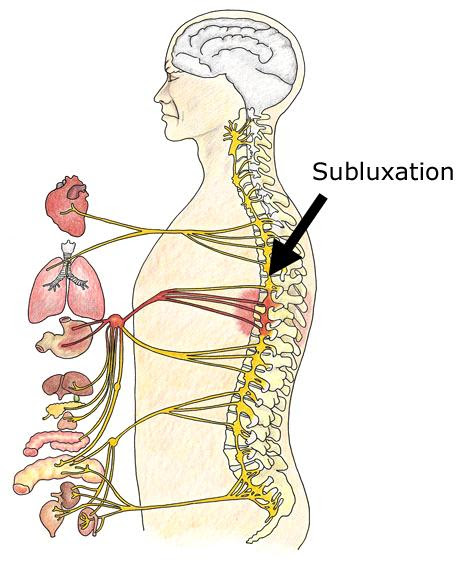
The word “subluxation” is one of the most important concepts in chiropractic.
It is also one of the most misunderstood.
Many people think it simply means a bone out of place.
It doesn’t.
Subluxation is about function.
More specifically, it is about how well your brain and body are communicating.
A Simple Way to Understand Subluxation
At its core, a subluxation is a change in normal spinal motion and function that interferes with communication within the nervous system.
Your brain controls and coordinates everything your body does.
Every organ, every muscle, every cell depends on clear communication through the nervous system.
Your spine protects that system.
When spinal joints are not moving properly, the quality of communication between the brain and body can change.
Not always completely blocked.
But altered.
And when communication is altered, function is altered.
This is where problems begin.
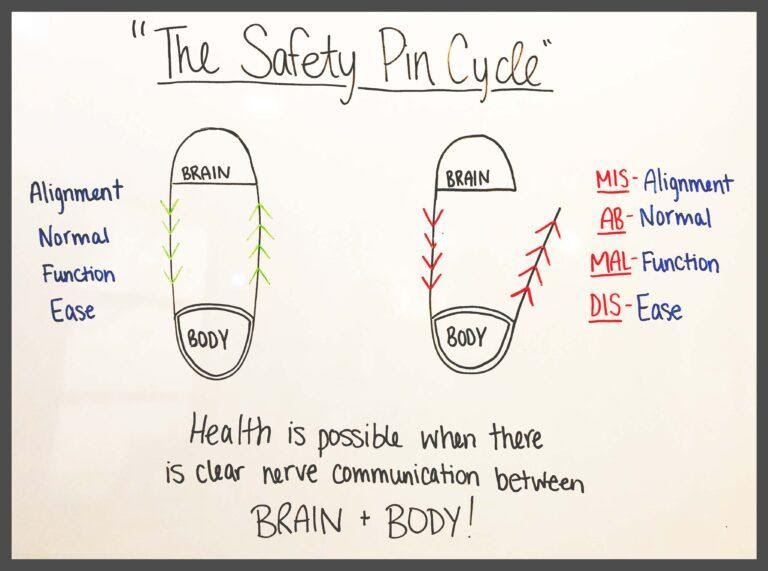
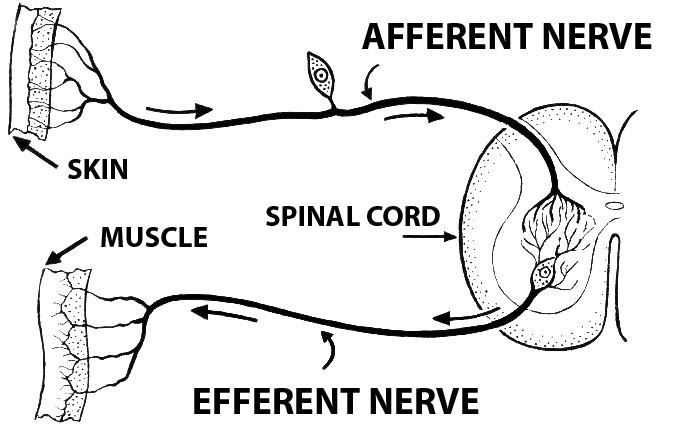
The Safety Pin Cycle: Understanding How the Body Communicates
One of the simplest ways to understand how your body functions is through something called the Safety Pin Cycle.
Think of it as a continuous loop of communication between your body and your brain.
First, your body sends information to your brain. This is afferent input.
Every movement, every position, every sensation is being reported upward through the nervous system.
Your brain then processes that information and sends instructions back to the body. This is efferent output.
That output controls everything from movement and posture to organ function and adaptation.
Input → Processing → Output And then the cycle repeats continuously.
This loop is what allows your body to adapt, heal, and function.
When a subluxation is present, the quality of that input can become distorted, and the output can become less efficient.
The message is still moving.
But it is not as clear.
This is where interference affects the expression of life through the body.
The body is still functioning.
But it may not be functioning at its full potential.
The goal of chiropractic care is to restore clarity to this cycle.
Better input. Better output. Better function.
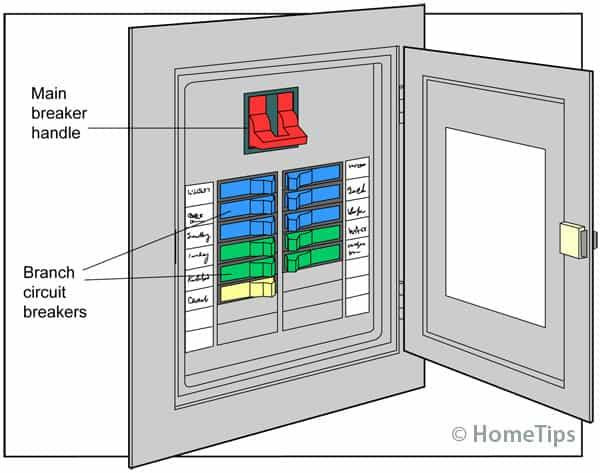
A Simple Analogy: The Fuse Box
Another way to understand this is to think about the electrical system in your home.
Your brain is like the main power source.
Your body is the house.
Your nervous system is the wiring that carries energy and information to every room.
And your spine acts like a fuse box.
When everything is functioning properly, power flows where it needs to go. Lights turn on. Appliances work. The system runs smoothly.
But if a fuse is not functioning properly, the pathway it controls is affected.
A room may go dark. An appliance may stop working. Things may flicker or work inconsistently.
The problem is not the light.
It is not the appliance.
It is the interruption in the system.
In the same way, when a subluxation is present, it affects how information flows through the nervous system.
The result may show up somewhere else in the body.
Pain. Tension. Poor function.
But the source of the issue is not always where the symptom appears.
The goal is not just to fix the symptom.
The goal is to restore the system.
The Original Chiropractic Perspective
Chiropractic began in 1895 with D.D. Palmer, who recognized that the body has an inherent ability to regulate and heal itself.
He described this as innate intelligence, a built-in guidance system that directs the body toward health.
His son, B.J. Palmer, expanded on these ideas and emphasized the central role of the nervous system.
He described three primary causes of interference:
Trauma Toxins Thoughts
All of which can influence how the nervous system functions and contribute to subluxation.
They also distinguished between disease and dis-ease.
Disease is a diagnosable condition.
Dis-ease is a state where the body is not functioning in harmony, even before symptoms appear.
This distinction matters.
Because many people are functioning with interference long before they feel anything at all.
A Modern Understanding of Subluxation
Today, we understand more about how the spine influences the nervous system.
Every joint in your spine contains receptors that send information to your brain about movement and position.
This is called proprioception.
When joints are moving well, they send clear, accurate input.
When they are restricted, that input becomes altered.
Over time, this can affect coordination, posture, balance, and how the brain organizes movement.
This is why a subluxation is not just structural.
It is neurological.
It changes how the brain perceives and controls the body.
Why You May Not Feel a Problem
Pain is often the last sign of dysfunction, not the first.
The body is incredibly adaptive. It can compensate for imbalances for long periods of time before symptoms appear.
By the time you feel pain, the process has often been developing for months or years.
This is why waiting for symptoms is not always the best strategy.
Function matters before symptoms.
What Causes Subluxation
Subluxations are typically the result of accumulated stress over time.
Physical stress Poor posture Repetitive movement Injuries or accidents
Chemical stress Inflammation Poor nutrition
Emotional stress Mental overload Chronic tension
These stresses gradually influence how the body moves and how the nervous system functions.
What Chiropractic Care Does
Chiropractic adjustments are designed to restore motion and improve communication within the nervous system.
When motion improves, the input to the brain improves.
Better input leads to better output.
This can influence how your body moves, adapts, and functions.
The goal is not simply to reduce pain.
The goal is to improve how your body works.
A Different Way to Think About Health
Health is not just the absence of symptoms.
It is the ability of your body to function, adapt, and express itself fully.
When communication within the nervous system is clear, the body has the best opportunity to do that.
When interference is present, that ability is reduced.
This is why subluxation matters.
It is about the expression of life through the body.
Take the First Step Toward Better Function
At Ptak Family Chiropractic, our focus is on helping your body function the way it was designed to.
By improving spinal motion and supporting the nervous system, we help create the conditions for better movement, better adaptability, and a higher level of health.
If you are ready to experience what your body is capable of when it is functioning at its best, we are here to help.
Schedule your consultation today and take the first step toward a healthier, more connected you. (310) 473-7991